Guides
What it costs, who pays, what to look for. Every guide answers its question in the first sentence and names its sources.
Emergency department or health centre: where to go
The hospital emergency department is for situations carrying a risk to life or of serious sequelae, the health centre resolves most acute minor problems, and where signs of severity are present the correct action is to call 112 before travelling anywhere.
The accident report form: the deadlines that count
The European accident statement must be notified to the insurer within seven days of the incident, and signing it confirms agreement on how the accident happened rather than an admission of fault, which is decided afterwards from the boxes ticked and the sketch.

Adding a second driver: cost and consequences
Adding a second driver costs between six and twelve euros a day with a common cap of sixty to ninety euros per rental, and declaring them is essential because damage caused by an undeclared driver removes the damage cover entirely.
Adults only hotels: what they are and what age applies
An adults only establishment restricts access from a minimum age, usually sixteen or eighteen, and that restriction is permissible because it reflects a specialisation of the offer rather than discrimination on a protected personal characteristic.
All inclusive: when it works out cheaper
All inclusive works out when at least two meals a day will be taken at the establishment and there is no plan to explore the island, while anyone intending to travel around ends up paying twice for the same meals.
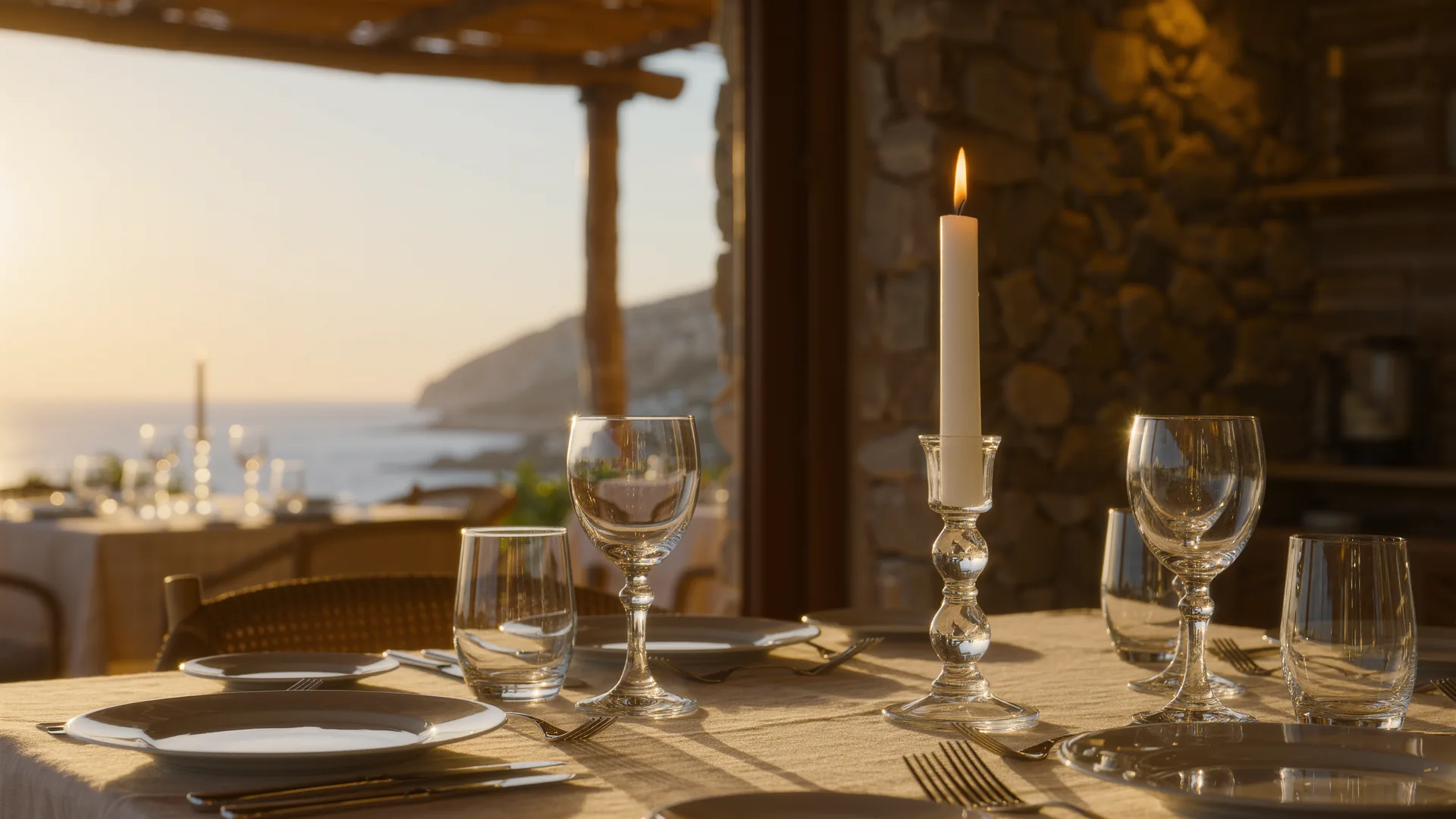
Allergens on the menu: what a restaurant must tell you
Every establishment serving food must inform customers of the presence of fourteen substances causing allergies or intolerances in each dish, and that information must be available and accessible before the order is placed.

Running a boat: the annual cost broken down
The annual maintenance of a recreational boat is built around the lift out with hull cleaning, the engine service and anode replacement, and on a ten metre boat it usually totals between two thousand five hundred and five thousand euros excluding berth and insurance.
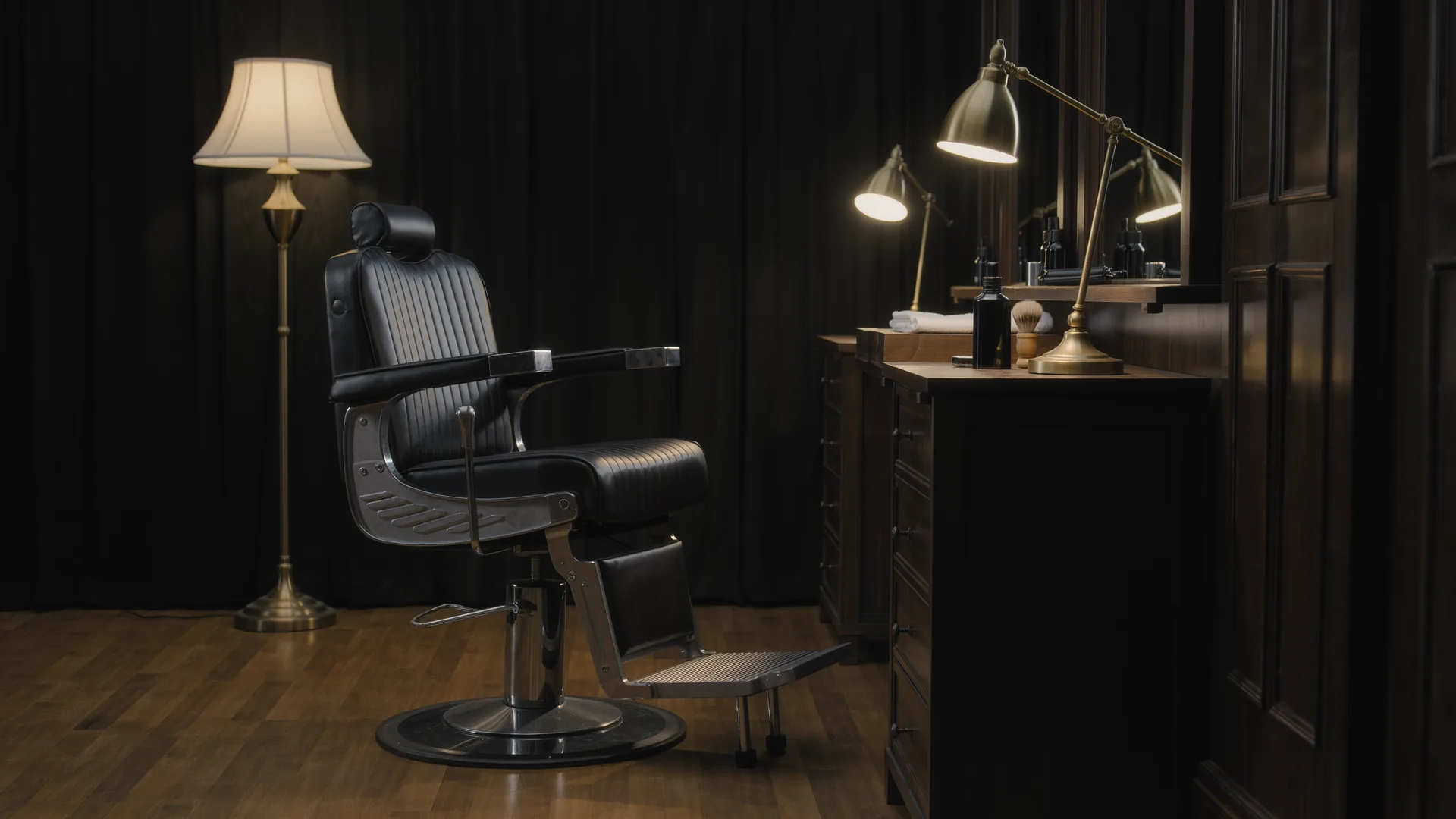
Barber or hairdresser: what each one does
A barber specialises in clipper cutting, fades, beard shaping and razor shaving, while a hairdresser also covers colour, lightening, smoothing and the chemical treatments a classic barbershop does not offer.

Barbershop prices: what each service covers
A barbershop cut costs between fourteen and twenty eight euros and normally includes washing and styling, while beard shaping is billed separately at ten to twenty euros and the combined service carries a discount of three to six euros.

Barbershop hygiene: what the rules require
The rules require every instrument that may come into contact with blood to be single use or sterilised between clients, alongside disinfected surfaces, clean linen for each service and a written cleaning protocol on the premises.

Beard care: the routine and the products
The basic routine comes down to three steps: washing with a specific shampoo two or three times a week, applying oil daily to the skin underneath, and brushing with natural bristle, with balm or wax only becoming useful beyond a certain length.
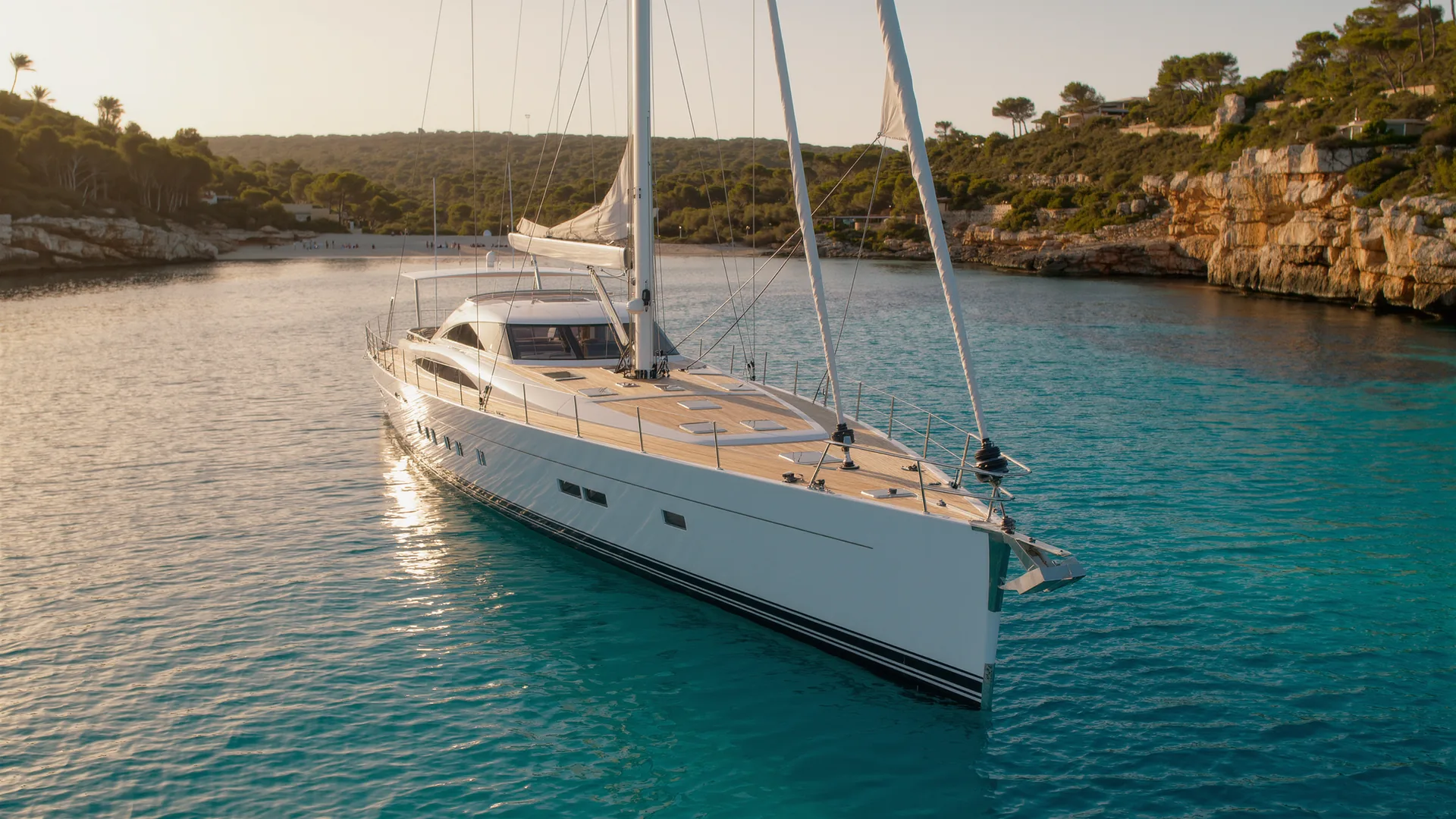
Berth prices in Mallorca
A berth is priced by multiplying length by beam, so a boat ten metres long and three and a half wide occupies thirty five square metres, and the port's daily or annual tariff is applied to that area.
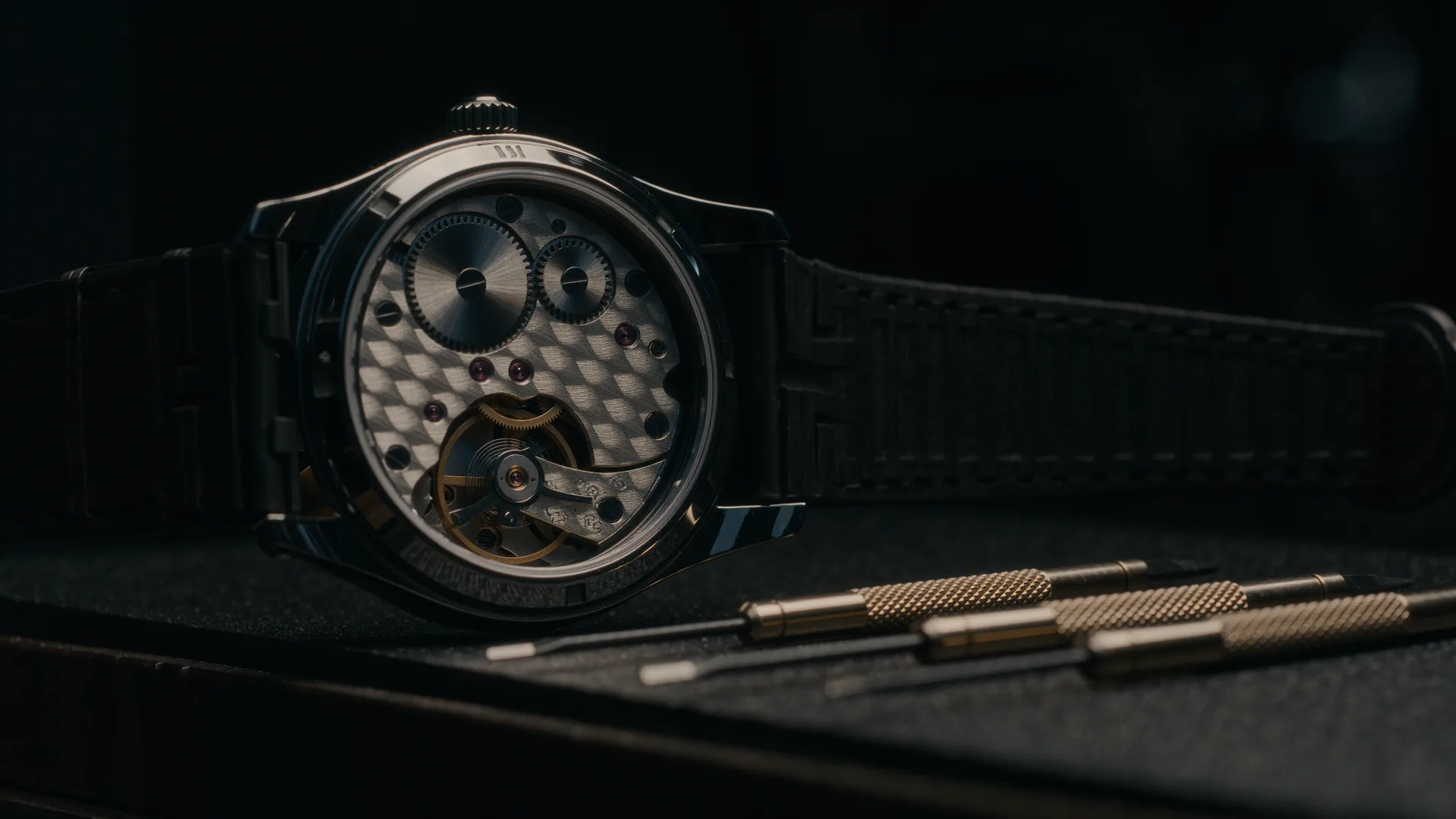
Bespoke jewellery: the timeline and the stages
A bespoke commission takes three to six weeks from approved design to delivery, with a deposit of thirty to fifty per cent and a point of no return at the moment casting begins.
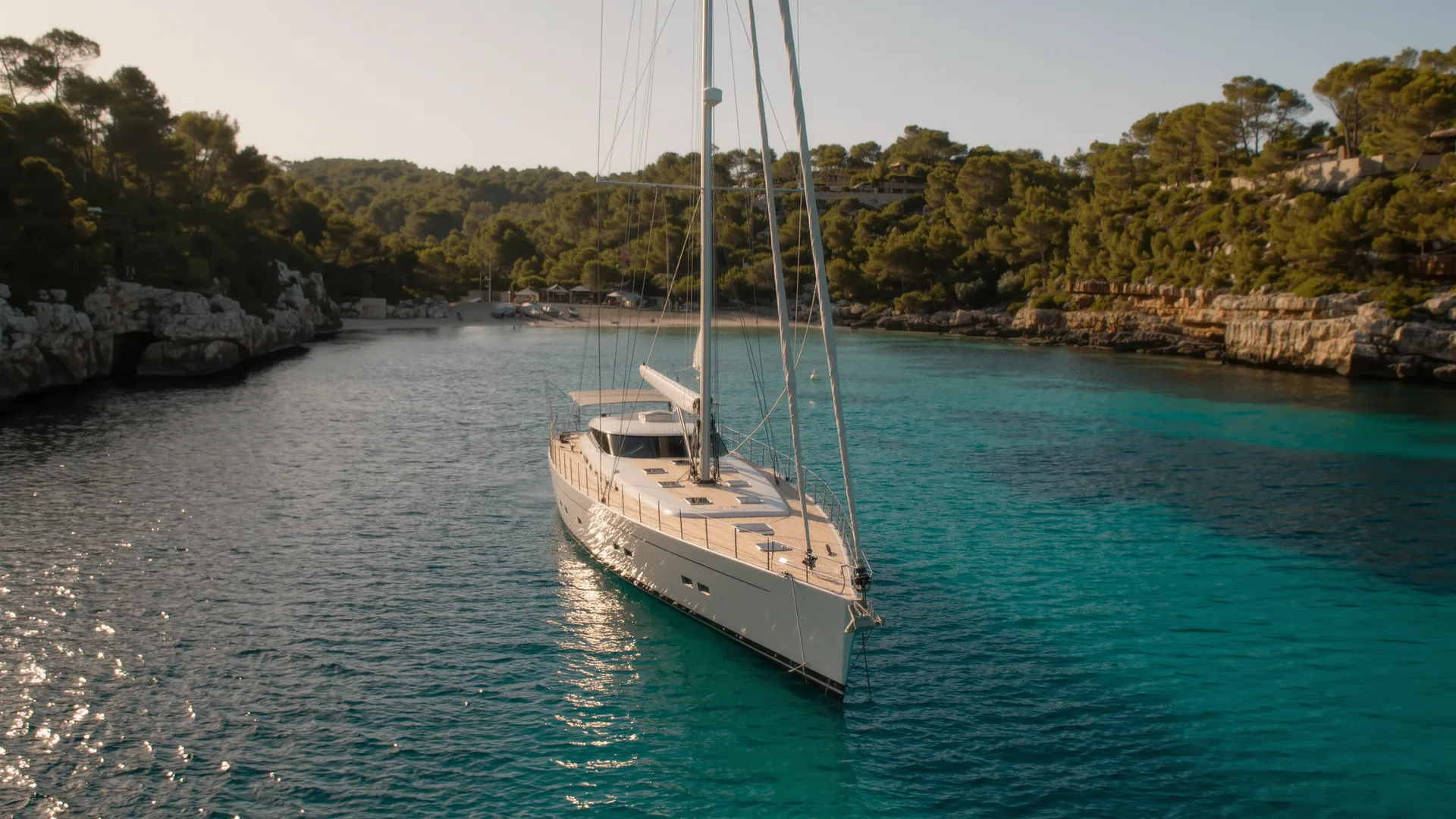
Boat insurance: what is compulsory and what is advisable
Compulsory third party liability insurance covers damage caused to others, while hull and machinery cover, which protects the vessel itself, is voluntary and accounts for most of the premium.
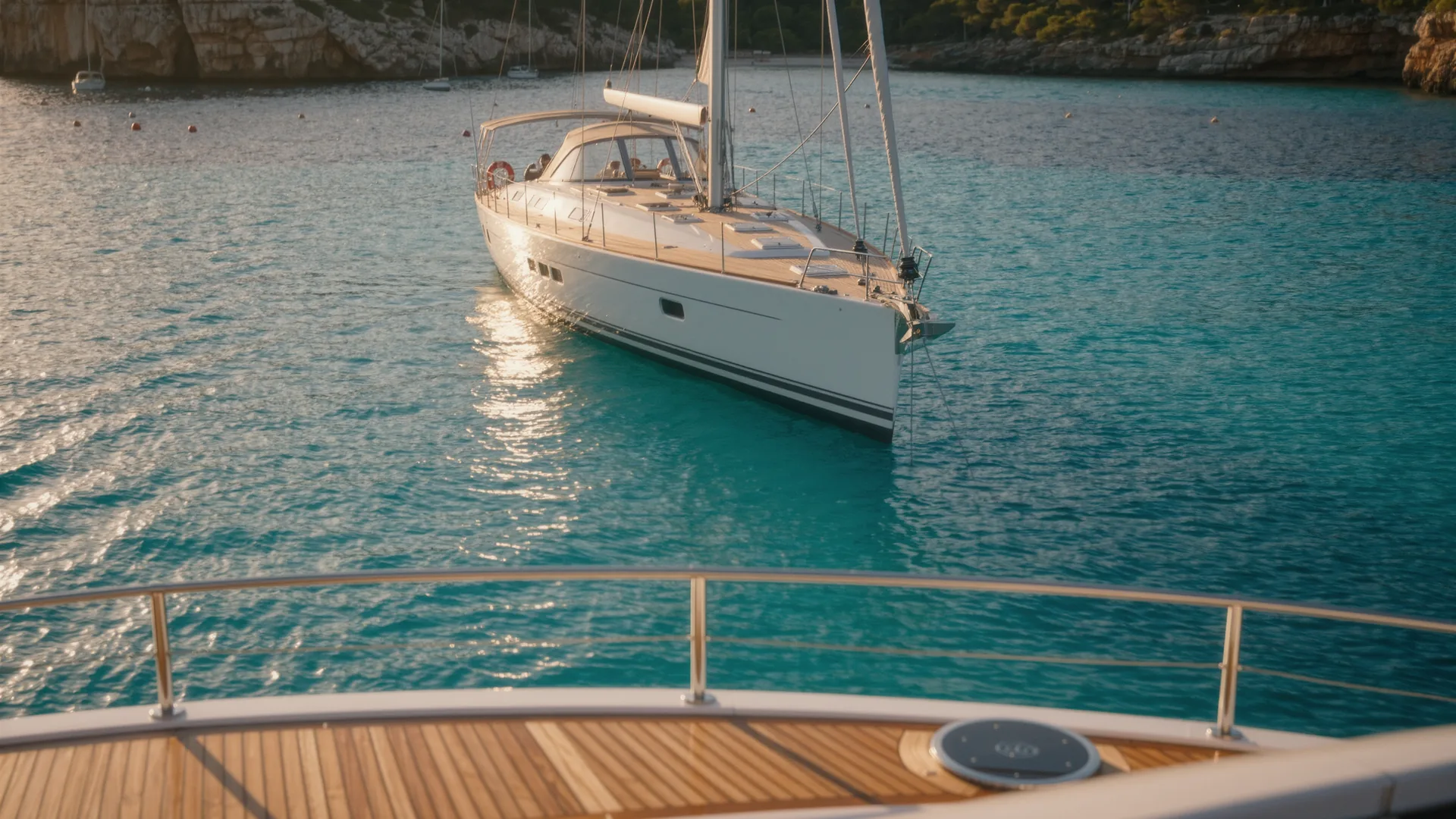
Which boat licence you need and for what
The qualification needed depends on the length of the boat and the distance from shore: a navigation licence allows up to six metres and two miles, the basic skipper certificate up to eight metres and five miles, and the PER up to fifteen metres and twelve miles.

Breakdown in a hire car: who pays for what
Mechanical failures caused by wear, maintenance or a defect are the hire company's responsibility and it must provide assistance and a replacement vehicle, while damage resulting from misuse by the driver is billed to the driver.
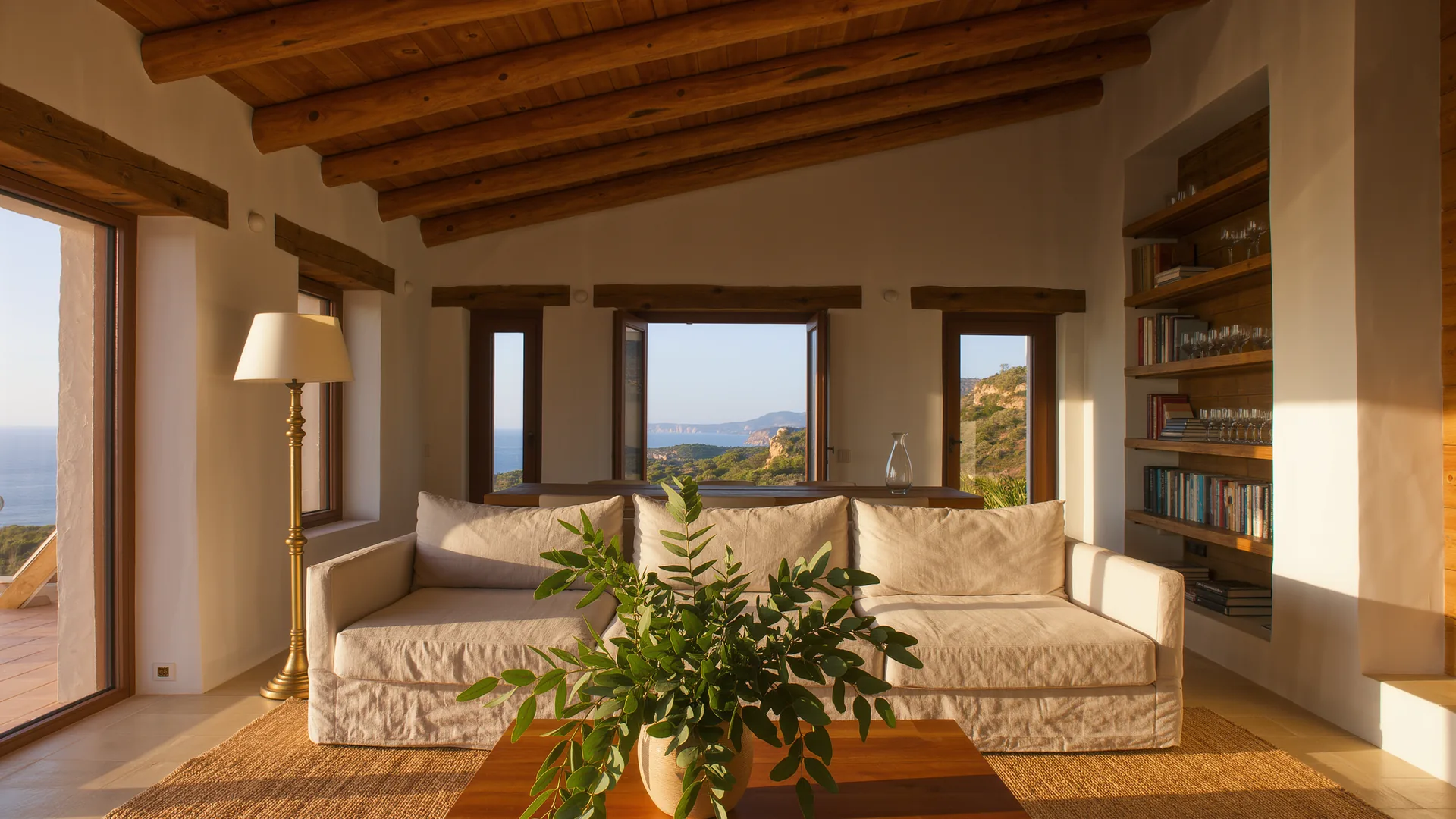
Minor or major works: which licence you need
Work that does not affect structure, facade, volume or use is processed as minor works through a prior notification or simplified licence, while any intervention on structural elements or on the exterior requires a major works licence with a technical project.

Buying a boat in Mallorca: the annual costs
The annual cost of keeping a boat usually runs between eight and fifteen per cent of its value, covering berth, insurance, maintenance, lift out and fuel, so the purchase price is only the first payment.
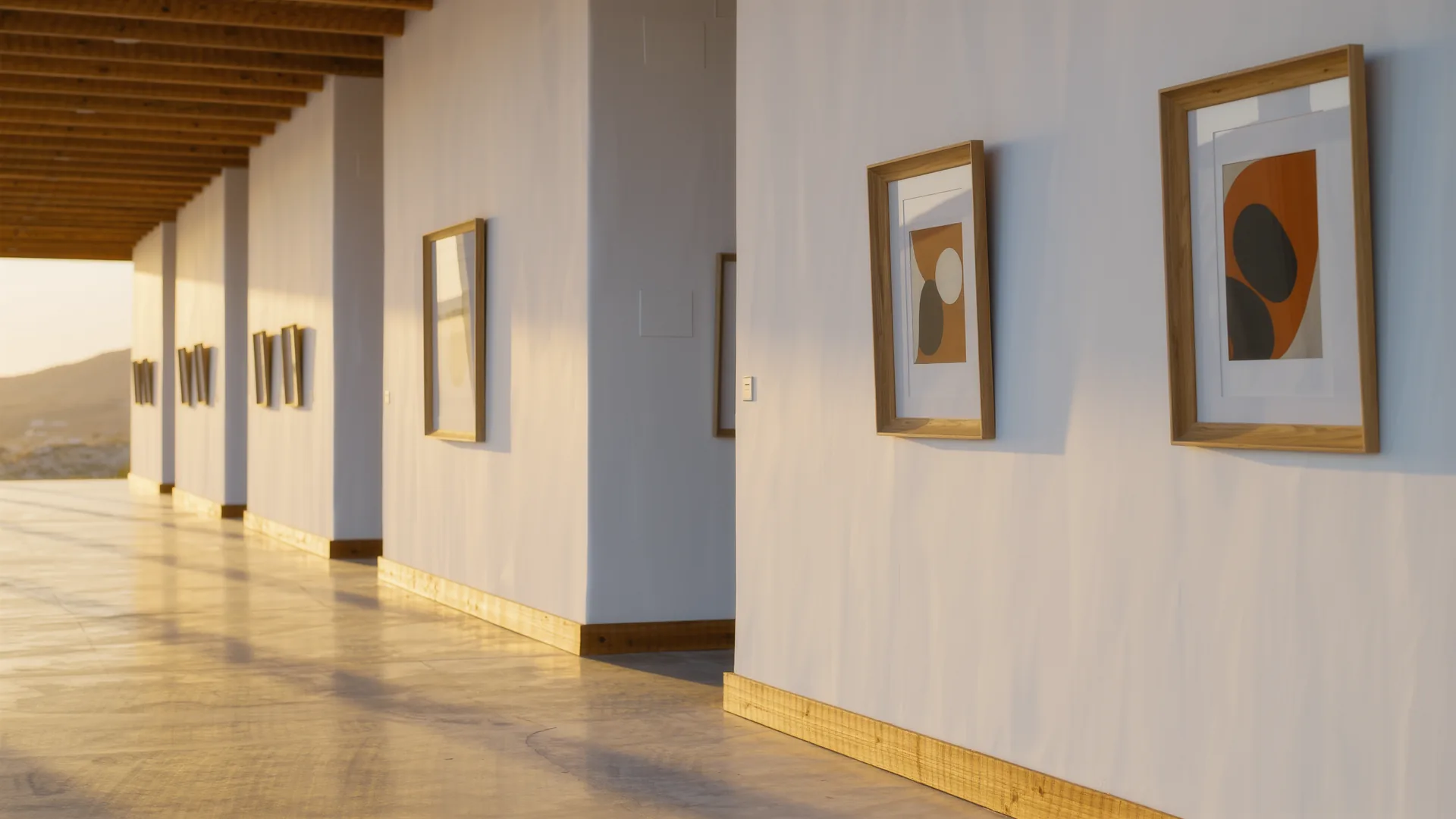
Buying art in a gallery: how it works
Buying in a gallery means acquiring the work with an invoice in the buyer's name, a signed certificate of authenticity and a full technical sheet, with the price including a gallery commission shared with the artist under their agreement.
The full cost of buying: a line-by-line checklist
On top of the purchase price a buyer in the Balearics should budget 10 % to 13 % for a resale and 12 % to 15 % for a new build, covering transfer tax or VAT, notary, land registry, legal fees and, where applicable, mortgage costs.
Buying off plan: the guarantees that protect the deposit
A developer selling off plan must hold every stage payment in a special account and back it with a bank guarantee or an insurance policy, so that if the building is not delivered the buyer recovers the amounts paid plus interest.
The cadastral reference value and your tax bill
The cadastral reference value is a figure assigned to every property by the cadastre and used as the minimum taxable base for transfer tax and inheritance tax, so buying below it does not reduce the tax due.
Car insurance in Spain: the cover that matters
Third party liability insurance is compulsory for every vehicle in Spain, and the levels above it, third party with theft and fire and then fully comprehensive, are optional additions whose value depends chiefly on the age and value of the car.

Paying by card: what a restaurant must do
An establishment is not obliged to accept card payment, but it must inform customers of the accepted payment methods before they consume, and it may not apply any surcharge for paying with consumer cards covered by European rules.
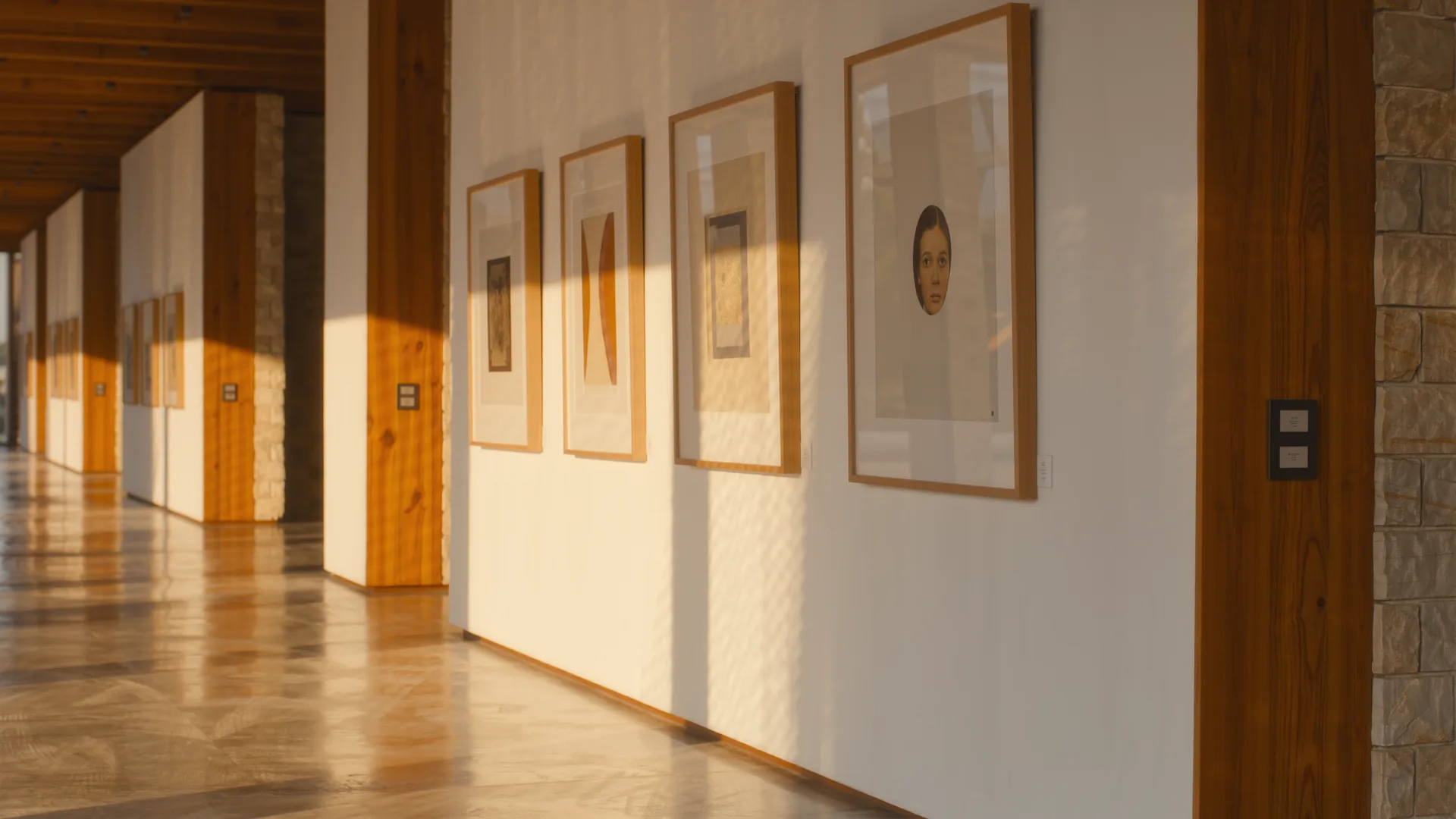
Caring for art in a Mediterranean climate
The three risks to a work of art in a Mediterranean home are ultraviolet light, humidity swings and salt air, and they are managed by controlling where the piece hangs, keeping relative humidity between forty five and sixty per cent, and using protective glazing.
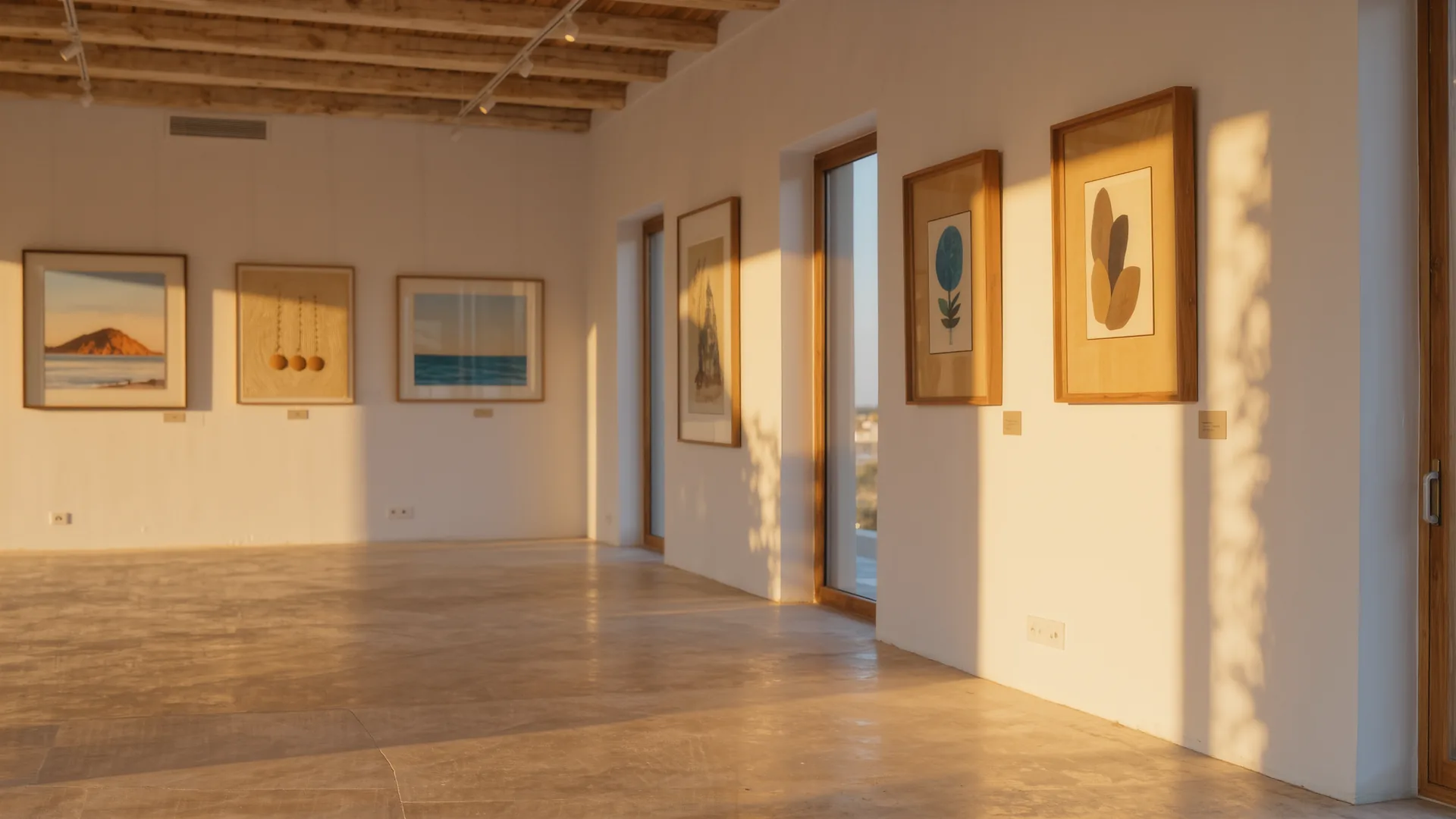
Certificate of authenticity: what it must contain
A valid certificate of authenticity identifies the work precisely, stating author, title, year, medium, dimensions and edition numbering where applicable, and carries the signature of whoever issues it, whether the artist, their legal representative or a recognised body.
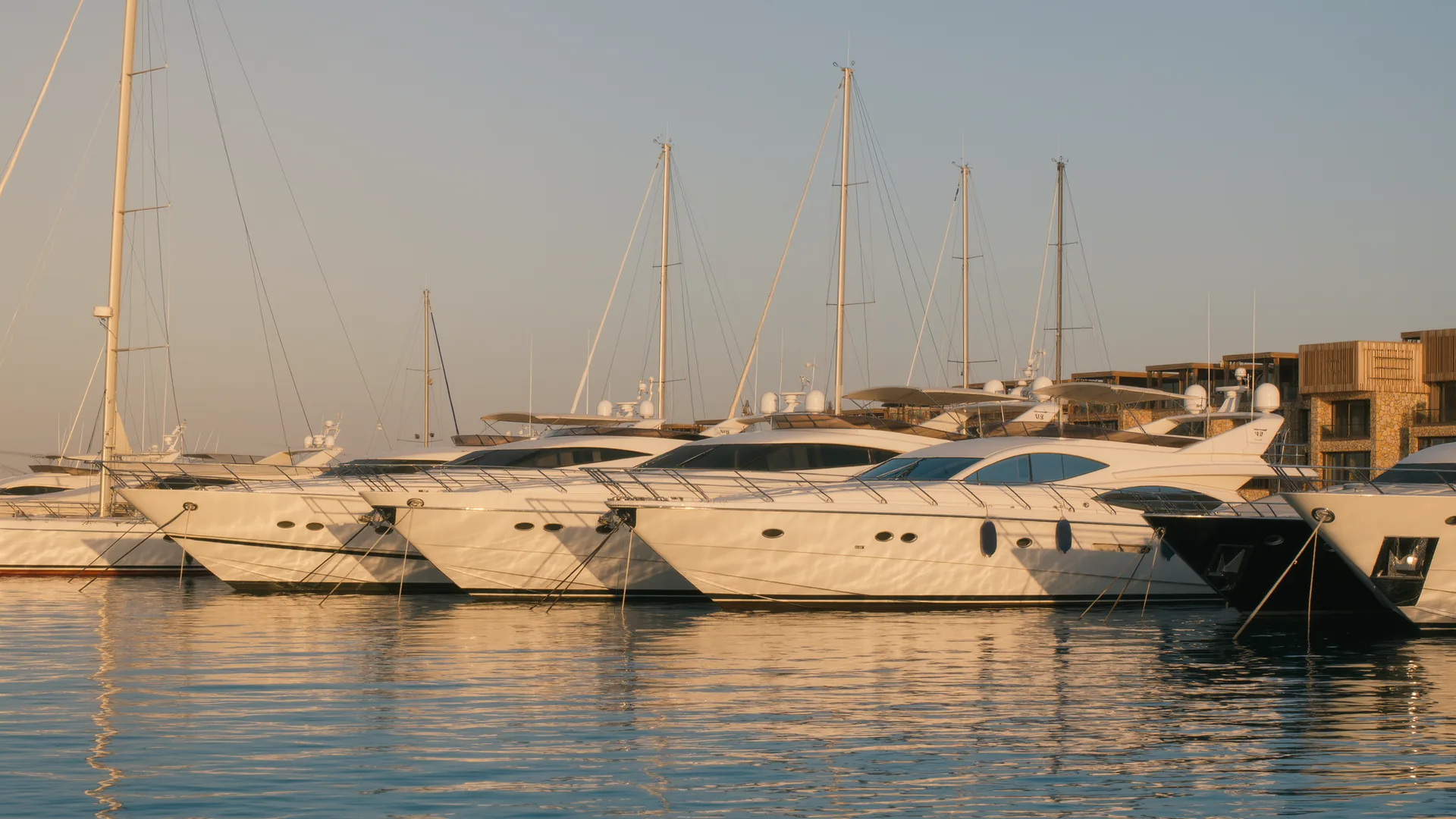
Changing a boat's flag: the tax consequences
The flag determines the law applicable to the vessel, but it does not displace the tax obligations arising from the owner's residence or from the effective use of the boat in Spanish waters, which are governed by their own criteria.

Changing community statutes: the majorities needed
Amending the statutes of a community of owners requires unanimity as a general rule, with specific exceptions set by law where a three fifths majority of owners and quotas suffices, and the amendment must be registered to bind future purchasers.
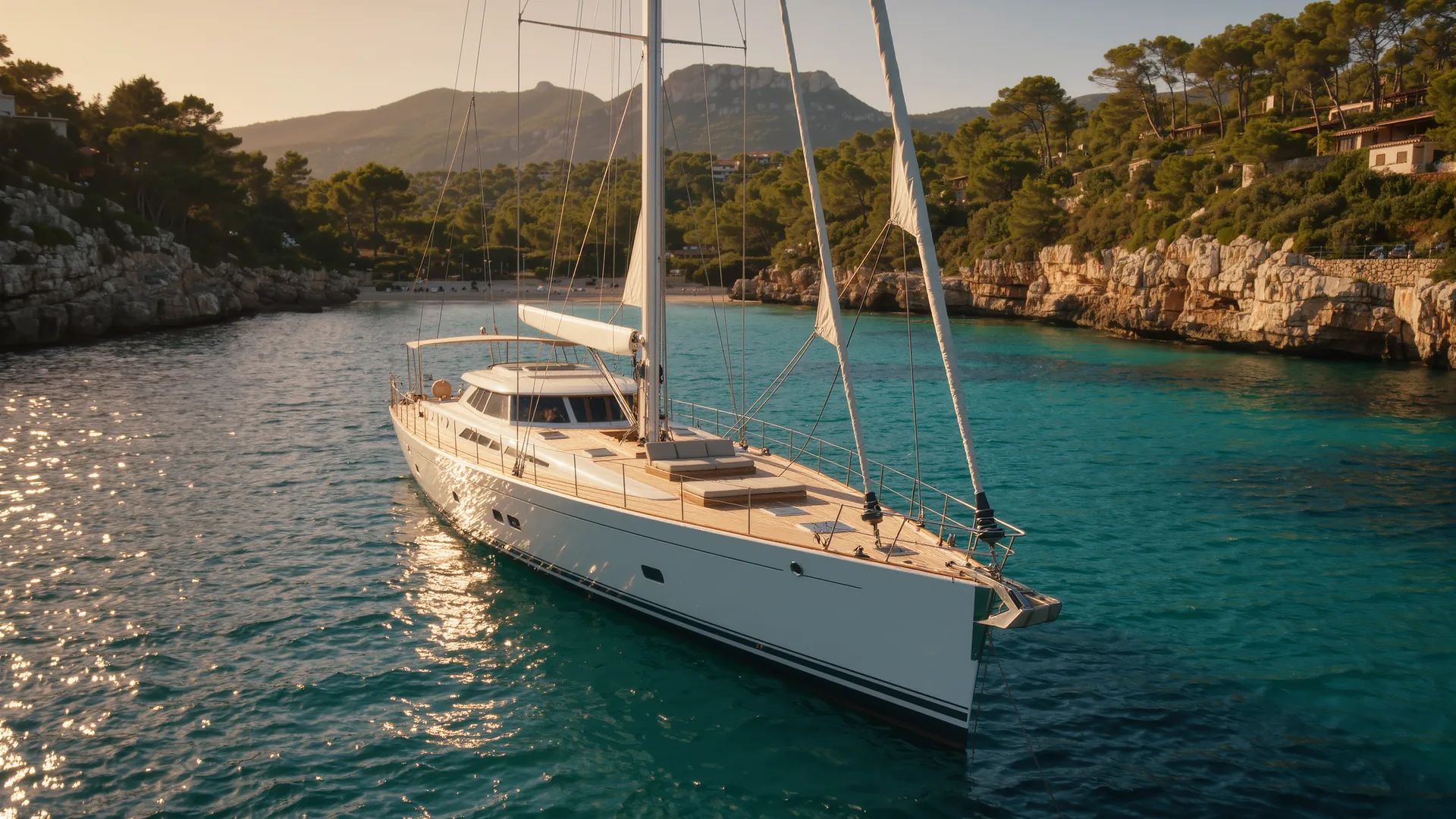
Charter: what licence is needed to hire out a boat
Operating a boat for hire requires it to be registered in the appropriate commercial list, cleared for commercial activity, insured for that use, and compliant with the technical and tax requirements of the business.
Check in and check out times: what applies
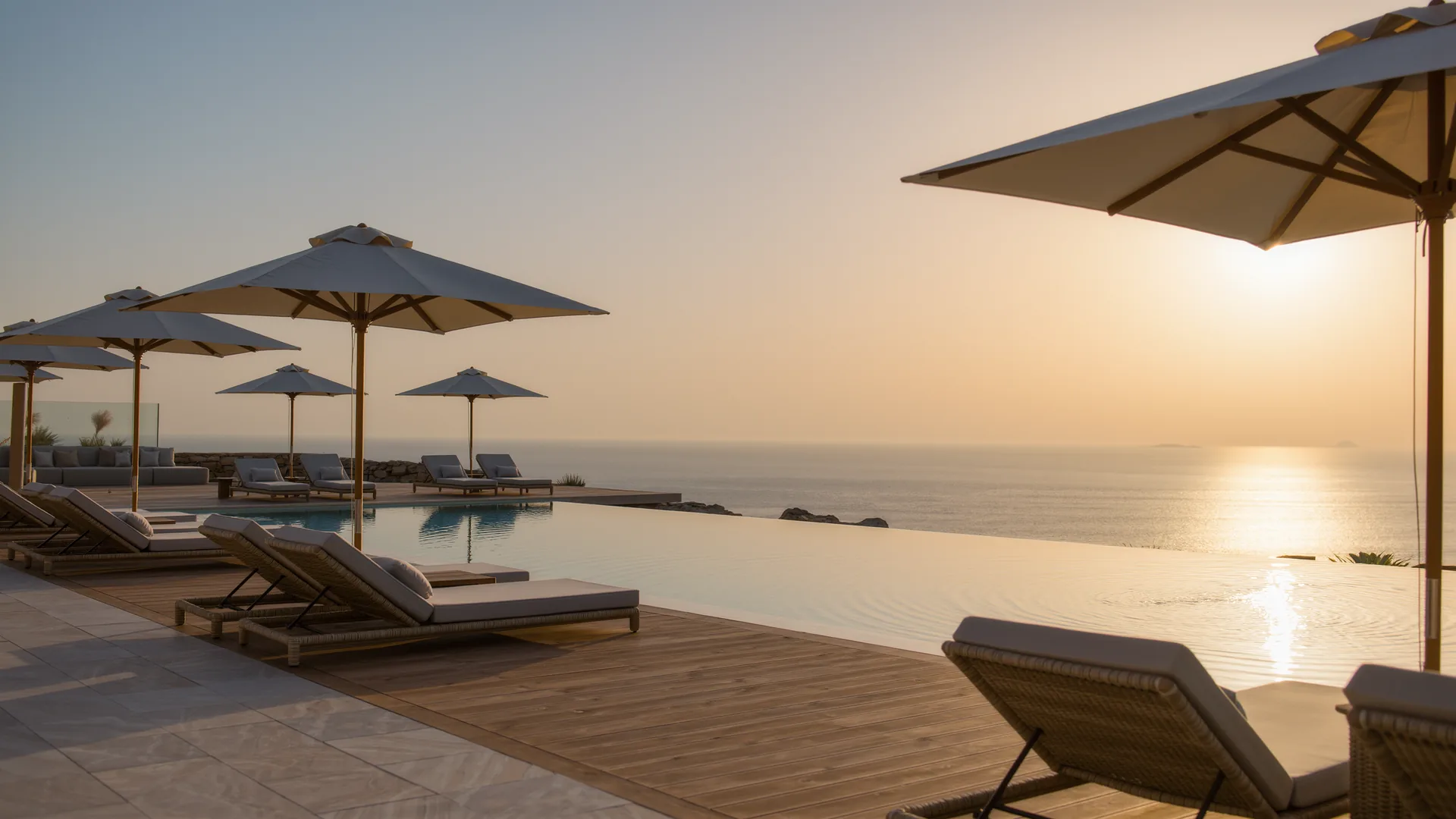
The usual pattern is check in from two or three in the afternoon and check out by eleven or twelve at midday, and the gap exists because the room must be cleaned and prepared between one guest and the next.

Chemical peels: types and recovery time
A superficial peel allows a return to normal activity the same day, a medium peel requires five to ten days of recovery with visible flaking, and deep peels belong to the medical field and need weeks.

Child seat rules in Spain: what the law requires
Spanish law requires an approved child restraint system for every occupant measuring one hundred and thirty five centimetres or less, and those children must travel in the rear seats except in defined circumstances.
Children's orthodontics: the age of the first check
The first orthodontic assessment is recommended at around six or seven years of age, when the first permanent molars erupt, because growth related problems detected then can be corrected in ways that later require surgery.
Chlorine and salt: protecting hair through the summer
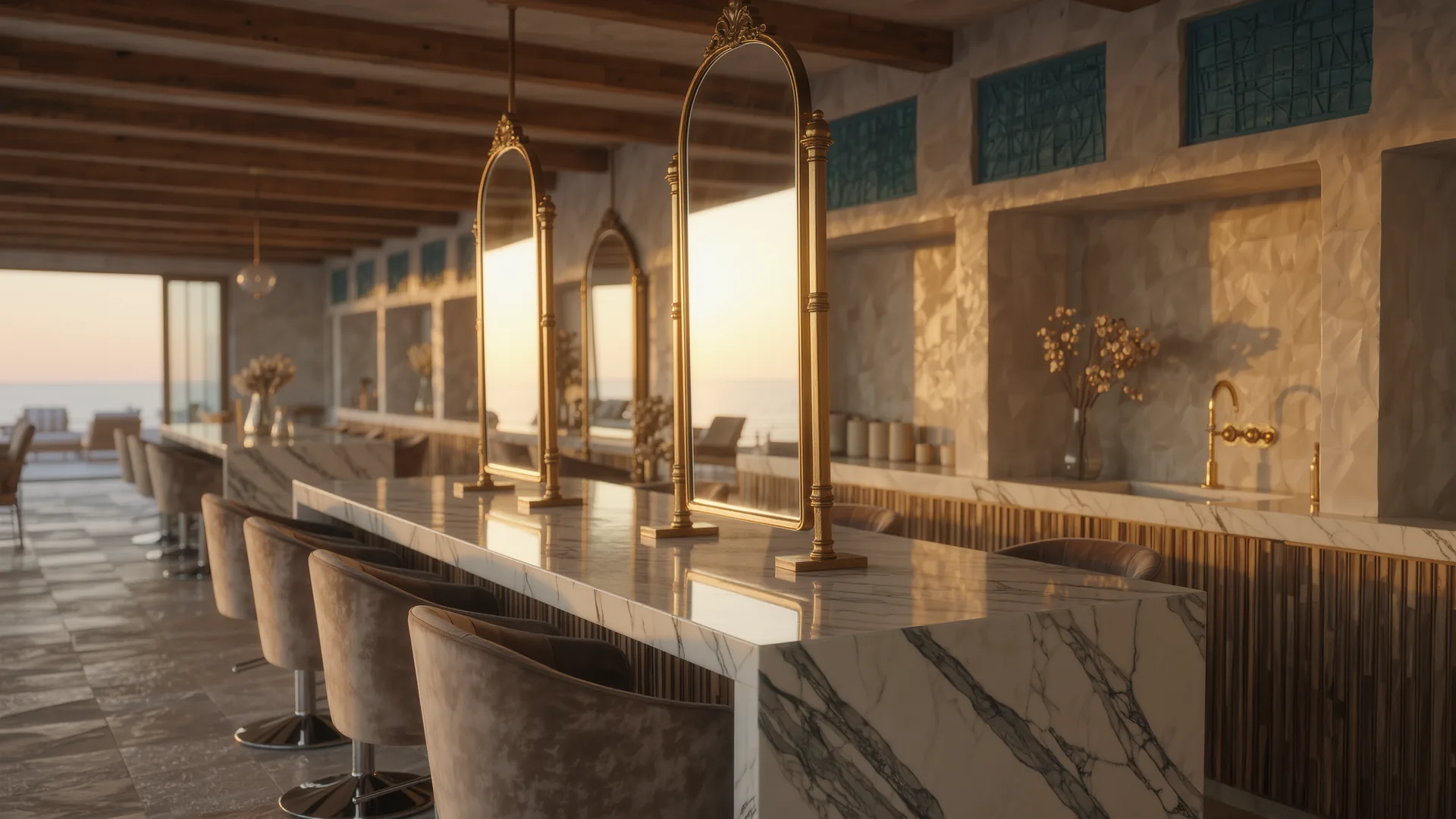
The most effective measure is to wet the hair with fresh water before entering the sea or a pool, because saturated hair absorbs far less chlorinated or salt water and the damage is measurably reduced.

Choosing a mattress without going by price
The main criterion is that the spine stays aligned in your habitual sleeping position, which depends on body weight and on whether you sleep on your side, back or front rather than on the price bracket of the mattress.
Choosing a padel racket: shape, weight and grip
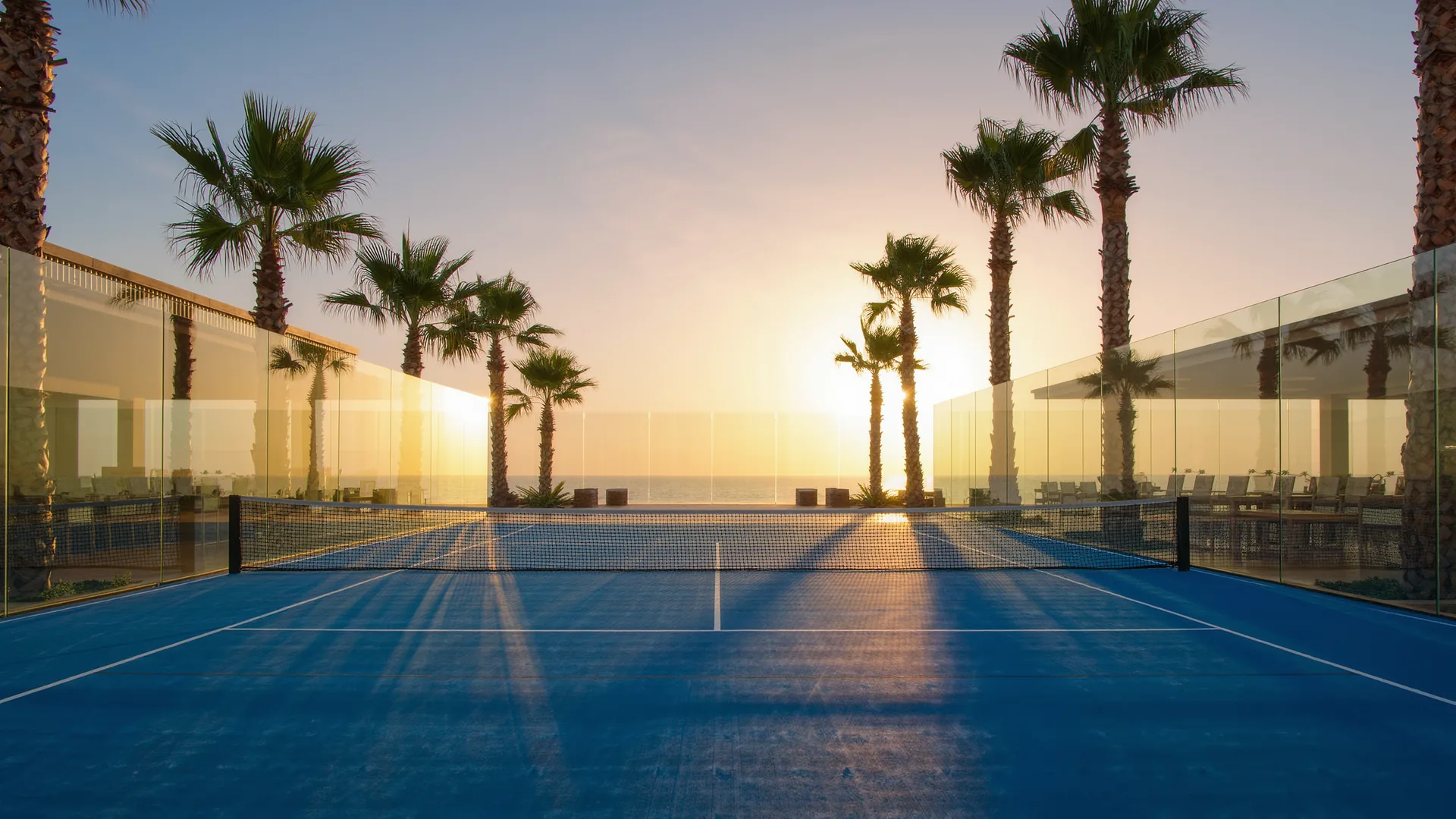
The shape determines where the sweet spot sits and how forgiving the racket is: round places it centrally and is the most tolerant, teardrop offers balance, and diamond concentrates power high up and demands good technique.
The Coastal Law: how close to the sea you can own
The Spanish Coastal Law places the shoreline itself in public ownership and imposes a protection easement of 100 metres inland from the boundary, reduced to 20 metres in areas already urbanised when the law took effect, within which new construction is heavily restricted.
Community fees in Spain: what they cover
Community fees are the owner's share of the annual budget of the community of owners, allocated according to the participation quota recorded in the deed of horizontal division, and they cover maintenance, insurance, services and the legally required reserve fund.
The owners' meeting: how decisions get made
A community of owners must hold at least one general meeting a year, and resolutions are passed by majorities that vary with the type of decision, binding every owner including those who did not attend once the minutes have been circulated.
The complaints book: when and how to use it
The complaints book must be available in every establishment open to the public and handed over when requested, without any requirement to explain first or to wait for a manager to be present.

The card hold on a hire car: how much and how long
The hold is a pre-authorisation that blocks part of your credit limit for the amount of the excess plus fuel, commonly between eight hundred and two thousand two hundred euros, and it is released between five and thirty days after the car is returned undamaged.
Crowns and veneers: the difference and the lifespan
A crown covers the entire tooth and is indicated when little sound structure remains, while a veneer covers only the visible surface and is used to correct shape or colour on a tooth that is essentially intact.

The razor shave: what to expect and the aftercare
A full razor shave takes twenty five to forty minutes, gets closer than any cartridge razor because the blade cuts the hair level with the skin, and its result holds for one to two days depending on growth rate.
A day spa in Mallorca: what it costs
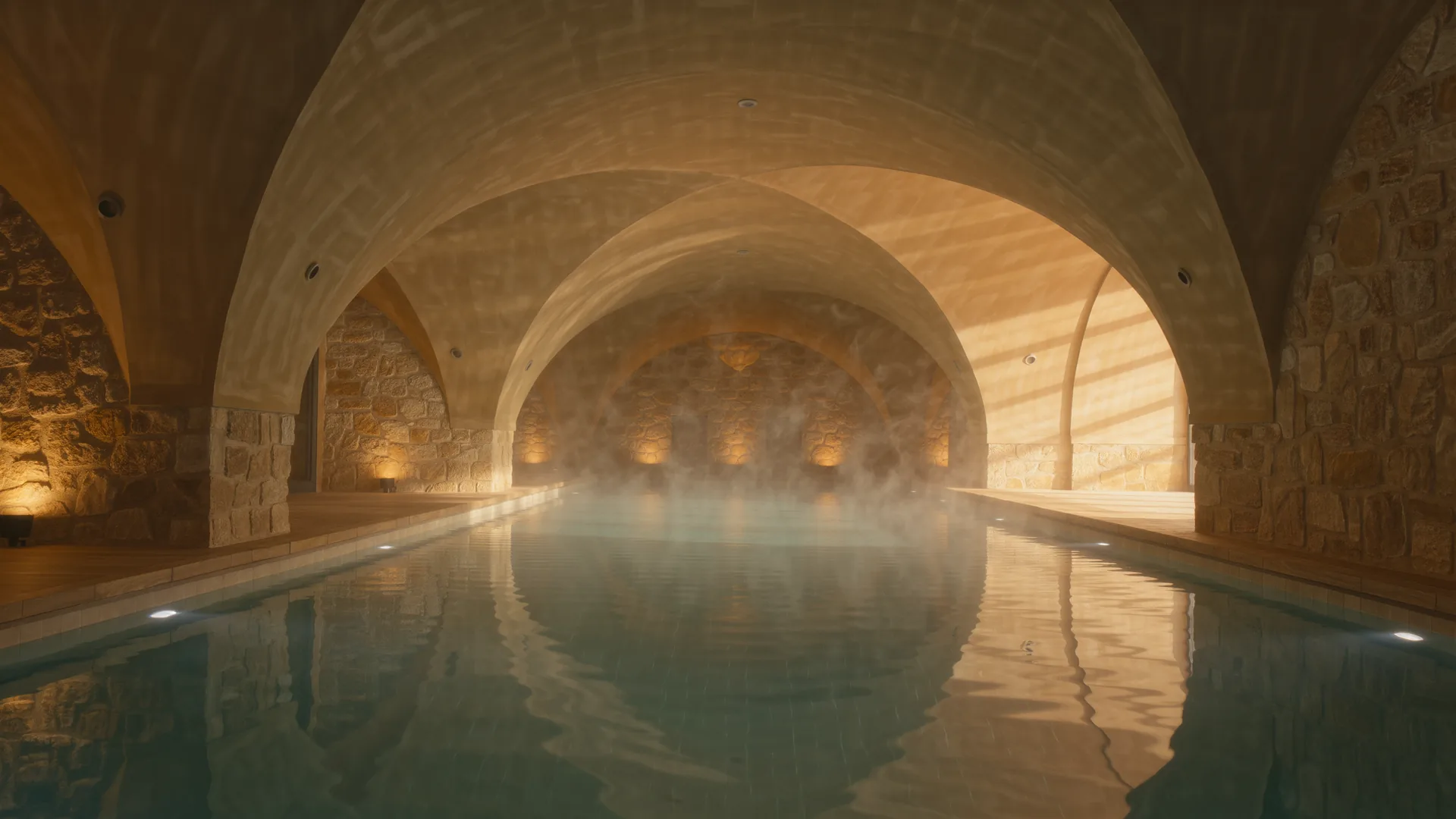
Access to the water circuit for outside visitors costs between twenty and forty five euros, and a day package with circuit, a fifty minute treatment and lunch runs between ninety and one hundred and ninety euros per person.
Is dental insurance worth it in Spain
Dental insurance in Spain pays when more than two included treatments are used in a year or when expensive listed treatments are expected, while a person with healthy teeth needing only one annual clean is usually better off paying per visit.
Dental records: your right to a copy
A patient has the right to access their clinical record and to obtain a copy of the documents it contains, including radiographs and digital scans, and the clinic must keep that record for a minimum of five years from the end of the episode of care.
Dental treatment abroad: planning the follow-up
Implant treatment requires at least two or three visits over three to six months and orthodontics needs a review every four to eight weeks, so treatment abroad must be planned as a sequence of trips rather than a single visit.
Dental work abroad: what the guarantee actually covers
A guarantee on dental work carried out abroad is only useful if it states in writing what is covered, for how long, and who pays for travel and follow-up, because the legal warranty of three years applies to the clinic that performed the treatment, wherever the patient lives.
The arras deposit contract: what you risk
Under the standard penitential arras contract the buyer who withdraws loses the deposit paid, and the seller who withdraws must return double it, which makes the deposit a fixed and symmetrical penalty rather than a simple advance on the price.
Dining table sizes by number of diners
Each diner needs between sixty and seventy centimetres of frontage and about forty centimetres of depth, so a rectangular table for six people needs roughly one hundred and eighty centimetres by ninety.

Driving in Mallorca: the rules visitors get wrong
The rules visitors most often get wrong in Mallorca are the lower speed limit on conventional roads, the tiered urban limits introduced in recent years, the requirement to give way to traffic already in a roundabout, and the etiquette of narrow mountain roads.

Which driving licence is accepted for car hire in Spain
Licences issued in the European Union and the European Economic Area are accepted in Spain without any additional document, while licences issued elsewhere generally require an international driving permit or an official translation alongside the original.
Ducted or split air conditioning: cost and installation
A ducted system distributes air from a single unit through a false ceiling and is more discreet and more even, while individual split units cost less, need no false ceiling and allow only the rooms in use to be conditioned.
The European health card in Spain: what it covers
The European health insurance card entitles the holder to necessary state provided healthcare during a temporary stay, on the same terms as Spanish residents, but it does not cover treatment in private clinics, transport home or repatriation.

Hiring an electric car in Mallorca: range and charging
An electric car works well in Mallorca because no usual route exceeds about one hundred kilometres, so a real range of two hundred and fifty kilometres covers almost any day without charging away from the accommodation.
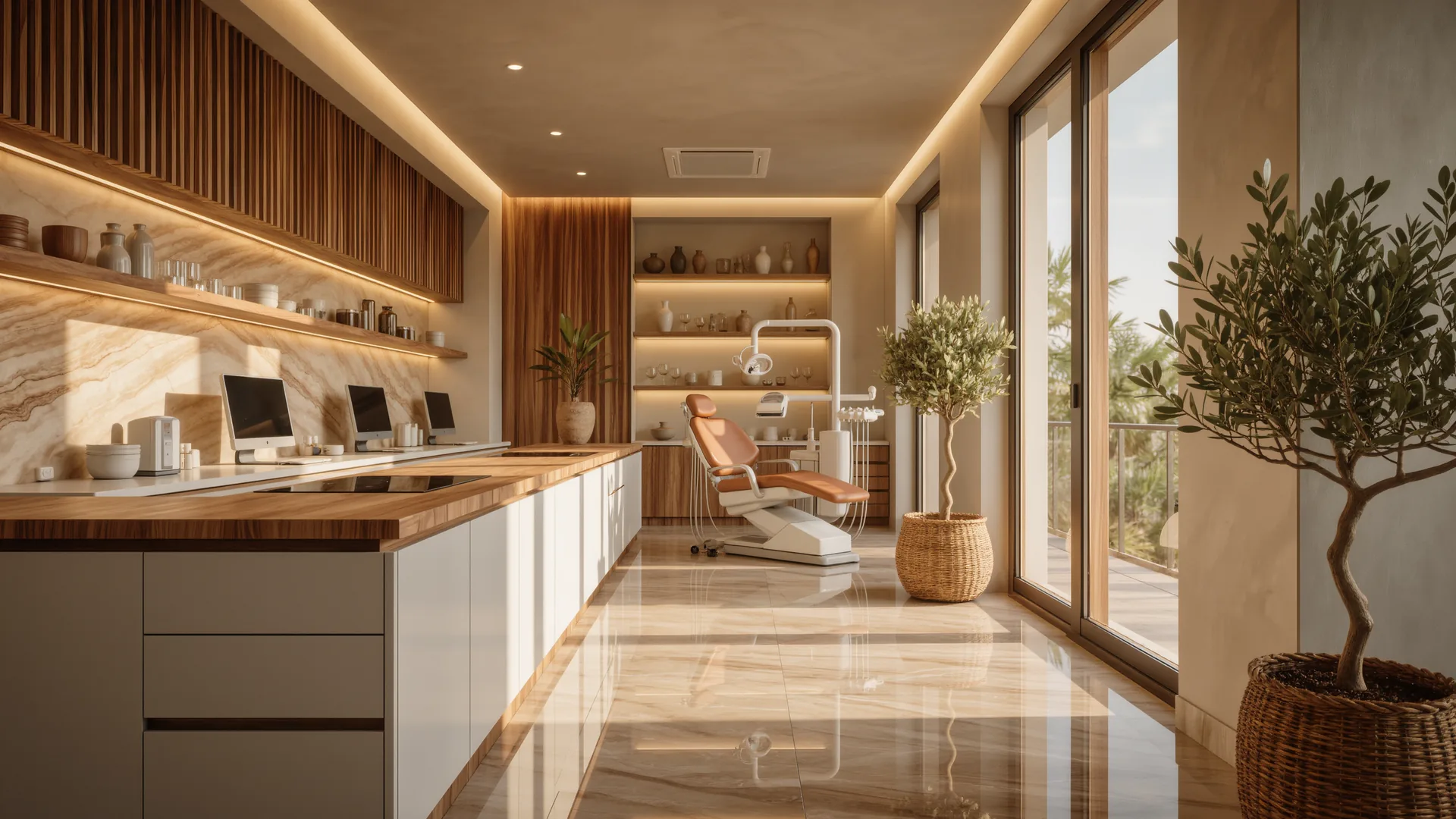
Dental emergency in Mallorca: where to go
A knocked out permanent tooth must be reimplanted within thirty to sixty minutes to have a good chance of surviving, and an infection with fever or difficulty swallowing requires hospital emergency care rather than a dental appointment.

Leaving a property empty over winter: the checks that matter
The three things that damage a closed Mediterranean property over winter are water left under pressure, trapped humidity and an insurance condition breached by leaving it unoccupied, and all three are addressed by a written shutdown routine and regular visits.
The energy certificate: when it is required
An energy performance certificate is compulsory before a property is marketed for sale or for a letting of more than four months, and the rating must be shown in the advertisement as well as handed to the buyer or tenant.
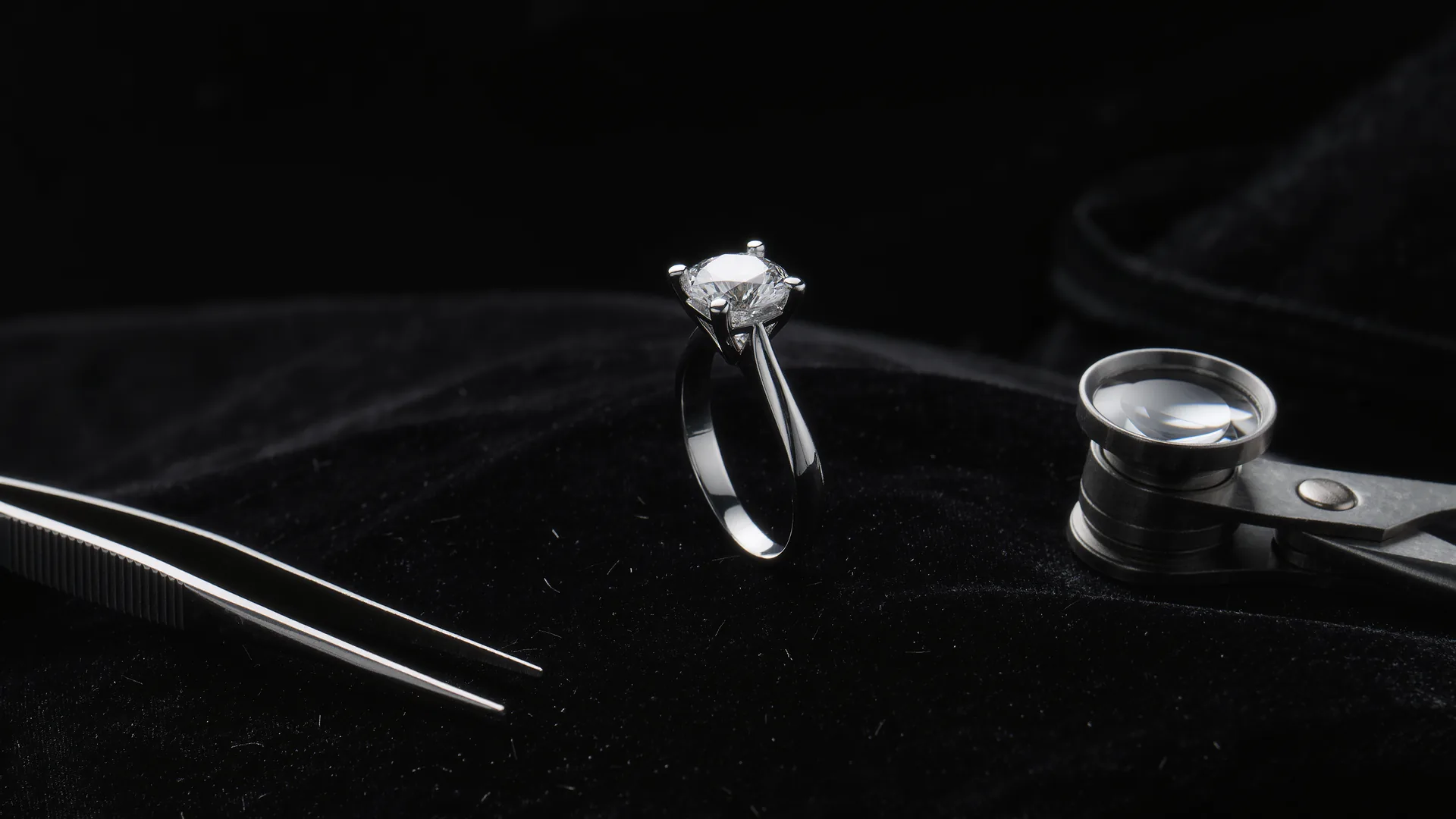
Engagement ring budget and sizing
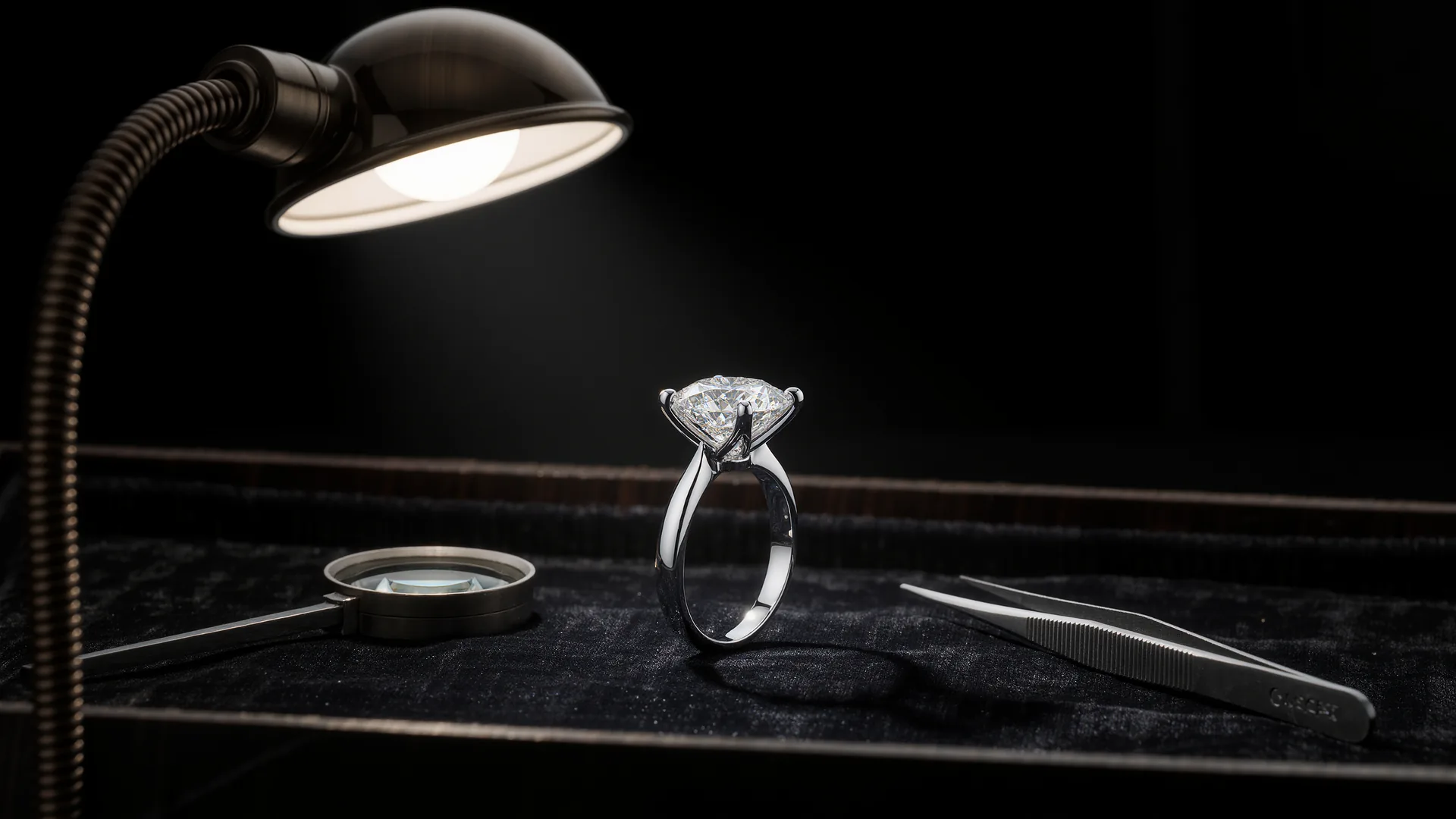
There is no rule about how much to spend: the usual range in Spain runs from nine hundred to two thousand five hundred euros, and the decision that matters is how the budget is divided between cut quality, setting and correct sizing.
Estate agent fees in Spain: who pays them
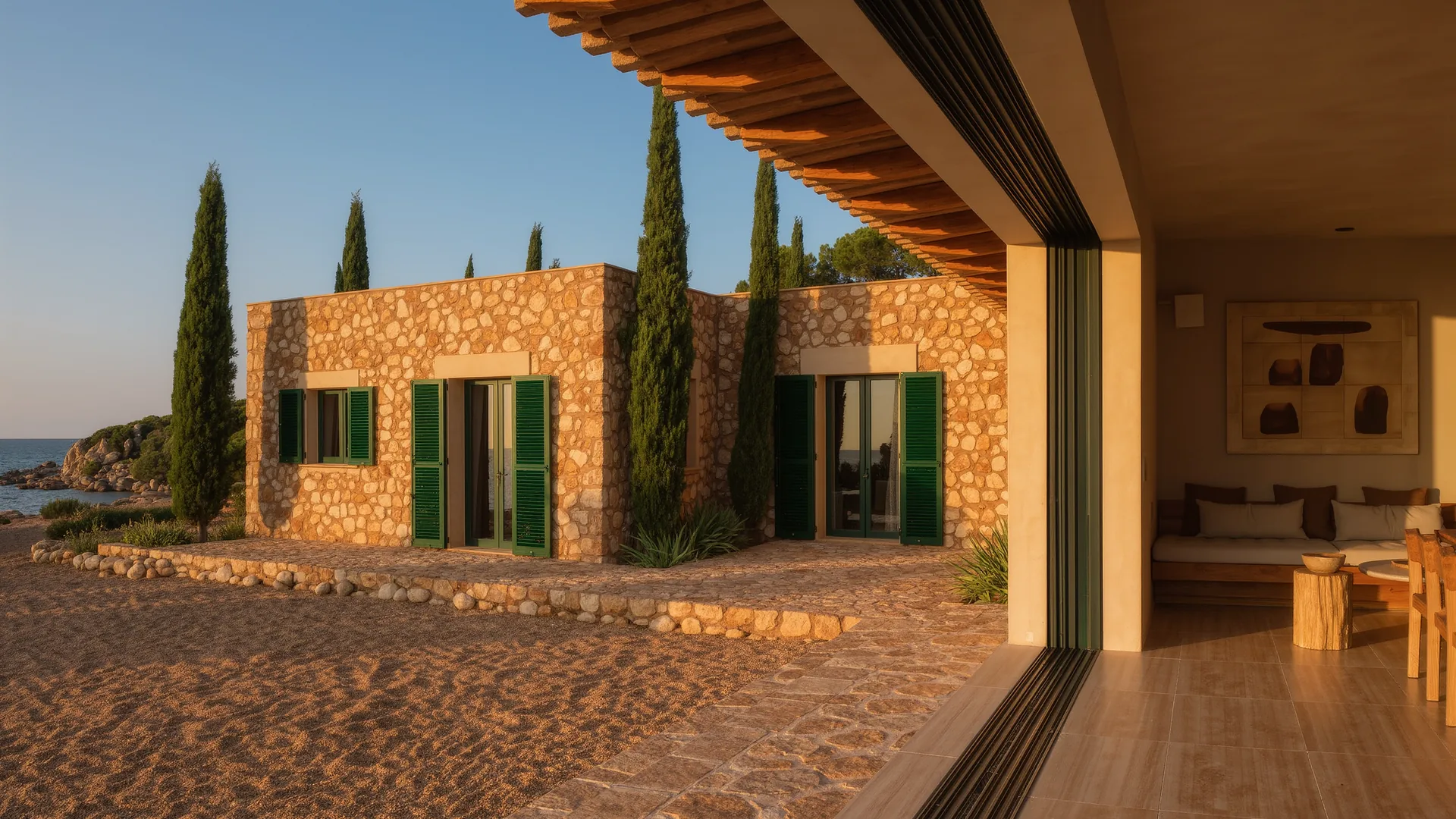
In Spain the estate agent's commission is normally paid by the seller and is already built into the asking price, typically at three to six per cent plus VAT, with higher rates on lower value properties and lower rates on large ones.
Facade works: how the cost is divided
The facade of a building is a common element, so the cost of repairing it is shared by all owners in proportion to their participation quota, including ground floor units and those whose windows do not face the works.
Fade types and how to ask for one
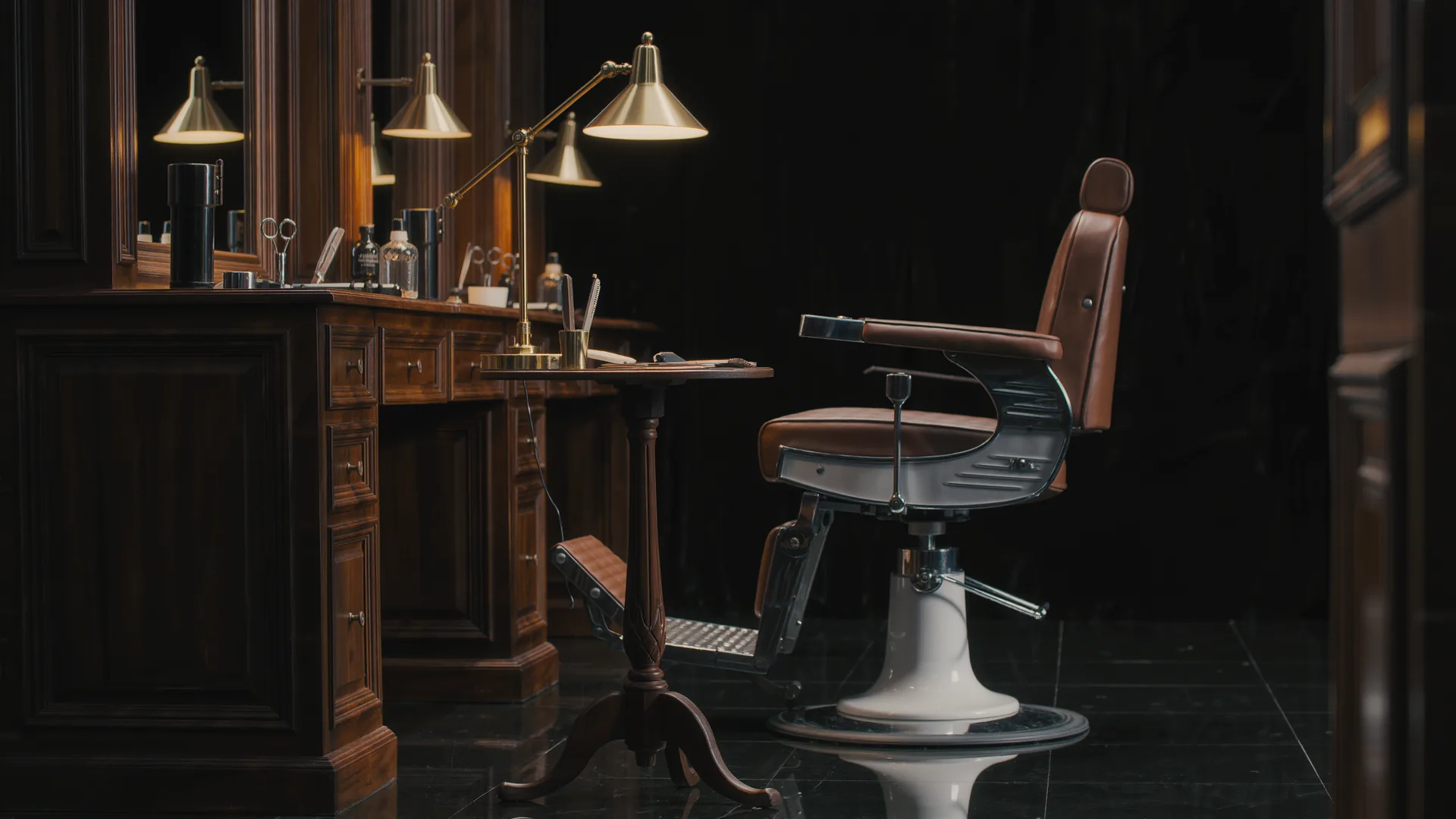
A fade is defined by the height at which the transition begins: low just above the ear, mid at temple height and high near the parietal bone, and it is requested by naming that height together with the starting guard number.
Free tapas: where they still come with the order
No rule requires a tapa to accompany an order: it is a local custom that survives as a courtesy in parts of Andalusia and has become a priced menu item in others.

Full to full or full to empty: which costs less
Full to full is cheaper in almost every case, because full to empty charges a whole tank at a rate above the pump price and refunds nothing for fuel left in it.
Furniture assembly: what it costs and covers
Professional assembly is usually charged at between eight and fifteen per cent of the price of the item, or at a fixed rate per piece, and covers assembly, levelling, wall fixing and removal of packaging.

Furniture delivery times: what is normal
Furniture held in stock arrives within days, catalogue items ordered from the manufacturer take four to ten weeks, and bespoke pieces take eight to sixteen, with the lead time recorded in writing on the order.
Selling art: gallery or auction
A gallery sells at a set price and over time, protecting the valuation of the work, while an auction discovers the price in a public event and is faster but more volatile, with results that can land well above or well below expectation.
Gel manicure: how long it really lasts
A gel manicure stays intact for two to three weeks, and what usually determines the moment to remove it is not wear of the polish but nail growth, which advances about three millimetres a month.
Glass or solid wall padel court: what changes
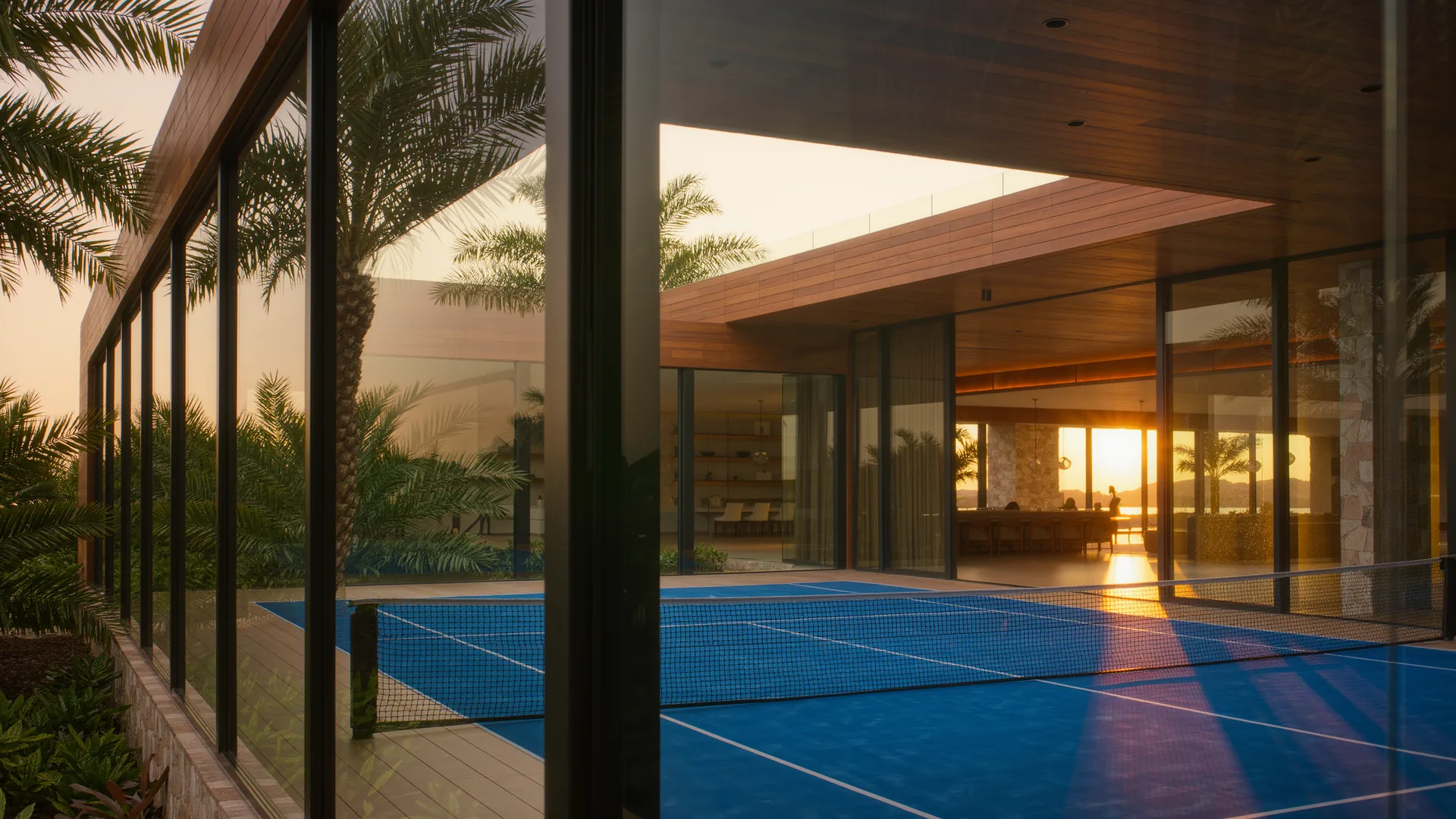
Glass returns the ball faster and more predictably than a rendered concrete wall, which absorbs part of the energy and produces slower and more irregular rebounds, so players have to adjust position and timing.
Gluten free on a Spanish menu: what it guarantees
The gluten free description may only be used where a food contains less than twenty milligrams of gluten per kilogram, and an establishment using it must be able to support that claim in both ingredients and preparation.
Hallmarks 750 and 925: what the numbers mean
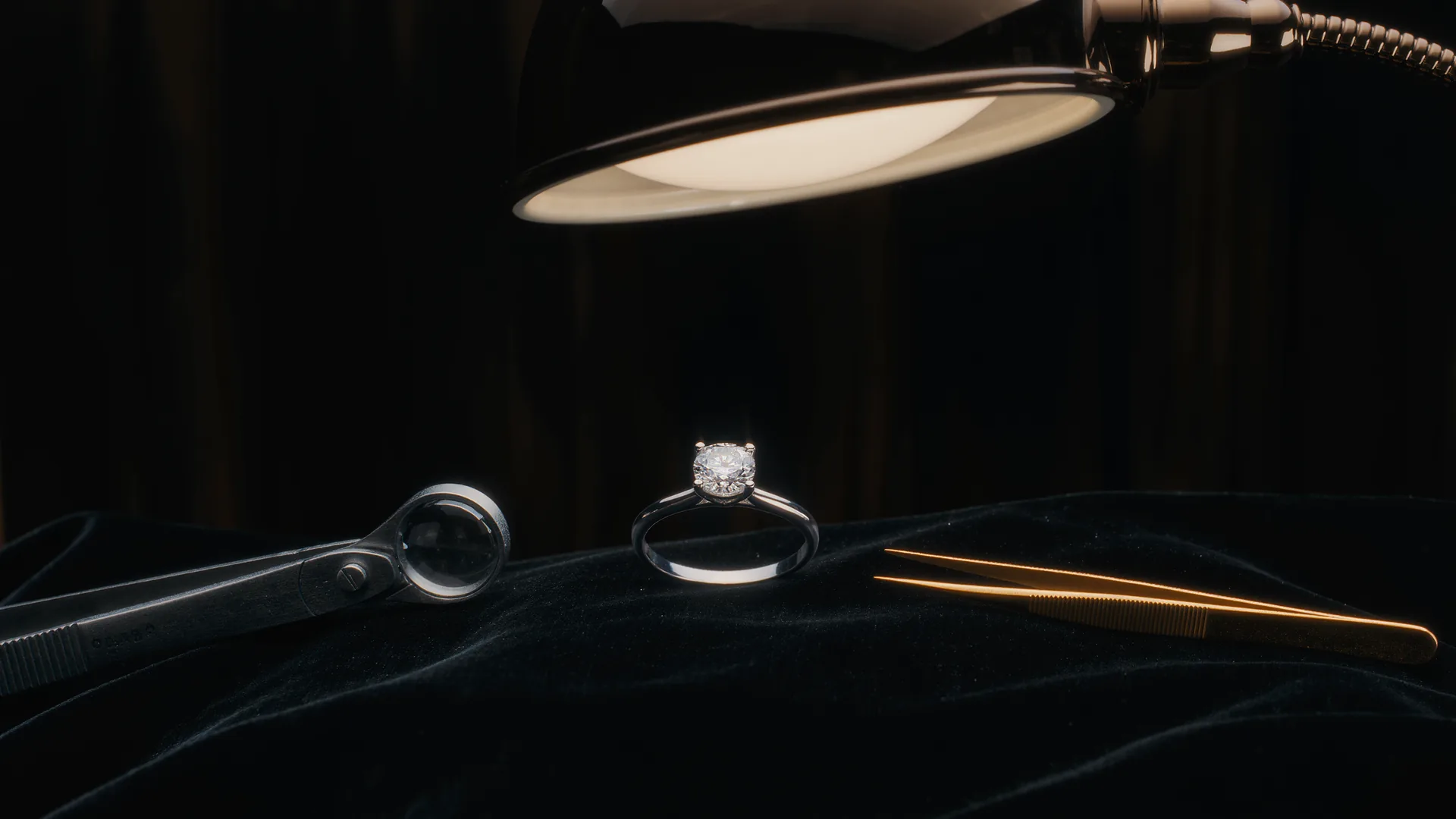
The number stamped on a piece states how many parts per thousand of it are pure precious metal, so 750 means eighteen carat gold at seventy five per cent purity and 925 means sterling silver at ninety two and a half per cent.
Residency through property: where the rules stand
Spain has ended the investor residency route based on property purchase, so buying a home no longer opens a path to a residence permit, and non-EU buyers who wish to live in Spain must use one of the ordinary permit categories instead.

The business listing: which fields to fill and how
The fields with most influence on a business listing are the primary category, accurate and current opening hours, the service area, own photographs and answers to frequently asked questions, while the free text description matters far less than most owners assume.
Group bookings: deposits and cancellation
From eight diners a deposit of twenty to fifty per cent of the estimated bill is usual, with the final number confirmed forty eight to seventy two hours ahead and the confirmed covers charged whether or not everyone attends.
Hair extensions: care and how long they last
Extensions last between two and six months depending on the attachment system, and the factor that most affects the health of the natural hair is not the method but keeping to the scheduled maintenance and having them removed correctly.
Hair loss: what is normal and when to act
Losing between fifty and a hundred hairs a day falls within normal limits, and it is only when the loss continues beyond three months, density visibly reduces or the hairline recedes that a medical assessment is warranted.
Hairdresser prices in Mallorca
A woman's cut in Mallorca costs between twenty and forty five euros, a colour between forty five and ninety and a full head of highlights between eighty and one hundred and eighty, with noticeable differences between Palma and the inland towns.
Half board or room only: the arithmetic
Half board works out when the daily premium per person is lower than the cost of eating out and the establishment sits away from any centre with restaurants, a common situation in coastal resorts and inland.
Hard water in the Balearics and what it causes
Hardness measures the calcium and magnesium dissolved in water and is expressed in French degrees, with water considered soft below fifteen, medium between fifteen and thirty and hard above thirty, which covers much of the supply on the island.
Healthcare cover for British nationals in Spain
British nationals fall into three distinct positions for healthcare in Spain: visitors covered for necessary state care by a UK issued health card, residents covered through their own status, and state pensioners covered through the S1 arrangement funded by the United Kingdom.

Heatstroke: the warning signs and what to do
Heatstroke is recognised by a body temperature above forty degrees together with an altered mental state, and it is a life threatening emergency requiring a call to 112 and immediate active cooling of the person.
High and low season in Mallorca: what changes
High season runs from June to September with the highest prices and occupancy, while May and October offer favourable weather at noticeably lower rates and low season from November to March has a reduced offer.
Highlights or balayage: what changes
Traditional highlights are applied with foils from the root and lift evenly, while balayage is painted freehand leaving the root darker, which stretches the interval between salon visits from five weeks to as much as five months.
Letting without a licence: the fines in the Balearics
Letting a property to tourists in the Balearics without the required licence is a serious administrative offence, sanctioned with fines that run from tens of thousands of euros upwards and that apply to the owner regardless of who managed the booking.
Home insurance in Spain: what a policy must cover
A Spanish home policy is built from two sums insured, the continente covering the structure and fixed installations and the contenido covering everything movable inside, and if either is set too low every claim is reduced in proportion.
Cancelling a hotel booking: deadlines and penalties
Cancellation terms are set by the rate booked: flexible rates allow cancellation without charge up to twenty four or forty eight hours beforehand, while non refundable rates admit no refund, and both must be clearly disclosed before booking.
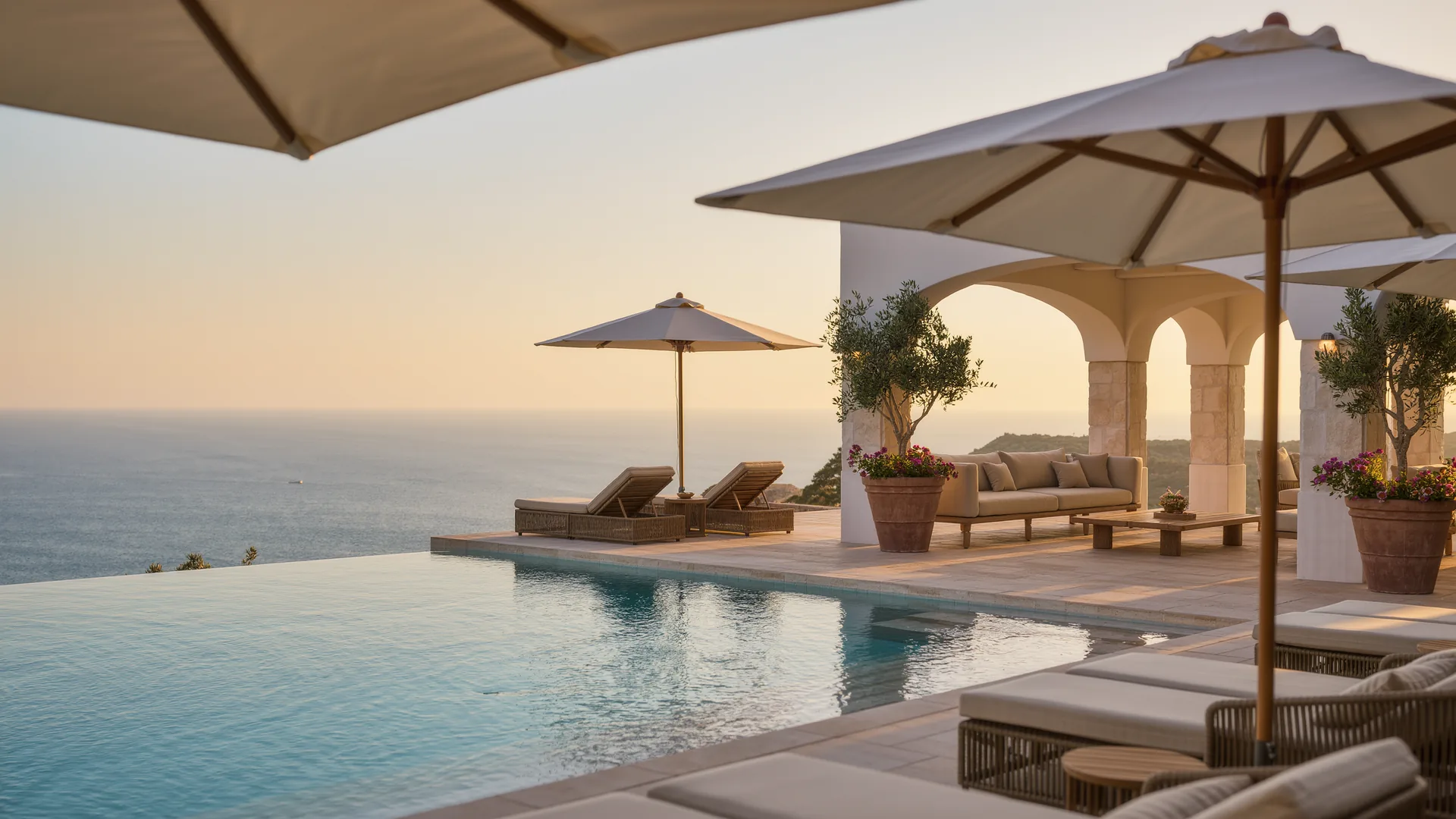
Hotel star ratings in Spain: what they mean
Stars certify that an establishment meets minimum requirements for facilities, floor areas and services set by regional regulation, but they do not measure the quality of the experience, the state of repair or the service received.
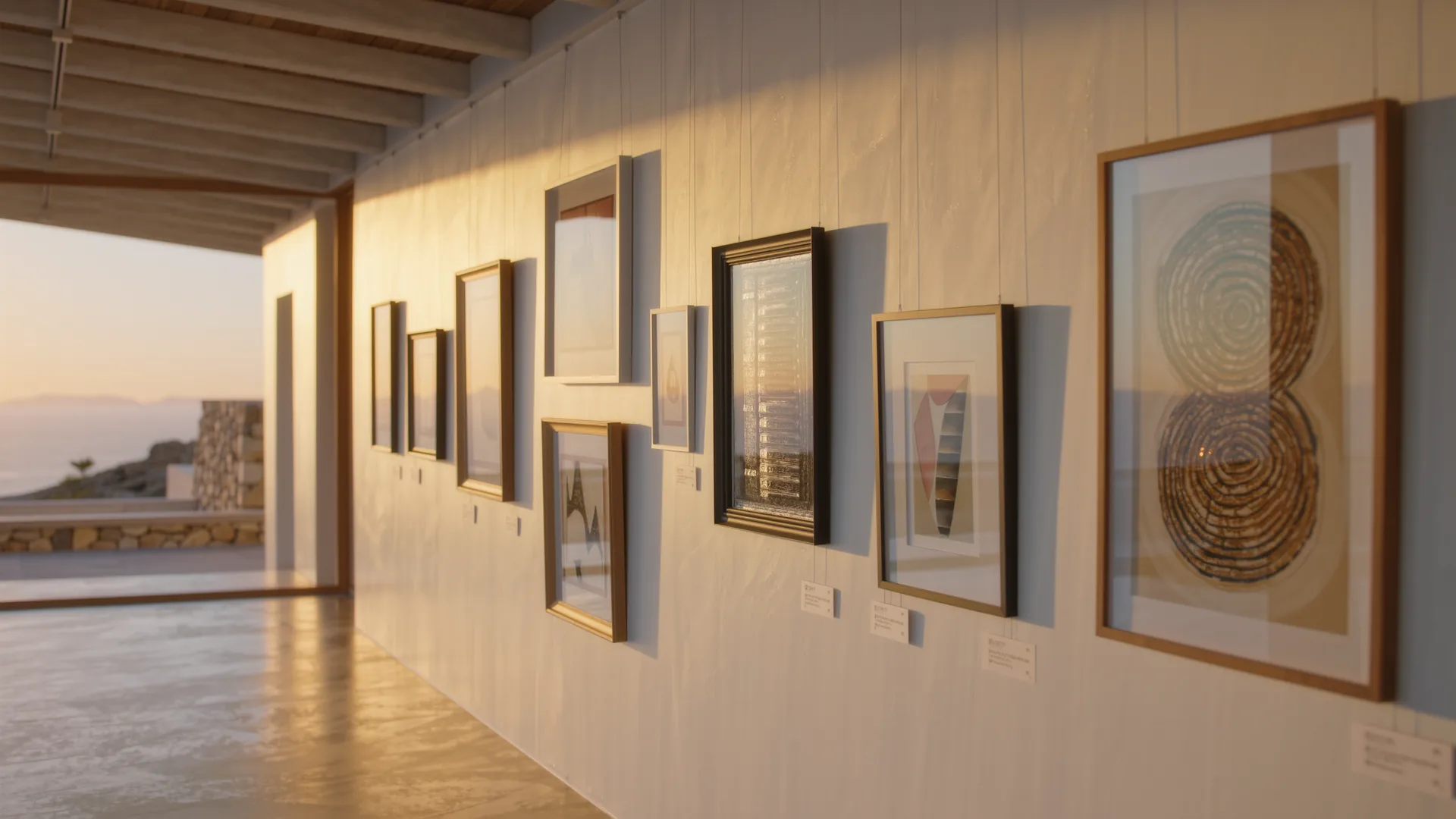
How art prices are set
The price of a work by a living artist is built from the size and medium, the artist's exhibition and collection record, and above all the history of prices actually achieved, which is what the market treats as evidence.
Trimming the ends: how often it actually makes sense
The interval depends on the goal: every six to eight weeks to hold a short shape, every ten to twelve to keep a long length healthy, and every three or four months when the aim is to gain length.
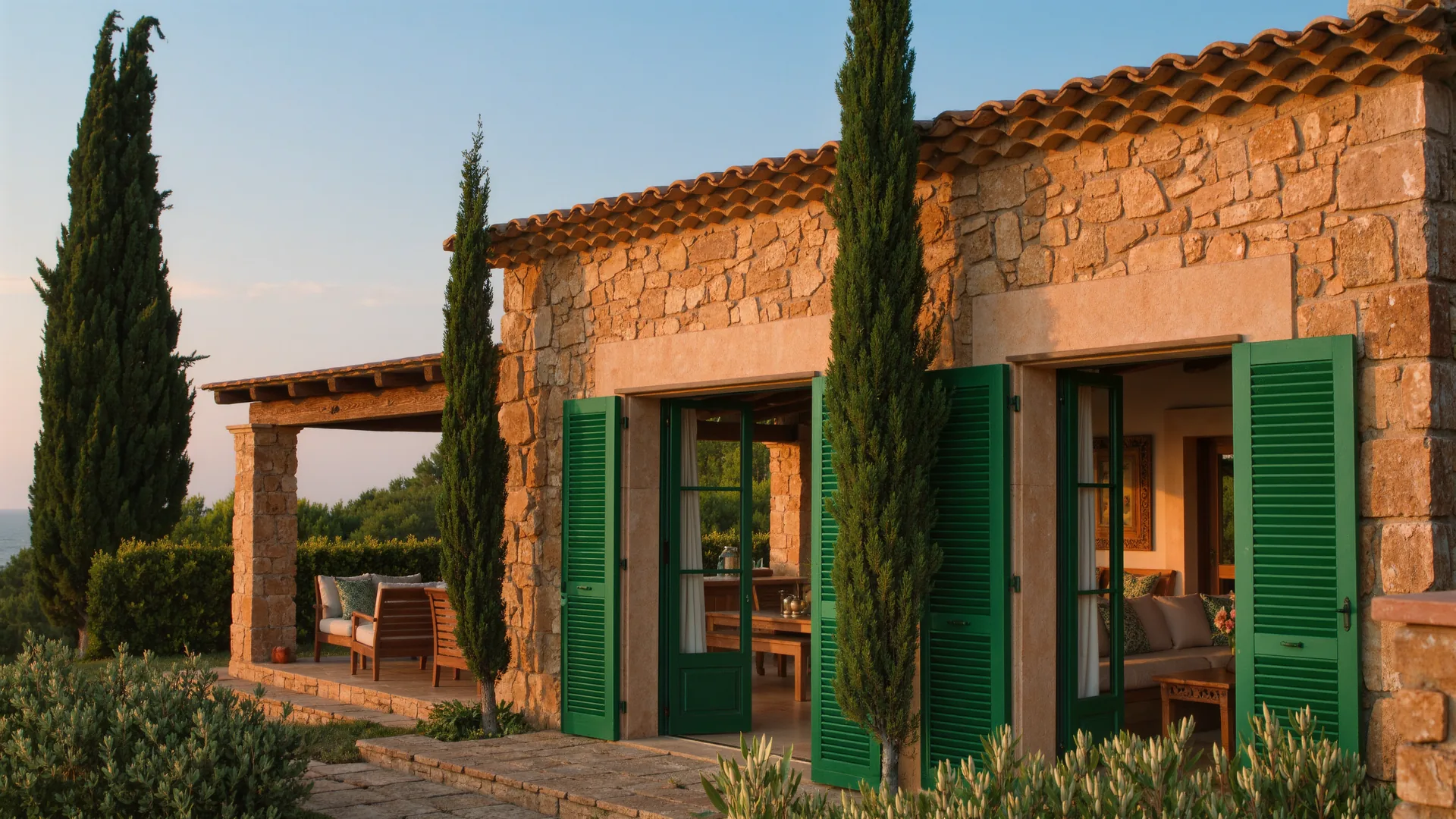
IBI property tax in Mallorca: how it is worked out
IBI is an annual municipal tax calculated by applying the rate set by each town hall to the cadastral value of the property, so two homes of similar market value in different municipalities can carry very different bills.

Informed consent in Spain: what must be explained
Informed consent requires that before an intervention the patient is told the purpose and nature of the procedure, its typical and personalised risks, its certain consequences and the available alternatives, including the alternative of no treatment.
Inheritance tax in the Balearics: what heirs pay
Inheritance tax in Spain is a national tax with regional reliefs, so the amount an heir pays in the Balearics depends chiefly on which kinship group they fall into, with children, spouses and parents treated far more favourably than distant relatives or unrelated heirs.
Insulation in a Mediterranean climate
In a Mediterranean climate the priority is keeping solar radiation out rather than insulating against cold, so external shading of the openings delivers more per euro invested than any other measure.

How the excess works on a Spanish policy
The excess, or franquicia, is the amount deducted from every settlement and borne by the policyholder, so a claim below the excess is not worth making and one above it is paid less that fixed amount.
Interior designer fees: how they are calculated
Interior design fees are calculated in three ways: as a percentage of the works between six and twelve per cent, per square metre between twenty and sixty euros, or as a fixed fee for a defined project.
Clear aligners: cost and realistic duration
A full course of clear aligner treatment costs between two thousand five hundred and five thousand five hundred euros and takes twelve to twenty four months, provided the aligners are worn for the twenty to twenty two hours a day the system requires.

The ITV vehicle inspection: intervals and checks
A private car in Spain takes its first roadworthiness inspection four years after registration, then every two years until it is ten years old, and annually from that point onwards.

Jellyfish sting: what to do and what to avoid
After a jellyfish sting, leave the water, remove any tentacle remains with a rigid object without rubbing, rinse only with seawater and apply indirect cold, avoiding fresh water because it triggers the stinging cells still on the skin.
Valuing jewellery for insurance and inheritance
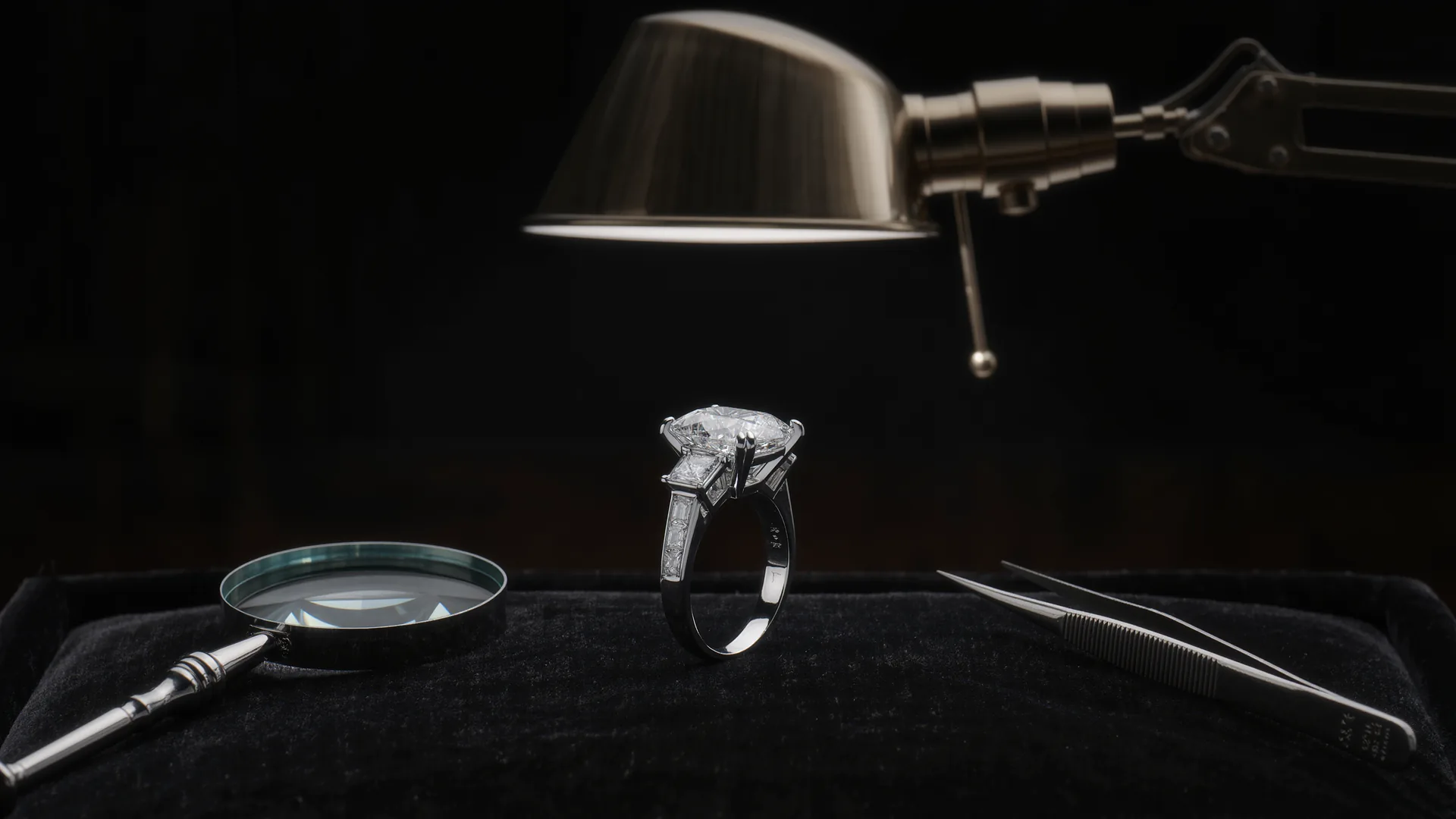
Jewellery is valued differently depending on the purpose: replacement value for insurance, market value for inheritance and division of an estate, and realisation value for a forced sale, and using the wrong figure either overpays premiums or overstates a tax base.
Keratin smoothing: what to know beforehand
A keratin smoothing treatment lasts between three and five months, and its critical point is the composition of the product, since European cosmetics rules limit free formaldehyde to 0,2 per cent.
Key holding and check-in services: what they cost
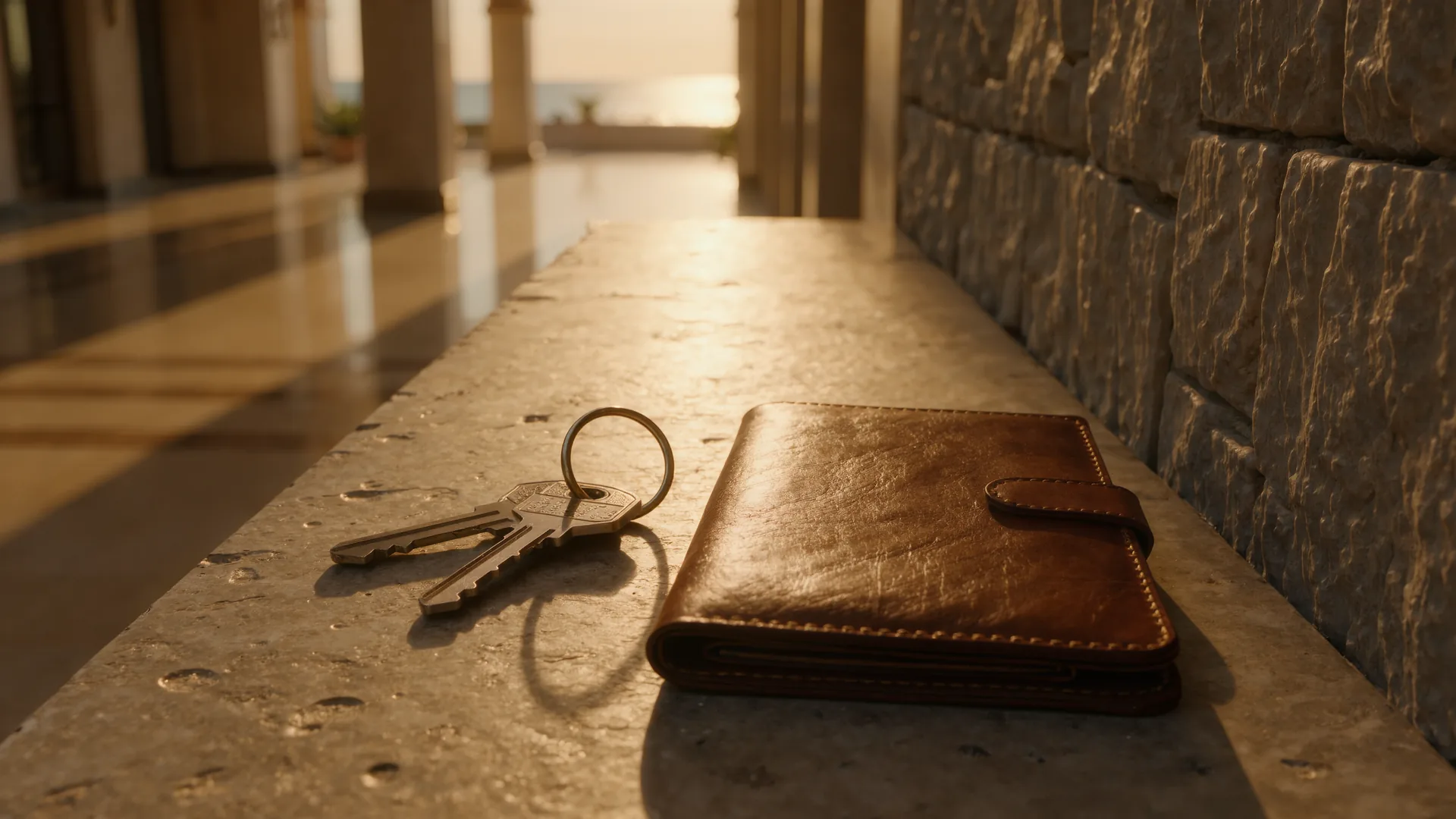
A key holding service costs between forty and one hundred and twenty euros a month as a retainer, with arrivals, contractor access and emergency call outs charged separately at twenty five to ninety euros per visit.
Laser hair removal: how many sessions are needed
A full course requires six to ten sessions spaced four to eight weeks apart, because the laser only destroys follicles in the active growth phase and only a proportion of the hair is in that phase at any moment.
Lash lift: how long it lasts and the aftercare
A lash lift lasts six to eight weeks, which is the renewal cycle of the natural lash, and unlike extensions it adds no hair but curls and lifts what is already there.
Life cover with a Spanish mortgage: what is compulsory
A Spanish lender may require insurance covering the property against damage, but it cannot compel a borrower to take life or payment protection cover, nor to buy any policy from the lender itself.
Limescale and appliances: the real cost
Limescale acts as a thermal insulator on heating elements, so the appliance needs more time and more energy to reach the same temperature, and that extra consumption grows with the thickness of the deposit.
Limited edition prints: what the numbers mean
The fraction written on the margin of a print gives the number of that impression and the total size of the edition, so 12 of 50 means the twelfth impression of an edition of fifty, and the smaller the edition the higher the value per impression.
Local search for a Mallorca business: what to fix first
In local search the priority is a complete and verified business listing, followed by consistency of name, address and telephone everywhere the business appears, and then a steady flow of reviews and content written per service and per area.
Long term rental contracts in Spain
A residential tenancy in Spain gives the tenant the right to extend annually up to five years where the landlord is an individual and seven where the landlord is a company, regardless of the term written into the contract.
Lymphatic drainage and pressotherapy: sessions and real effect
Lymphatic drainage and pressotherapy help venous and lymphatic return and ease the sensation of heaviness and mild fluid retention, but they do not reduce body fat and do not replace medical treatment.
Majorca pearls: what they are and what they are not
A Majorca pearl is a manufactured pearl produced on the island since the early twentieth century by building successive layers of nacreous essence onto a core, so it is neither a natural pearl nor one cultivated in a mollusc.
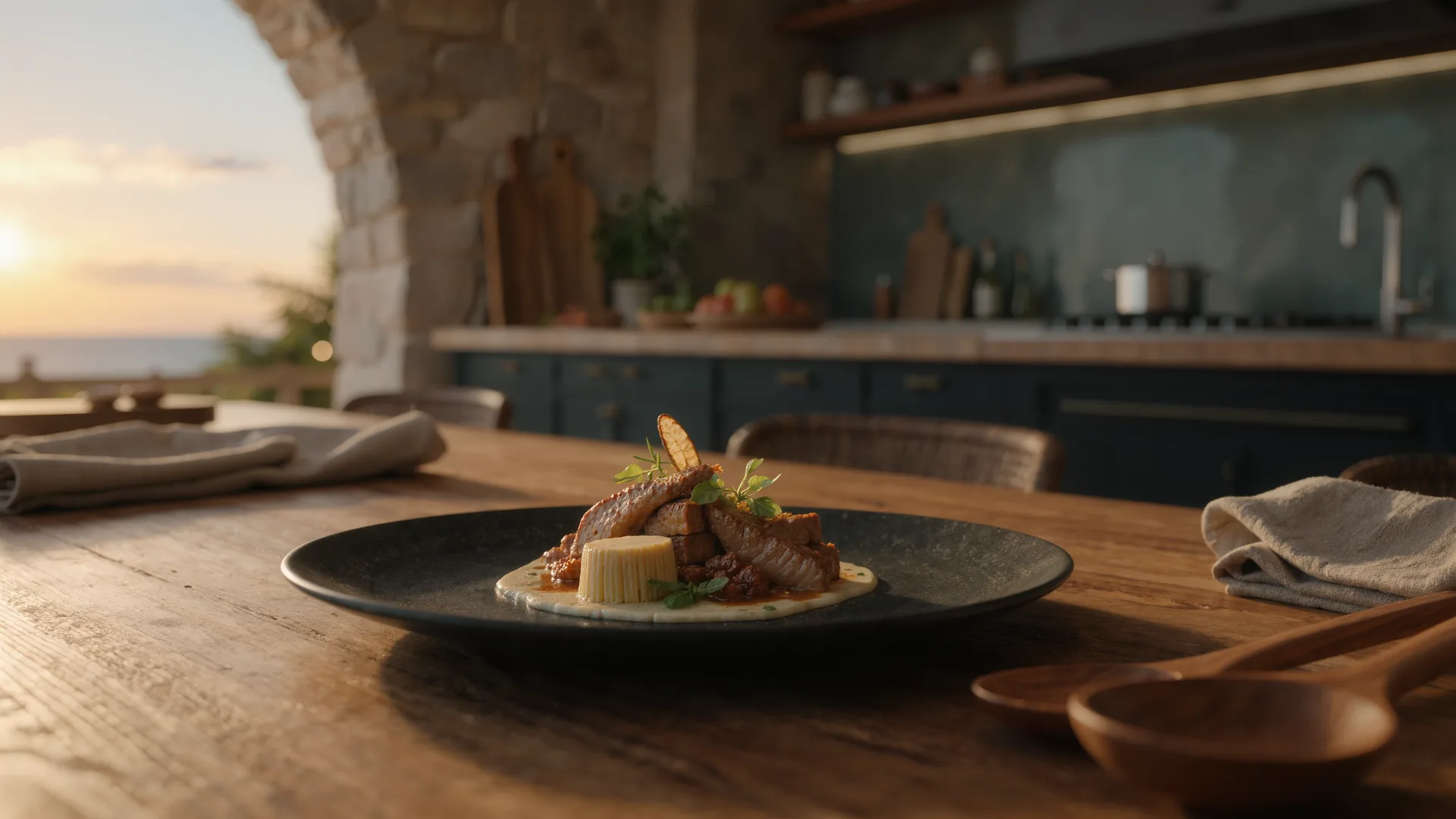
Mallorcan dishes: what to order and when
Mallorcan cooking is built around sobrassada, seasonal vegetables and pork, and its most recognisable dishes are tumbet, frit mallorquí, arròs brut, coca de trampó and the ensaïmada.
Managing reviews: asking, replying and disputing
Managing reviews rests on three habits: asking systematically at the end of the job, replying to every review within a few days, and disputing only those that breach the platform's policies rather than those that are simply unfavourable.
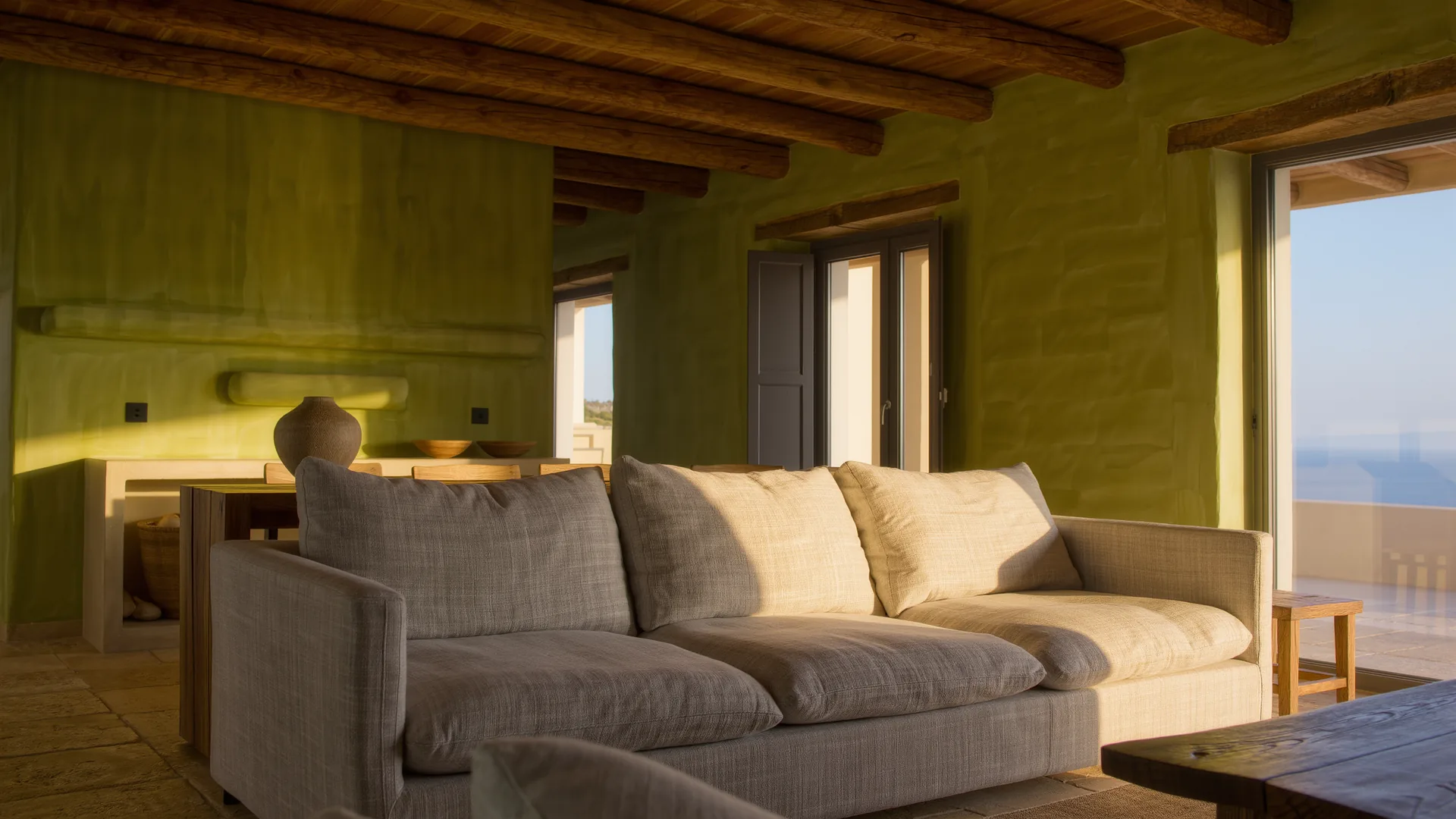
Marés stone: how to maintain it on the island
Marés is a highly porous calcareous sandstone, so maintaining it means controlling the entry of water and salt with a breathable water repellent, renewed every five to ten years depending on exposure.

Marketing agency fees: how they are calculated
Agency fees are structured in three ways: a monthly retainer for a defined scope, a fixed project fee with concrete deliverables, or a percentage of the advertising spend managed, and each suits a different kind of need.
Massage types compared
A relaxing massage uses light pressure and enveloping movements over the whole body, a deep tissue massage applies firm pressure to specific areas, a sports massage prepares for or recovers from effort, and lymphatic drainage uses very light rhythmic pressure.
Matriculation tax on boats: who pays it
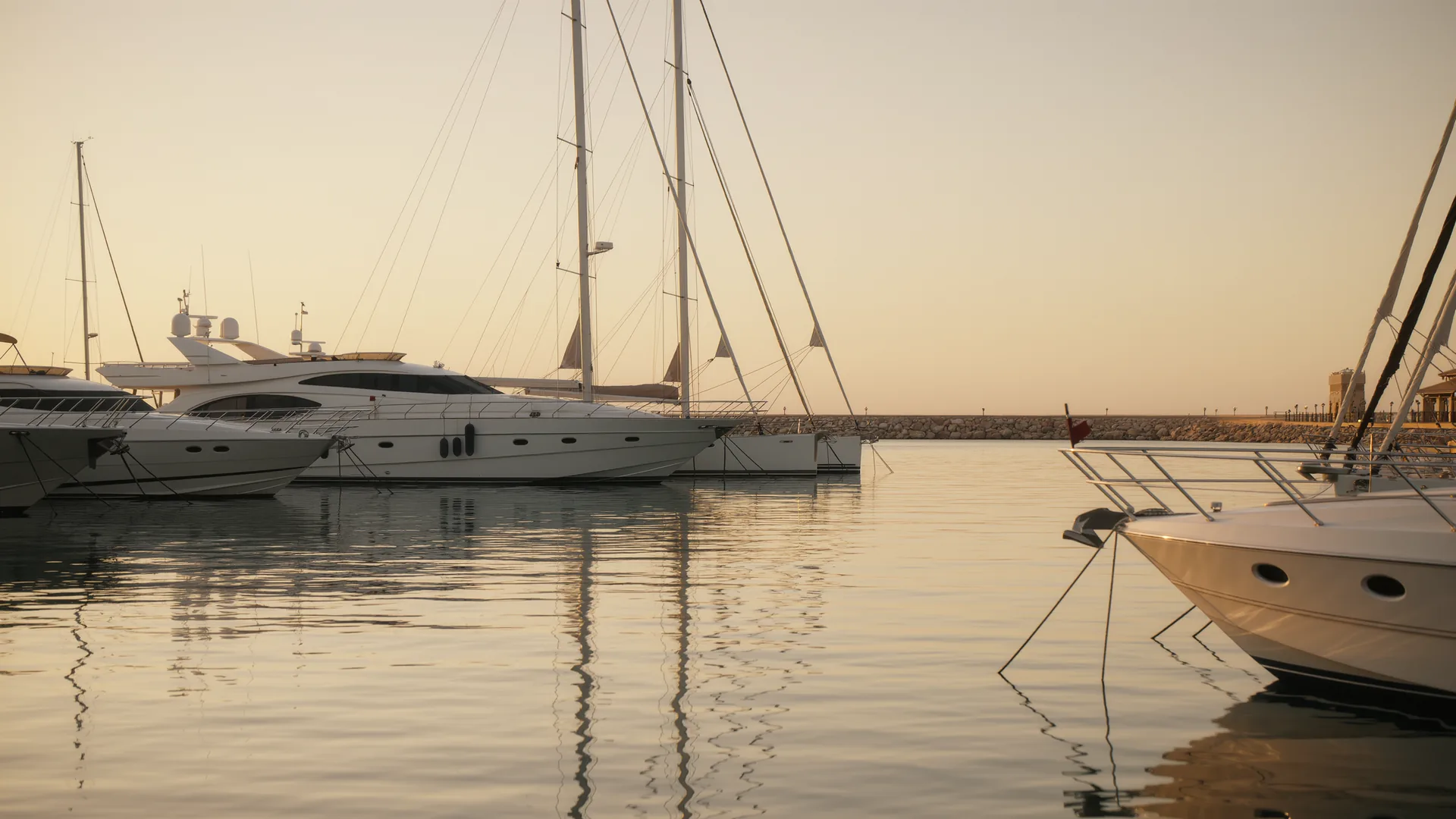
The special tax on certain means of transport applies to the first definitive registration in Spain of recreational vessels exceeding eight metres in length, with exemptions and non taxable cases set out in the legislation.

The medical certificate for a driving licence
The psychophysical aptitude report for a driving licence is obtained at an authorised driver assessment centre, costs between thirty and sixty euros including the administrative fee, and is completed in a single visit of about thirty minutes.
The menú del día: what is included
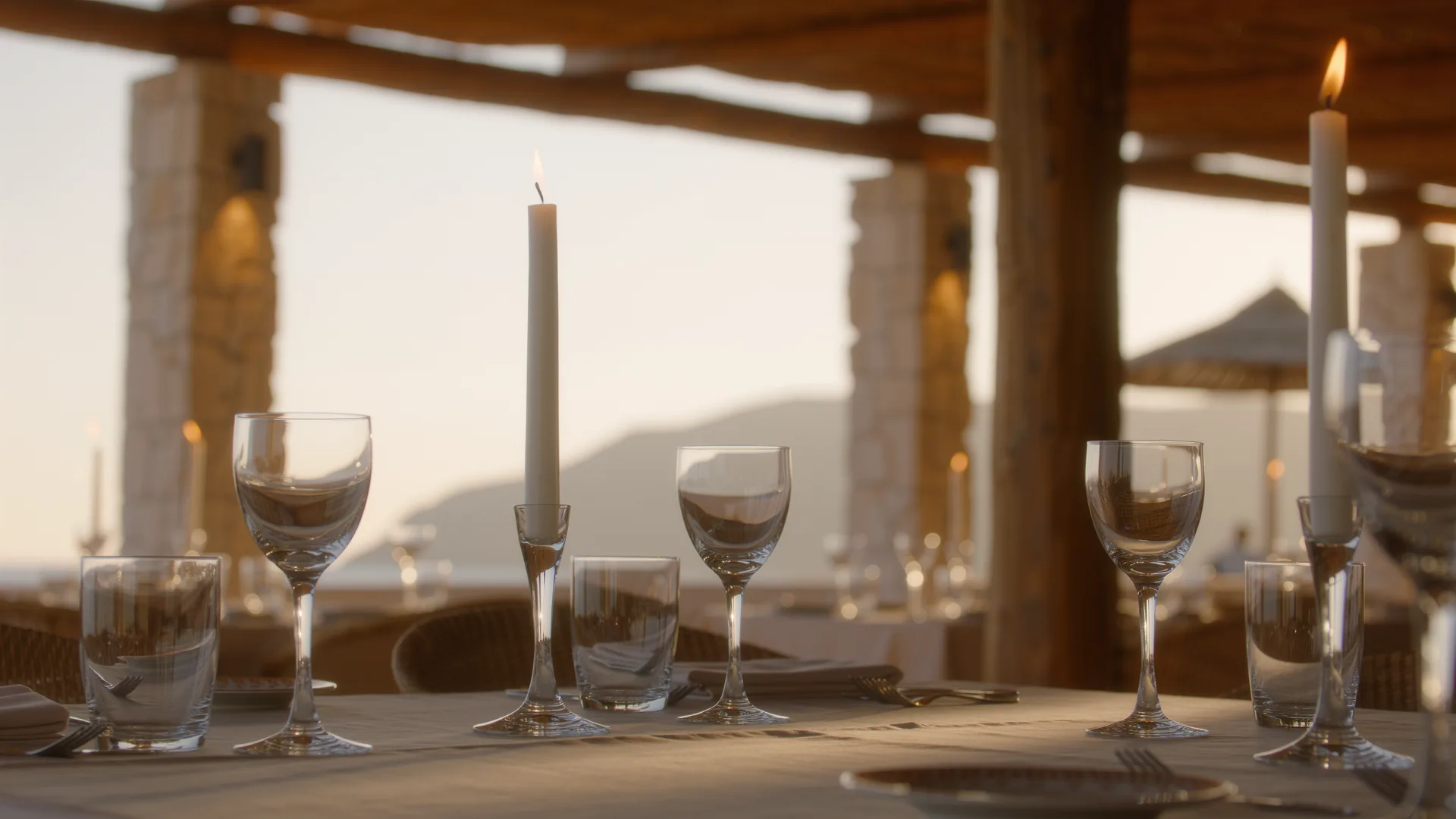
The menú del día is offered at a single announced price covering what the menu states, usually a first course, a main, dessert or coffee, bread and a drink, and any supplement must be shown in writing before you order.
Microblading: how long it lasts and the touch ups
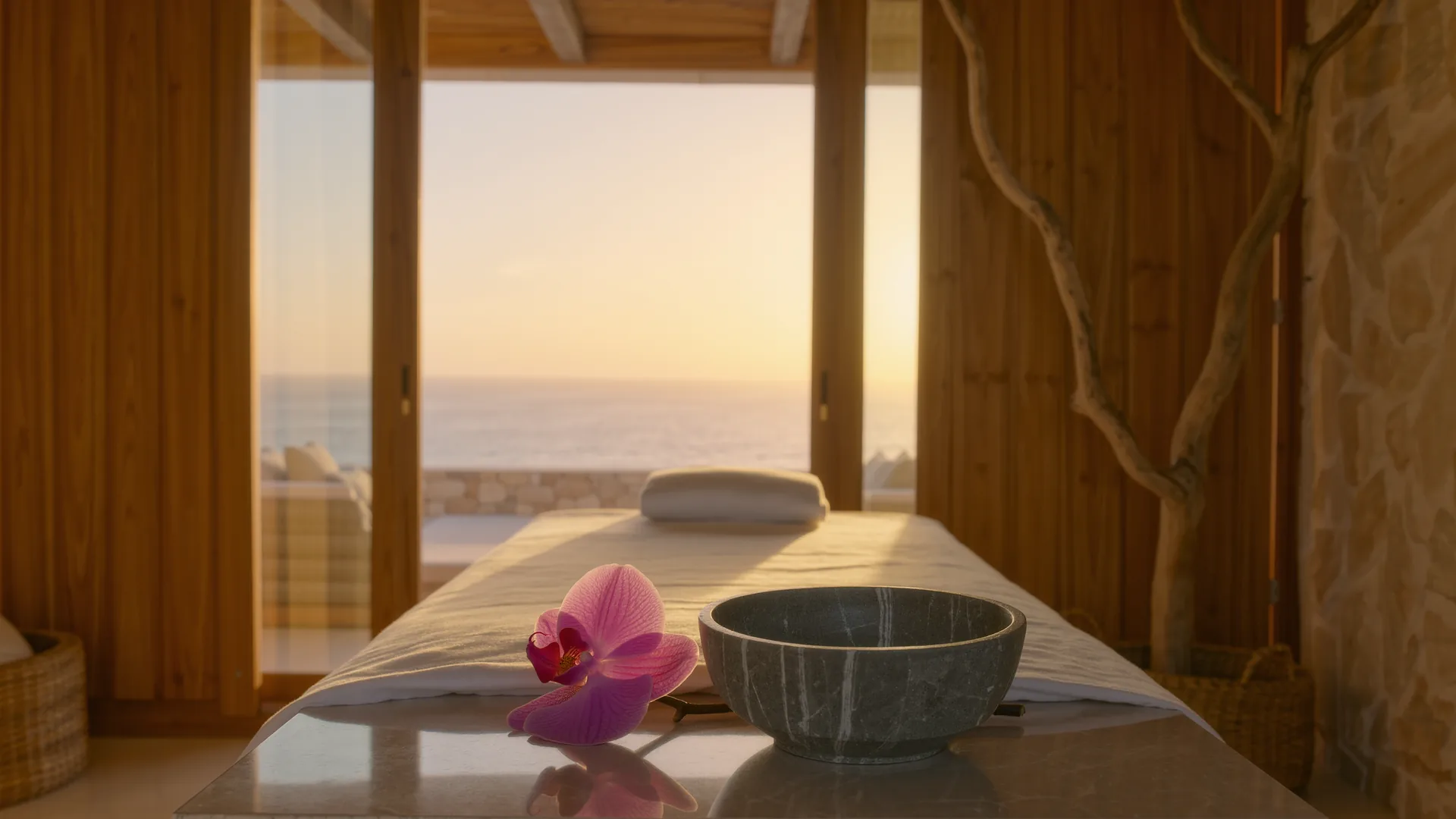
Microblading lasts between twelve and eighteen months depending on skin type and sun exposure, needs a first touch up four to six weeks afterwards which is normally included, and an annual maintenance session thereafter.
Microcement floors: upkeep and durability
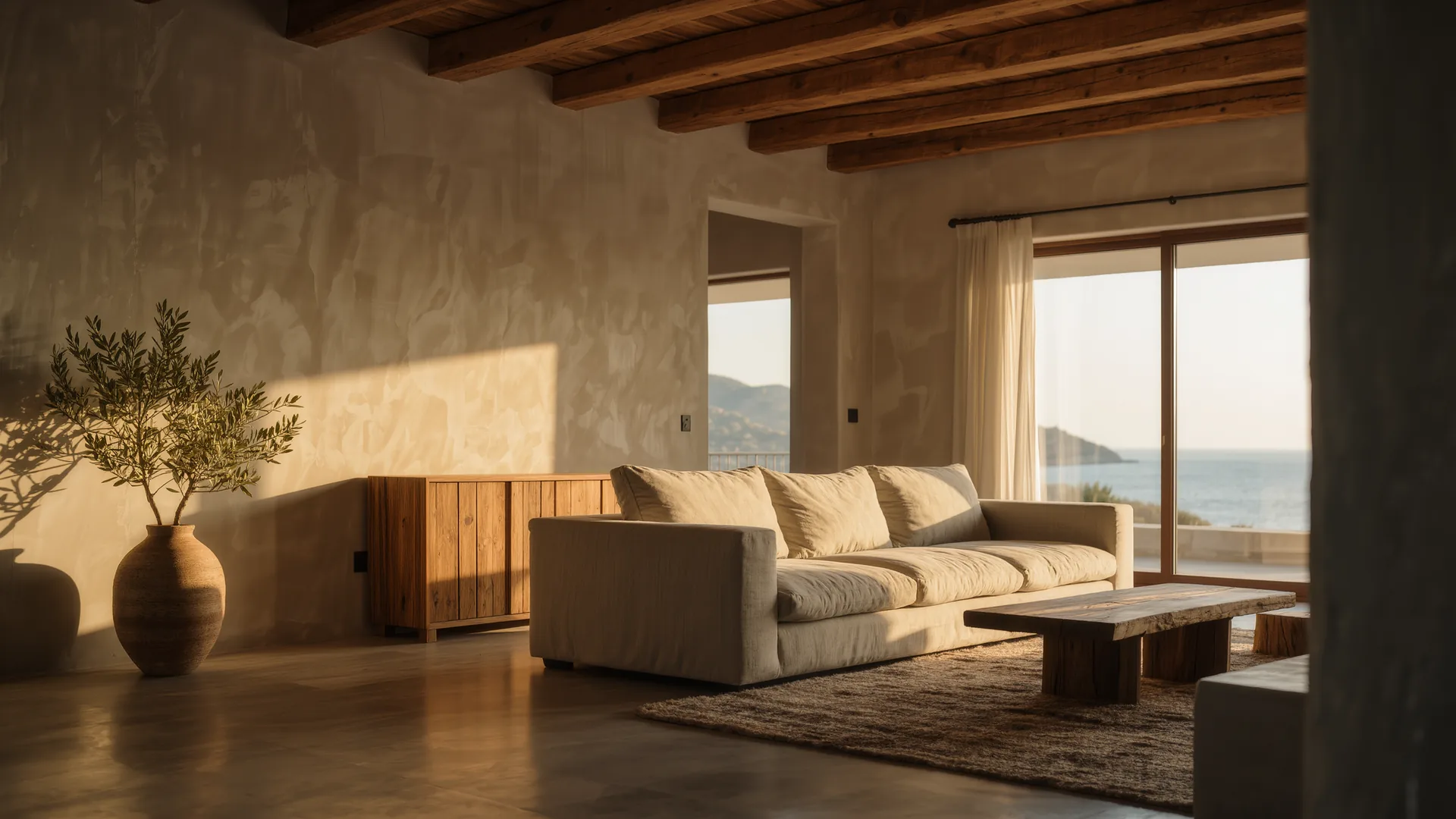
Microcement is applied in layers two to three millimetres thick over the existing substrate, and its durability depends entirely on the sealer, which must be renewed every three to five years in circulation areas and sooner in kitchens.
Modelo 210: the return every non-resident owner files
Modelo 210 is the Spanish non-resident income tax return, used for imputed income on a property kept for personal use, for rental income, and for the capital gain on a sale, with each owner filing separately for their own share.
Wet berth or dry storage: which suits which boat
Dry storage costs considerably less than a wet berth and eliminates fouling below the waterline, but it suits boats up to about nine metres and requires notice before every outing, which removes the possibility of a spontaneous trip.
Mortgages for non-residents in Spain
Spanish lenders typically finance up to sixty or seventy per cent of the lower of purchase price and valuation for non-residents, compared with up to eighty per cent for residents, which means a non-resident buyer needs roughly forty per cent of the price in cash once costs are included.
A multilingual website for a tourism business
For a tourism business on the island the languages that justify their cost are Spanish, English and German, with the decision resting on where enquiries actually come from rather than on how many languages competitors display.
The NIE number: what it is and how long it takes
The NIE is the foreigner identification number that Spain assigns for any economic, professional or social dealing in the country, and it is required before you can sign a property purchase, open a utility contract or file a tax return.
Non-resident income tax on a Spanish home
A non-resident who owns a Spanish property must file an annual return even when the property is never let, because the tax system attributes a notional imputed income to a second home that is available for the owner's own use.
The nota simple: what it shows and what it hides
The nota simple is an extract from the land registry showing who owns a property, how it is described, and what charges, mortgages or restrictions are recorded against it, but it does not confirm planning legality, debts to the community of owners or unregistered building work.
Notary and land registry fees when buying
Notary and land registry fees in Spain follow official scales based on the declared value of the property, so on a purchase between 200,000 € and 600,000 € the two together usually fall between 1,200 € and 3,000 €.

Open or closed kitchen in a renovation
An open kitchen gains light and space but demands a higher capacity extraction and a permanent discipline of tidiness, while a closed kitchen controls smoke, smells and noise at the cost of borrowing light from the rest of the home.

Returning a hire car out of hours: risks and charges
Returning a vehicle outside opening hours normally carries a service charge of twenty five to sixty euros and leaves the vehicle under the hirer's responsibility until it is inspected, which makes dated photographs the only available defence.
Outdoor furniture and salt air: what survives
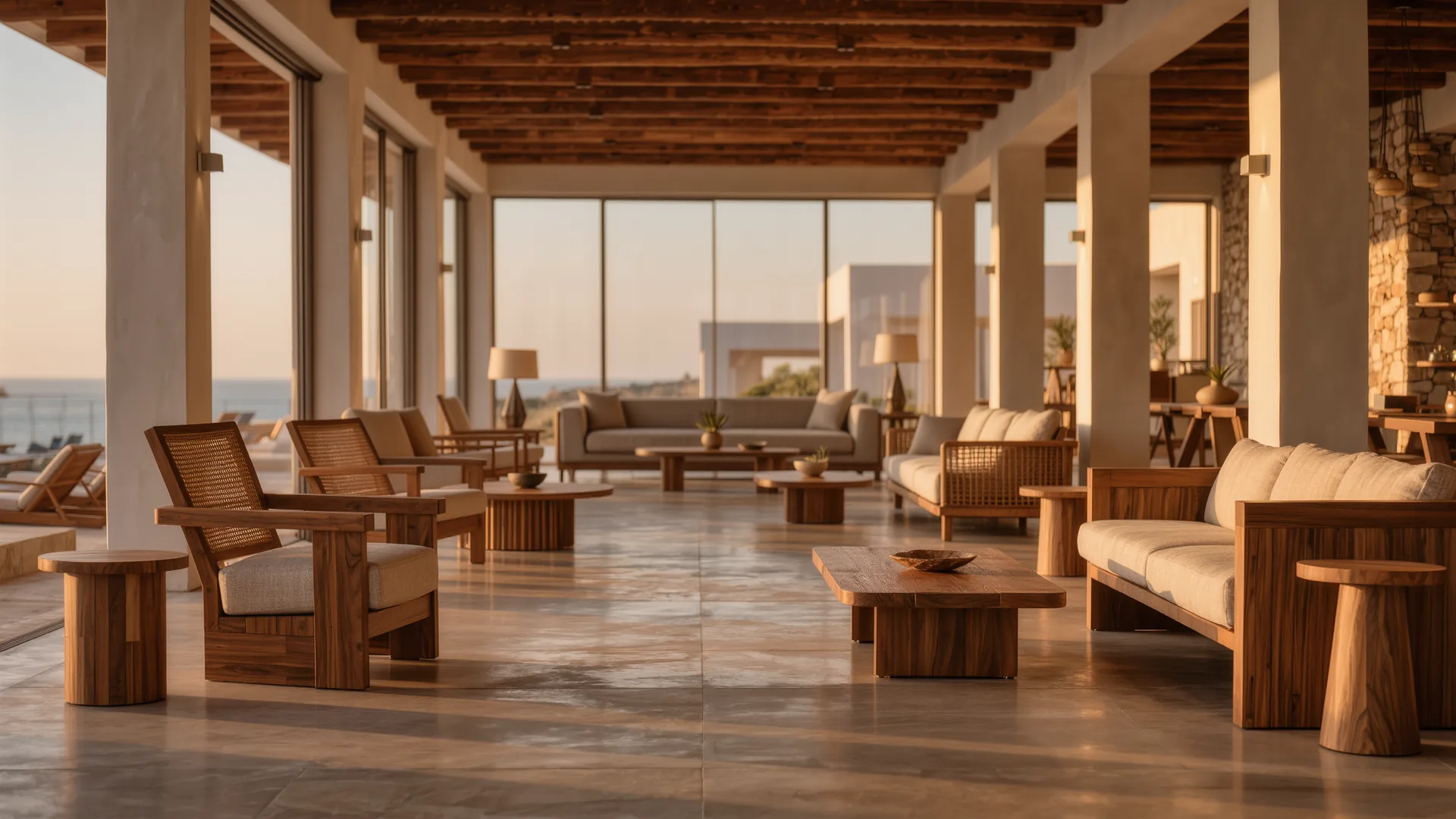
In a coastal setting the materials that last are aluminium with anti corrosion treatment, teak, polyethylene fibre and marine grade stainless steel, while painted iron and softwoods degrade within a few seasons.
Package holidays: the rights you have
A package holiday combines at least two travel services bought together and gives the traveller a single point of liability, protection against insolvency, and rights to price reduction or compensation where the services are not provided as agreed.
Starting padel: lessons, cost and first steps
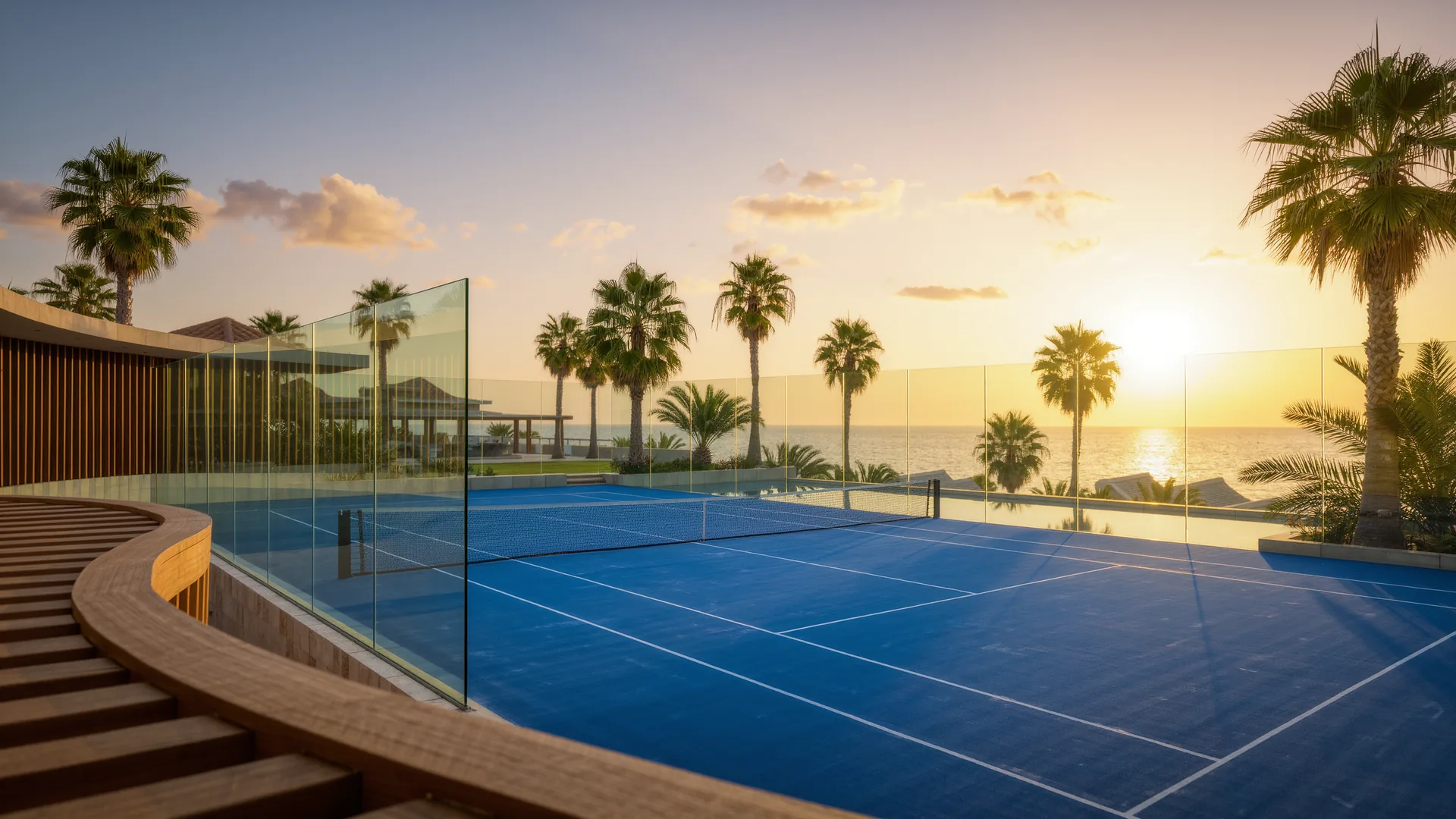
An individual padel lesson costs thirty to sixty euros an hour and a group of four costs twelve to twenty per person, with the frequency that produces sustained improvement being one lesson a week plus two matches.
Padel injuries: the common ones and how to avoid them
The most frequent padel injuries affect the elbow, the shoulder, the lower back and the calf or Achilles tendon, and most relate to inadequate warm up, unsuitable equipment and an absence of strength work off the court.
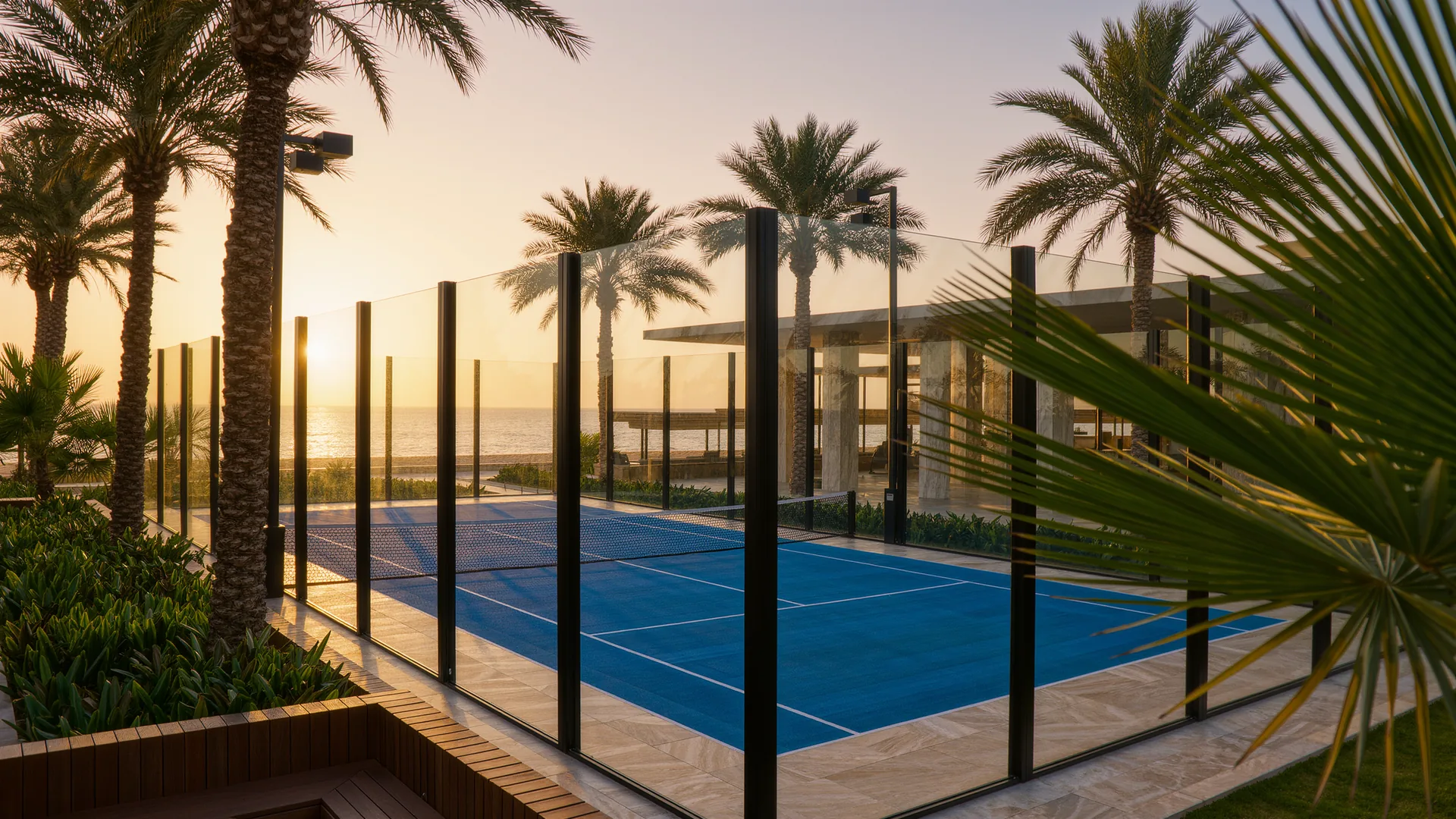
Padel ratings: working out your real level
Padel level is measured on a scale usually running from one to seven and is defined by what a player controls consistently under pressure, not by the best shot they have ever produced.
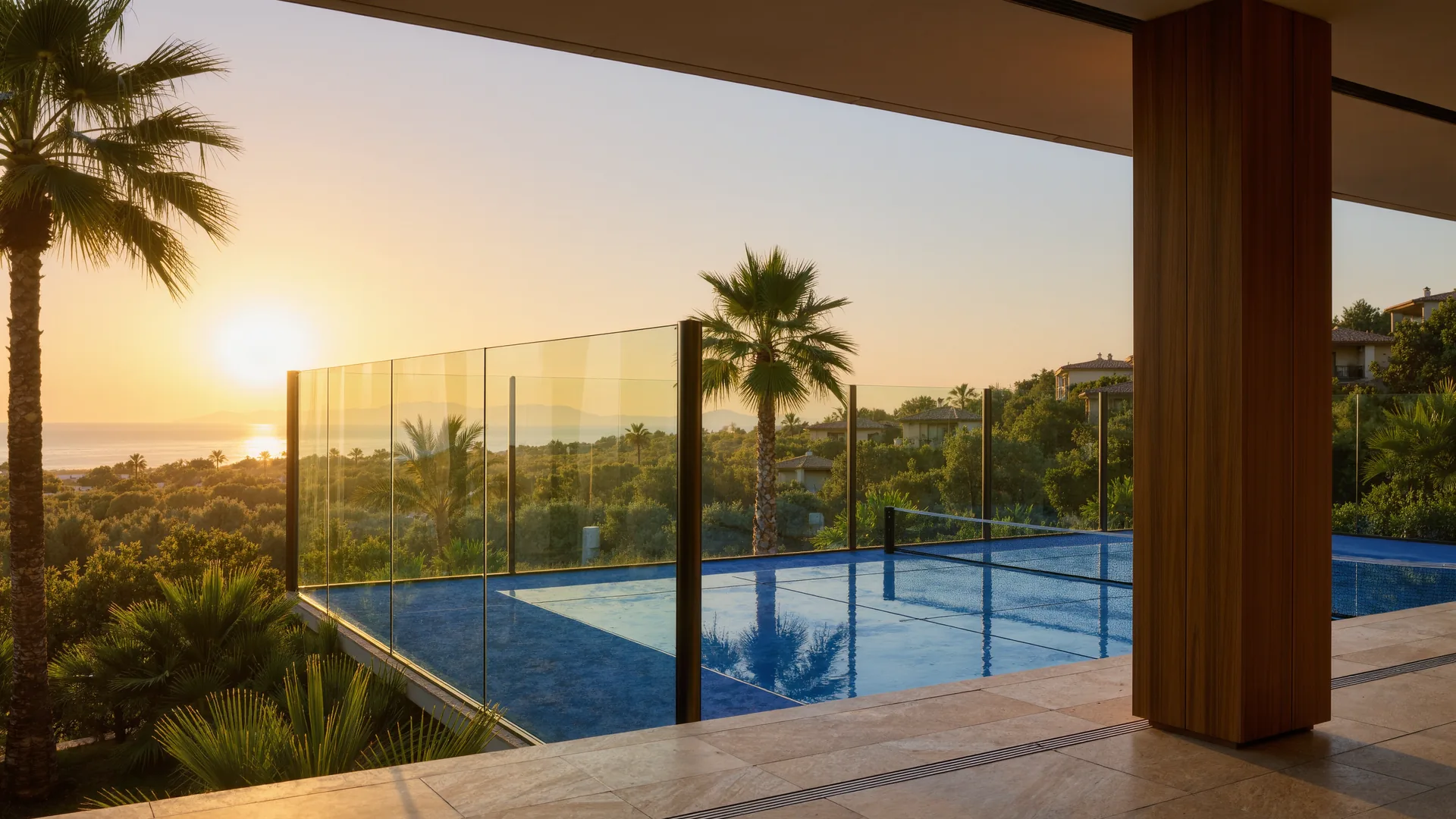
Padel tournaments: how the categories work
Tournaments group players into categories by level, usually from first to fifth or on a numeric scale, and by age, with formats combining group stages and a knockout draw depending on the number of pairs entered.

Parking in Palma: zones, tariffs and fines
In Palma a blue line means paid parking with a time limit open to any vehicle, a green line reserves spaces for residents at a reduced rate, and exceeding the time paid usually results in a penalty that can be cancelled by paying the excess within the first hour.
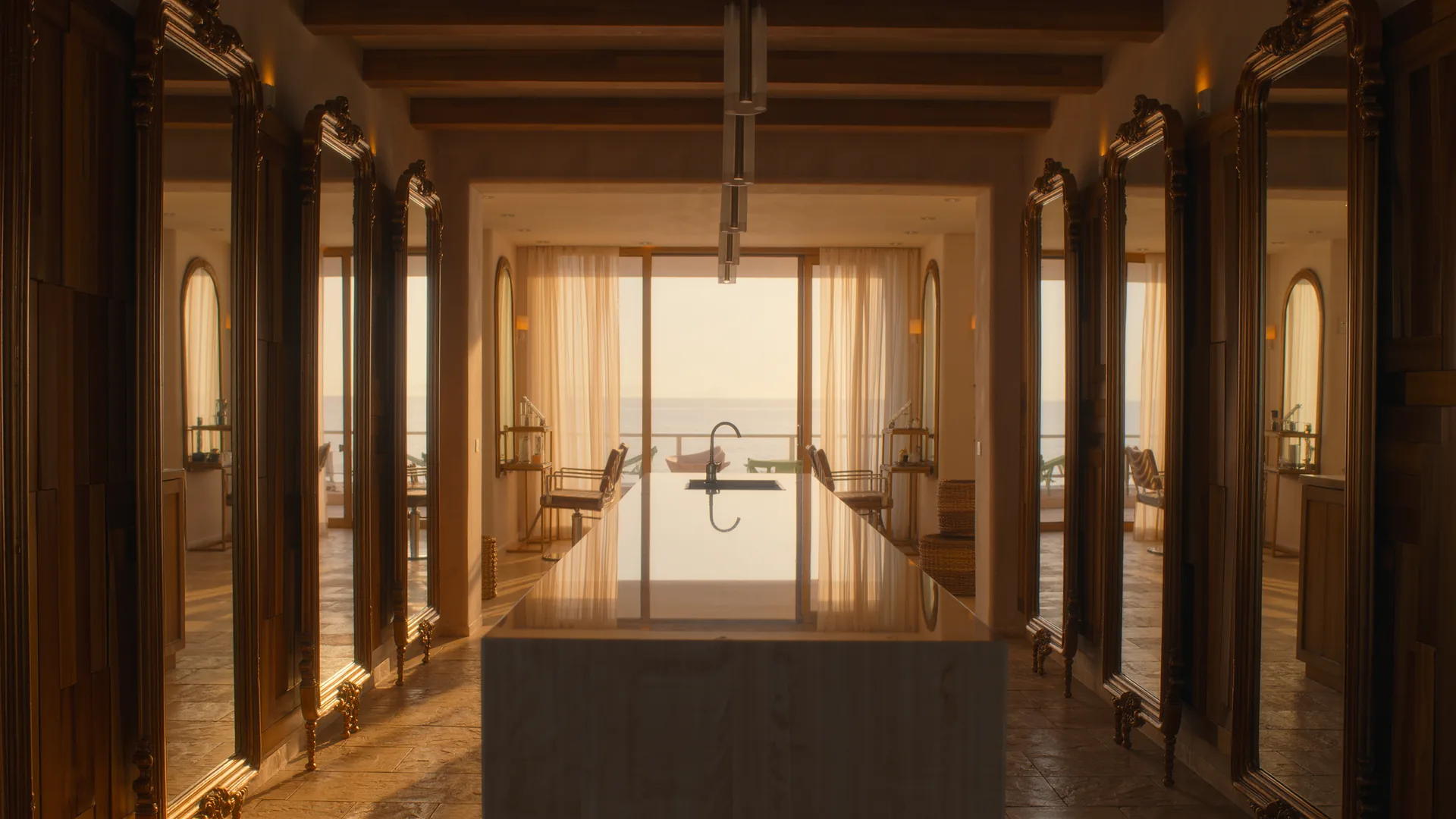
The patch test before hair colour: why it is done
The sensitivity test is carried out by applying a small amount of the product behind the ear or in the crook of the elbow forty eight hours before colouring, so that an allergic reaction is detected before the whole scalp is exposed.
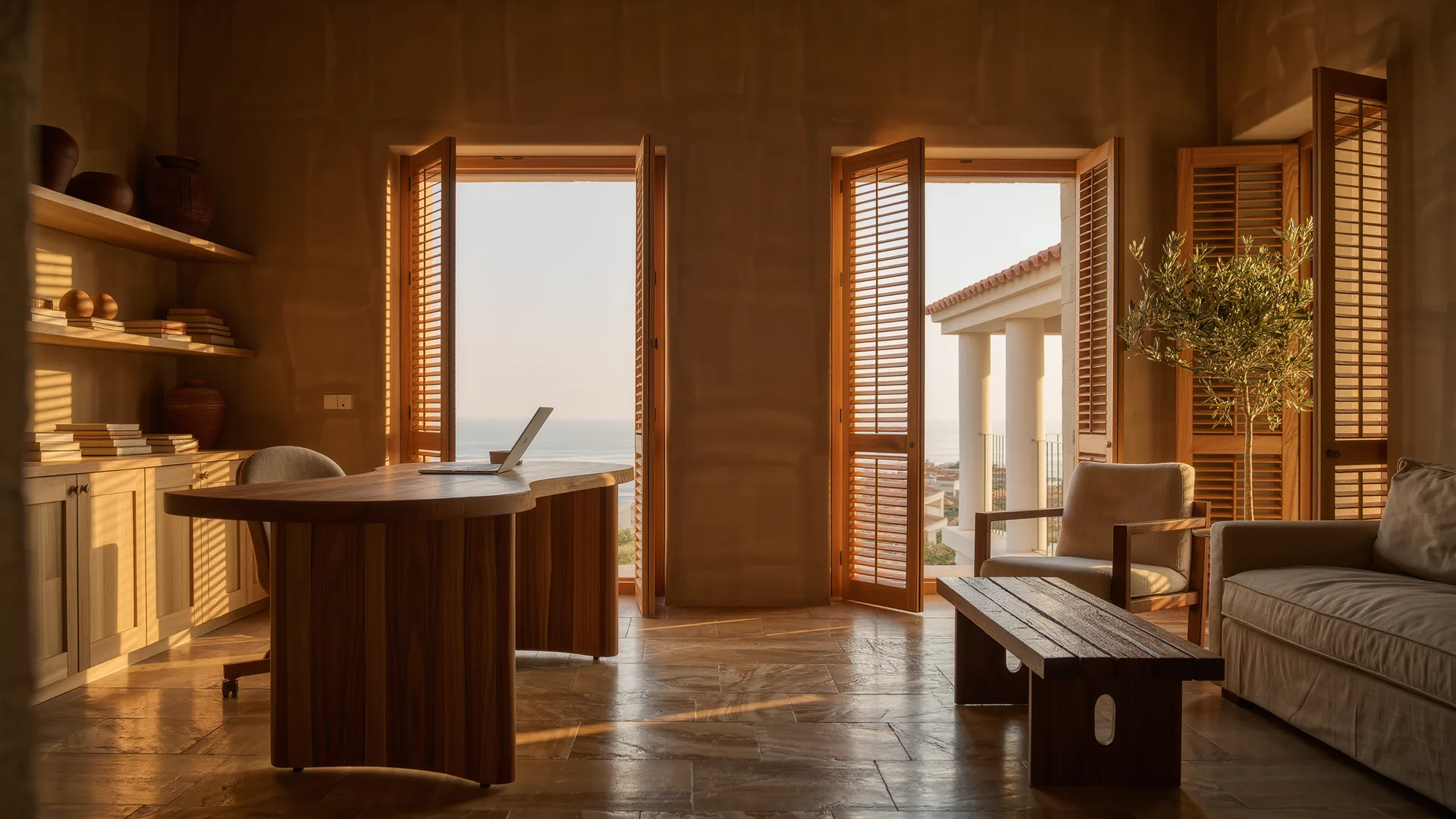
Physiotherapy: when to go and how many sessions
Most musculoskeletal problems respond within six to twelve sessions, and physiotherapy is warranted when pain persists beyond two weeks, limits daily activity or recurs repeatedly.
Plusvalía tax on a sale: who pays it
Plusvalía is a municipal tax on the increase in the value of urban land during the period of ownership, and it is paid by the seller, who may choose between two calculation methods and owes nothing at all where no gain arose.
Buying by power of attorney from abroad
A power of attorney granted before a notary allows a lawyer in Spain to obtain your NIE, open a bank account and sign the purchase deed on your behalf, and it can be granted abroad provided it is apostilled and accompanied by a sworn translation.
Prescriptions in Spain for visitors and new residents
A prescription issued in another EU member state can be dispensed in Spain if it follows the cross border format, which requires the medicine to be identified by its international non-proprietary name rather than by a brand name alone.
Private blood tests: what each panel costs
A basic private blood panel covering full blood count, glucose, lipids, kidney and liver function costs between thirty and sixty euros, with results usually available within twenty four to seventy two hours.
Private or public healthcare in Mallorca: times and costs
The main difference between private and public healthcare in Spain is access time rather than clinical quality, since a private specialist appointment is available within days while the public route can take weeks or months depending on the speciality.
What property management costs on the island
Property management on the island is priced in three distinct ways: a fixed monthly retainer for caretaking an empty home, a percentage of rent for a long term let, and a higher percentage of turnover for a holiday let with guest handling.
Public liability insurance for the self-employed in Spain
Public liability cover for the self-employed in Spain divides into operating liability for damage caused to third parties during the activity, employer liability for harm to your own workers, and professional liability for financial loss caused by an error in advice or design.

Registering a boat in Spain: taxes and formalities
Registering a boat in Spain means entering it in the register of ships in the list corresponding to its use, paying the special registration tax where applicable, and settling transfer tax on a purchase between private individuals.
Registering with a doctor in Mallorca
Registering for healthcare in Mallorca requires first being registered at the town hall, then applying to the regional health service with proof of entitlement, after which an individual health card is issued and a health centre and named practitioner assigned.
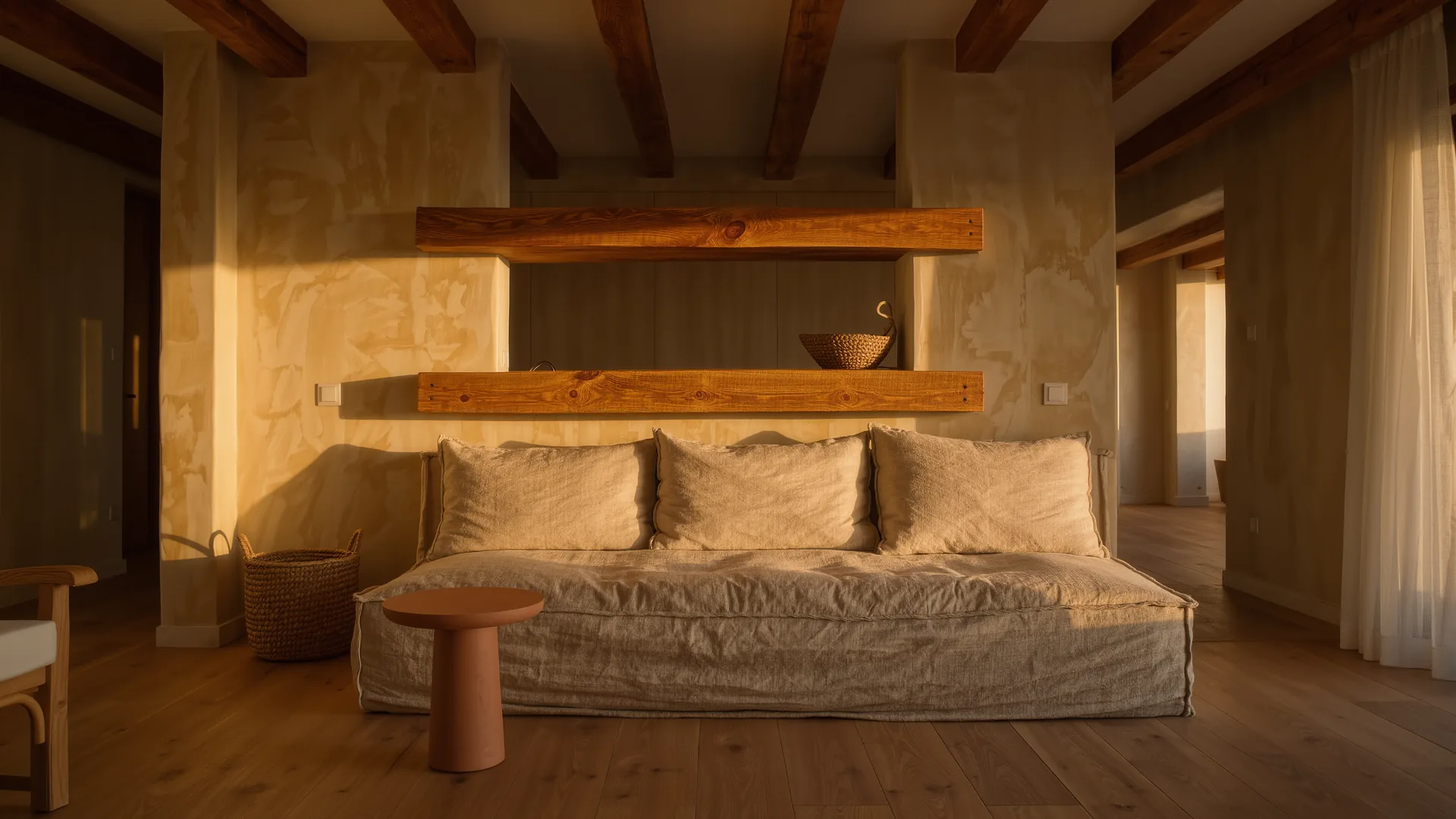
Renovating a flat in Mallorca: price per square metre
A partial renovation runs between four hundred and seven hundred euros a square metre, a full renovation between seven hundred and eleven hundred, and a full renovation to a high specification can exceed fourteen hundred euros a square metre.
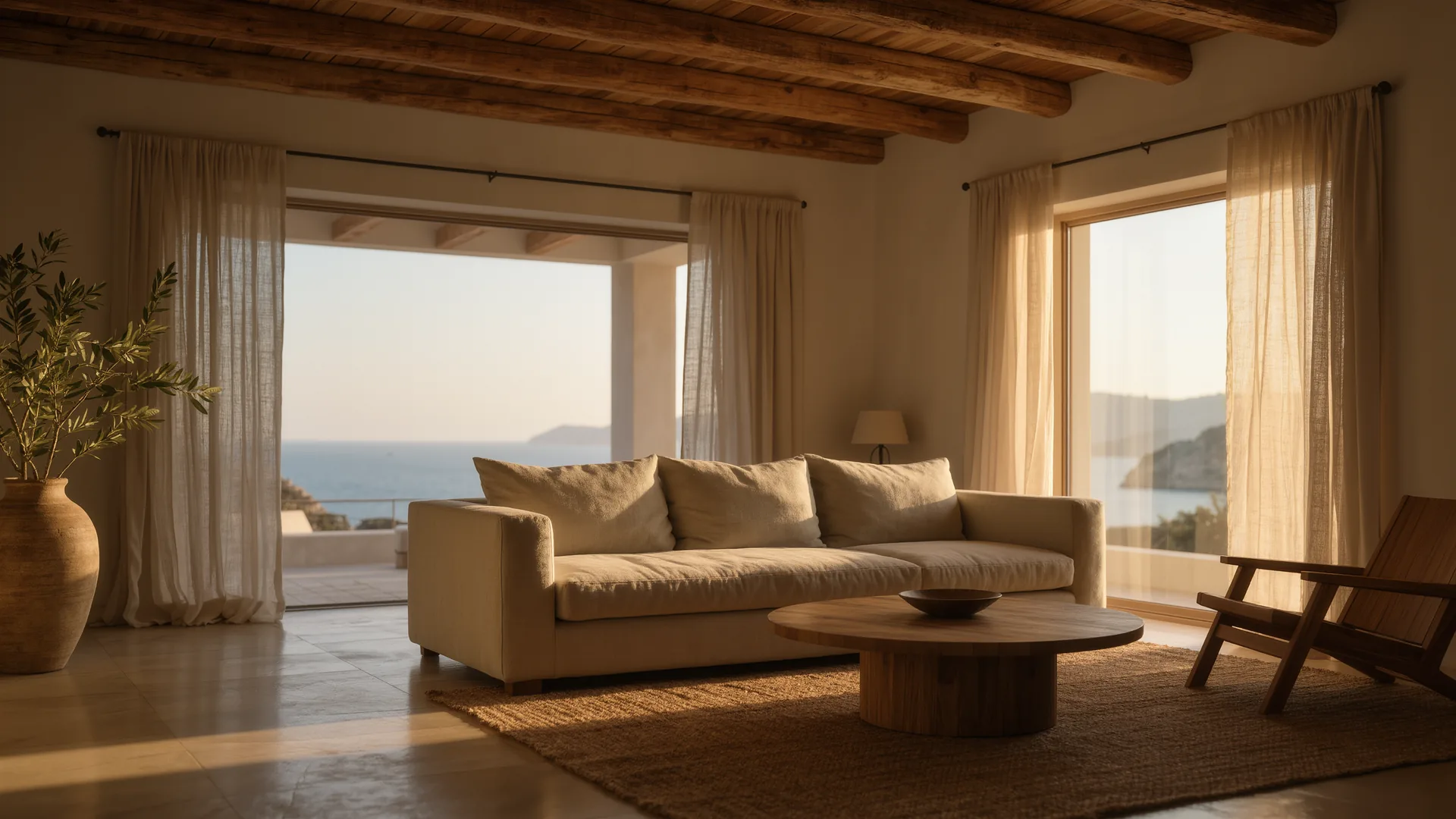
Renovation quotes: the line items that must appear
A comparable renovation quote is organised by chapters with a measurement and a unit price on every line, so that two offers can be compared metre by metre rather than as two global figures.
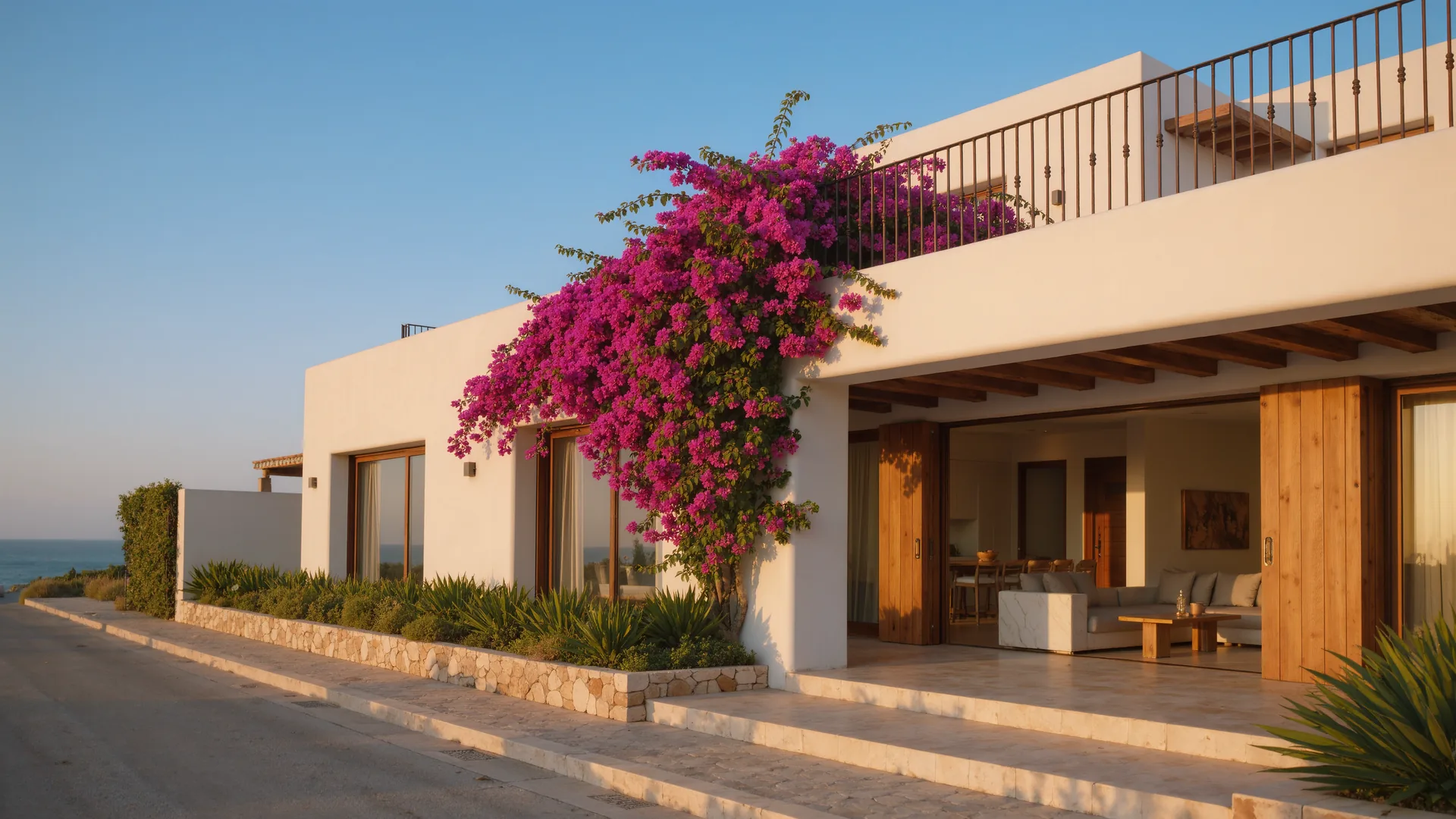
Rent guarantee insurance: cover and cost
Rent guarantee insurance pays the landlord the rent that a tenant fails to pay, normally for a period of six to twelve months, and covers the legal costs of recovering possession, in exchange for a premium of around four to six per cent of the annual rent.
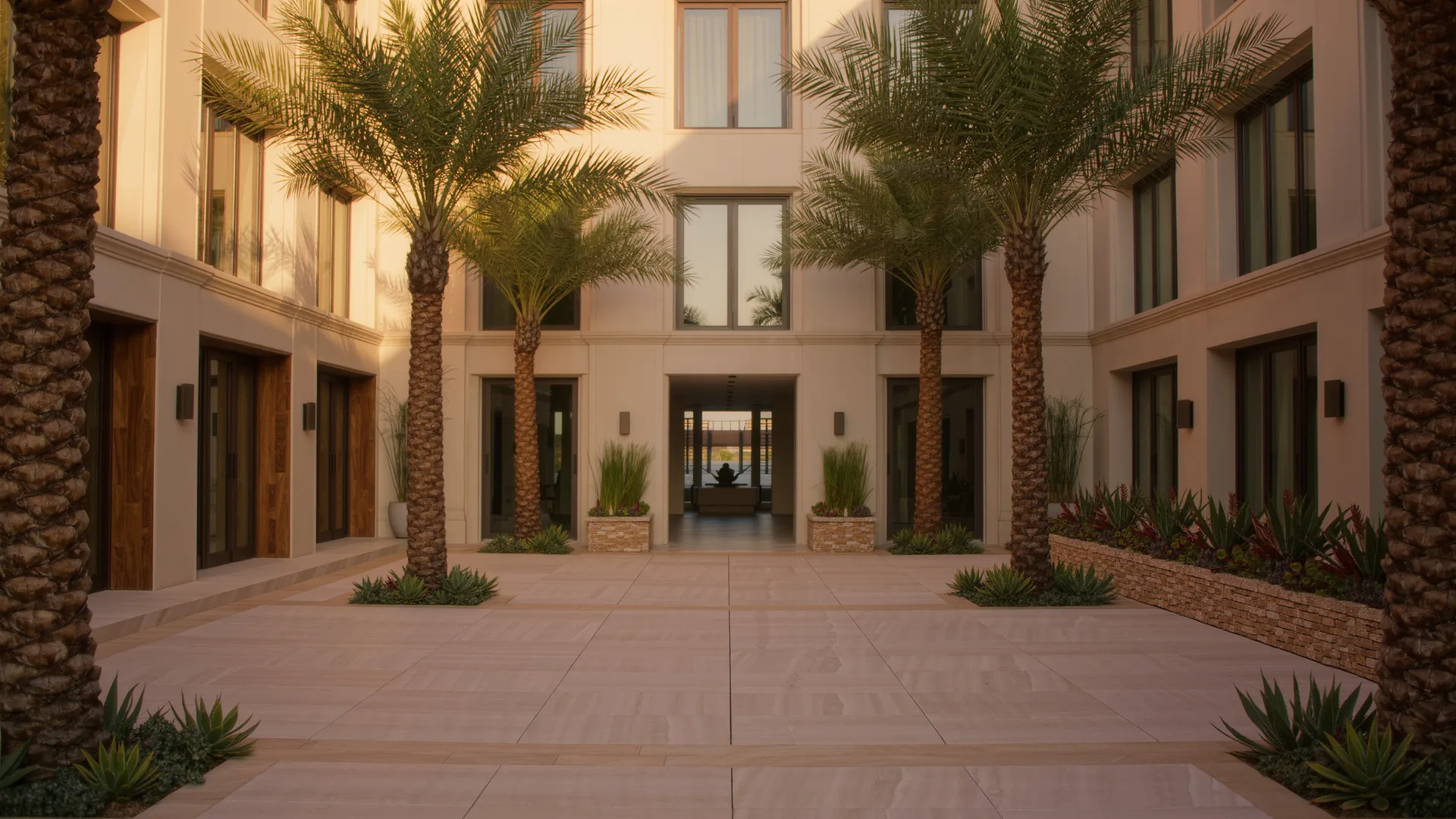
Rental deposits in Spain: how much and where they go
The legal deposit for a residential letting in Spain is one month's rent and for a commercial letting two months, and the landlord must lodge it with the regional housing body rather than hold it personally.
The community reserve fund: the legal minimum
Spanish law requires every community of owners to maintain a reserve fund of at least ten per cent of its most recent ordinary annual budget, held to meet conservation and repair works on the building.
Reverse osmosis: what it removes and what it does not
Reverse osmosis forces water through a semipermeable membrane that retains most dissolved salts, heavy metals and organic compounds, but it also removes beneficial minerals and produces a reject stream that goes to drain.

Ring sizes: converting between countries
The Spanish ring size equals the internal circumference of the ring in millimetres minus forty, so a band of fifty two millimetres circumference is a Spanish size twelve, a US size six and a UK size L and a half.
Root canal treatment in Spain: cost and sessions
Root canal treatment costs between one hundred and twenty and three hundred and fifty euros depending on the number of canals in the tooth, is usually completed in one or two sessions, and on back teeth requires a crown afterwards to prevent fracture.
Buying rustic land in Mallorca: the limits
On rustic land in Mallorca what may be built depends on the plot's classification and its size, with minimum plot areas required before any dwelling is permitted and stricter or absolute restrictions applying on protected land.

Running a sailing yacht: the annual spend
A sailing yacht adds the upkeep of its rig to the maintenance any boat needs, with sails lasting eight to twelve seasons, standing rigging replaced every ten to fifteen years and an annual inspection of fittings and running rigging.
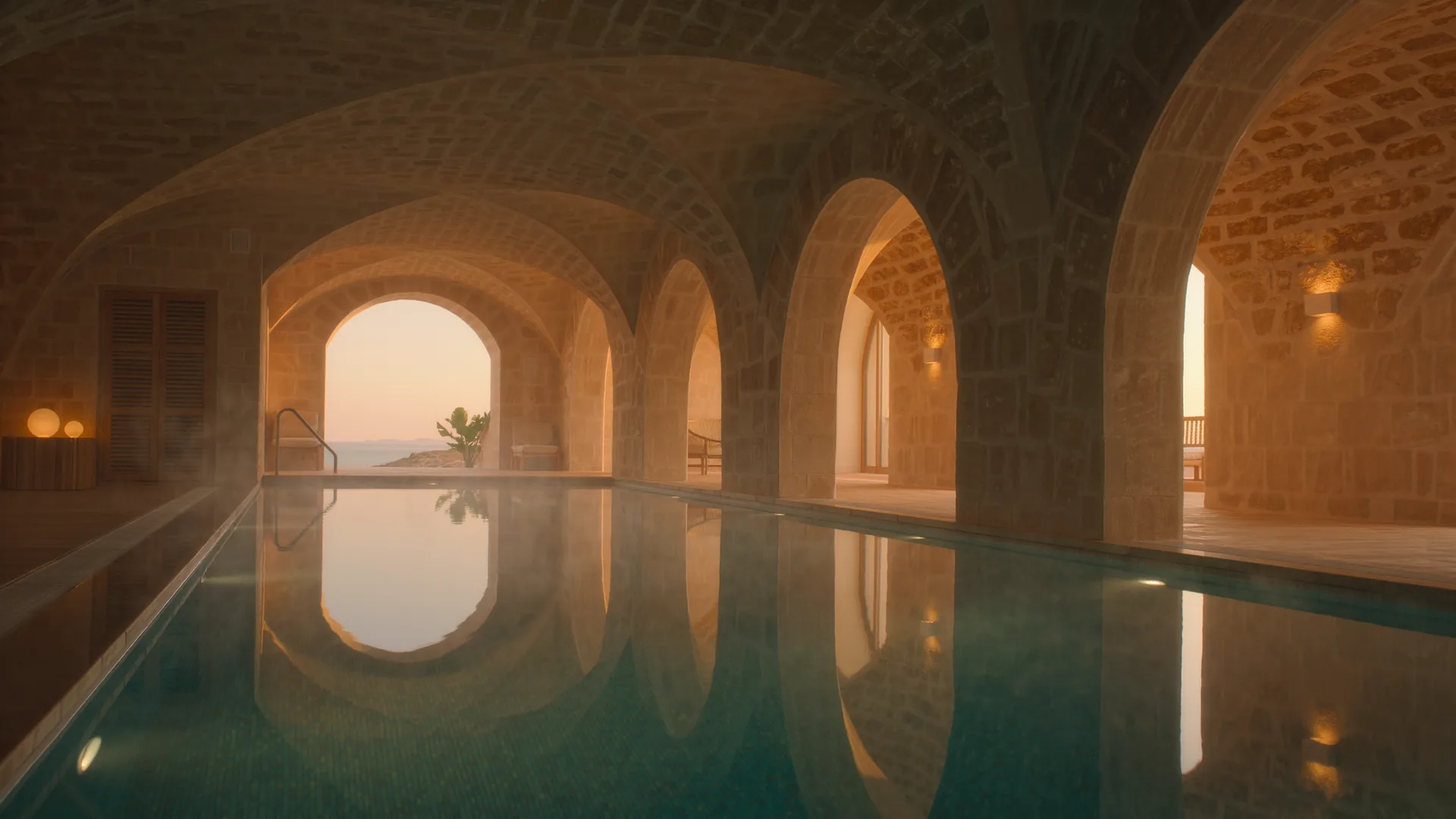
Sauna: temperature, time and the contrast
A Finnish sauna runs between eighty and one hundred degrees with very low humidity, in sessions of eight to fifteen minutes followed by cooling and rest, and that cycle is normally repeated two or three times.

The advertising calendar for a seasonal island business
On an island with a marked season the advertising calendar runs ahead of the visitor calendar, because most bookings are made two to five months before arrival, so the heaviest spend falls between January and April rather than in July.
Insuring a second home you rarely use
A second home used a few weeks a year needs the unoccupancy pattern declared to the insurer, because most policies restrict or exclude cover once a property has been continuously empty for a stated period, commonly thirty to sixty days.

Selling a home in Spain: the taxes you meet
A seller in Spain faces capital gains tax on the profit, municipal plusvalía on the increase in land value, and, if not resident, a 3 per cent retention of the price that the buyer pays to the tax office on account of the gain.
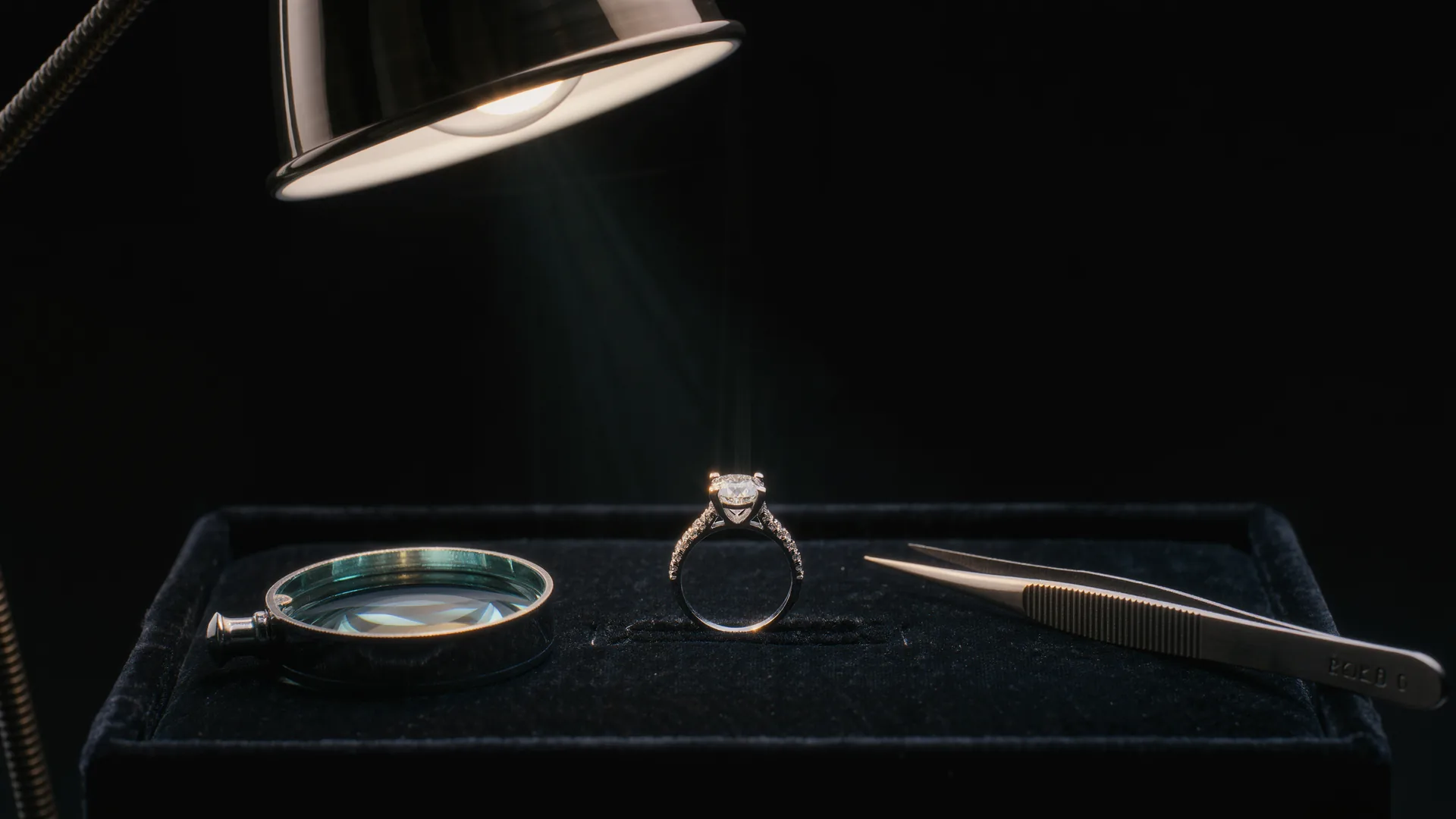
Selling gold in Spain: what you get per gram
The price paid per gram is the international spot price of pure gold multiplied by the fineness of the piece, less the buyer's margin, which typically runs between ten and thirty per cent depending on the establishment.
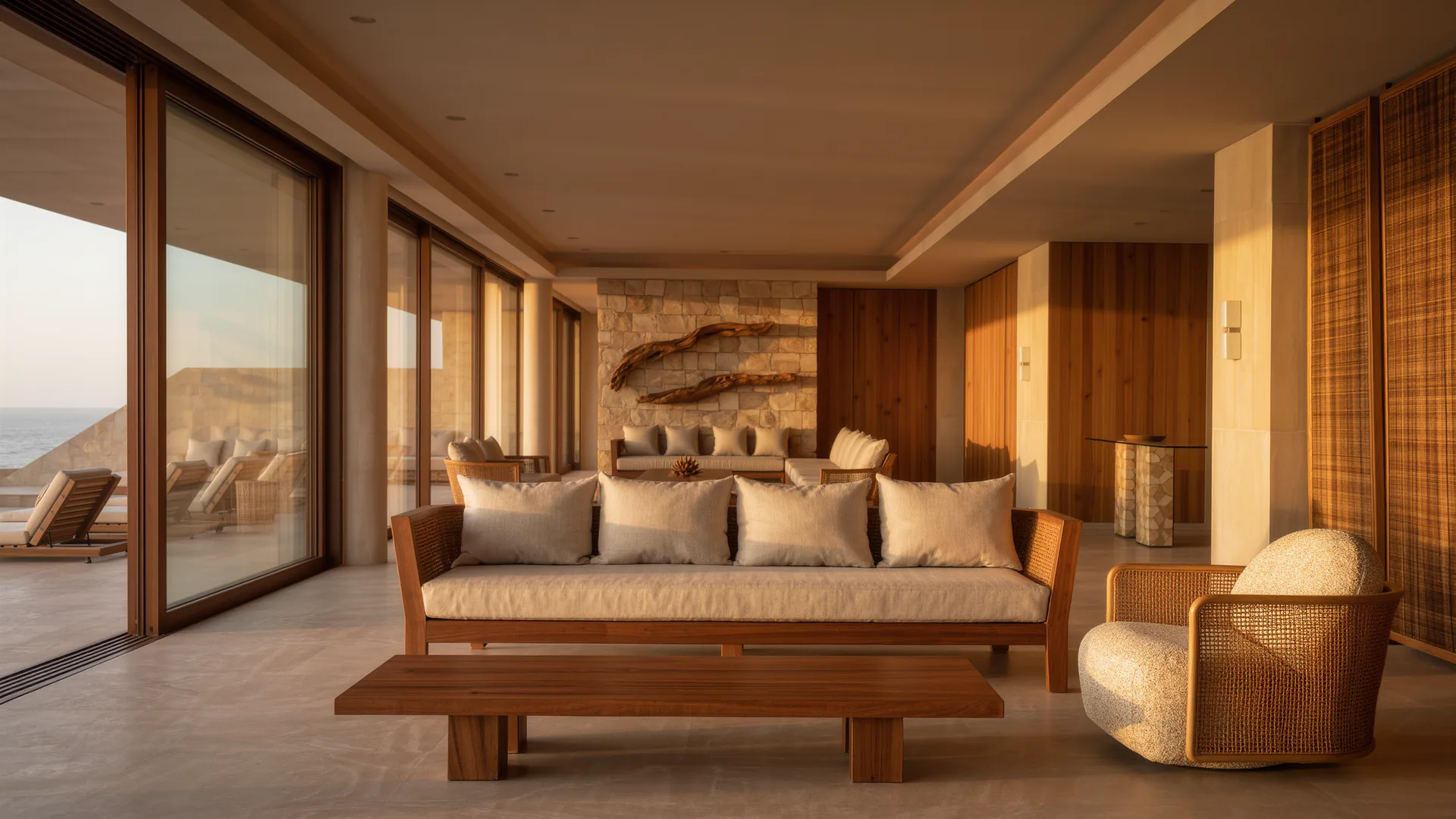
Sofa fabrics compared: what lasts
Upholstery durability is measured in abrasion cycles, and for a sofa in daily use the figure should not fall below thirty thousand, a specification the retailer should be able to provide alongside the rest of the technical data.
Softener salt: consumption and cost
A household of four people with hard water uses between one hundred and two hundred kilos of salt a year, which represents a cost of thirty to one hundred and twenty euros depending on format and where it is bought.
Solid wood or veneer: telling them apart
Solid wood is made of timber through its full thickness, while veneered furniture is a board of chipboard or fibreboard faced with a thin layer of natural wood, and the two are told apart by looking at the edge and at how the grain continues.
Spa treatments: the basics explained
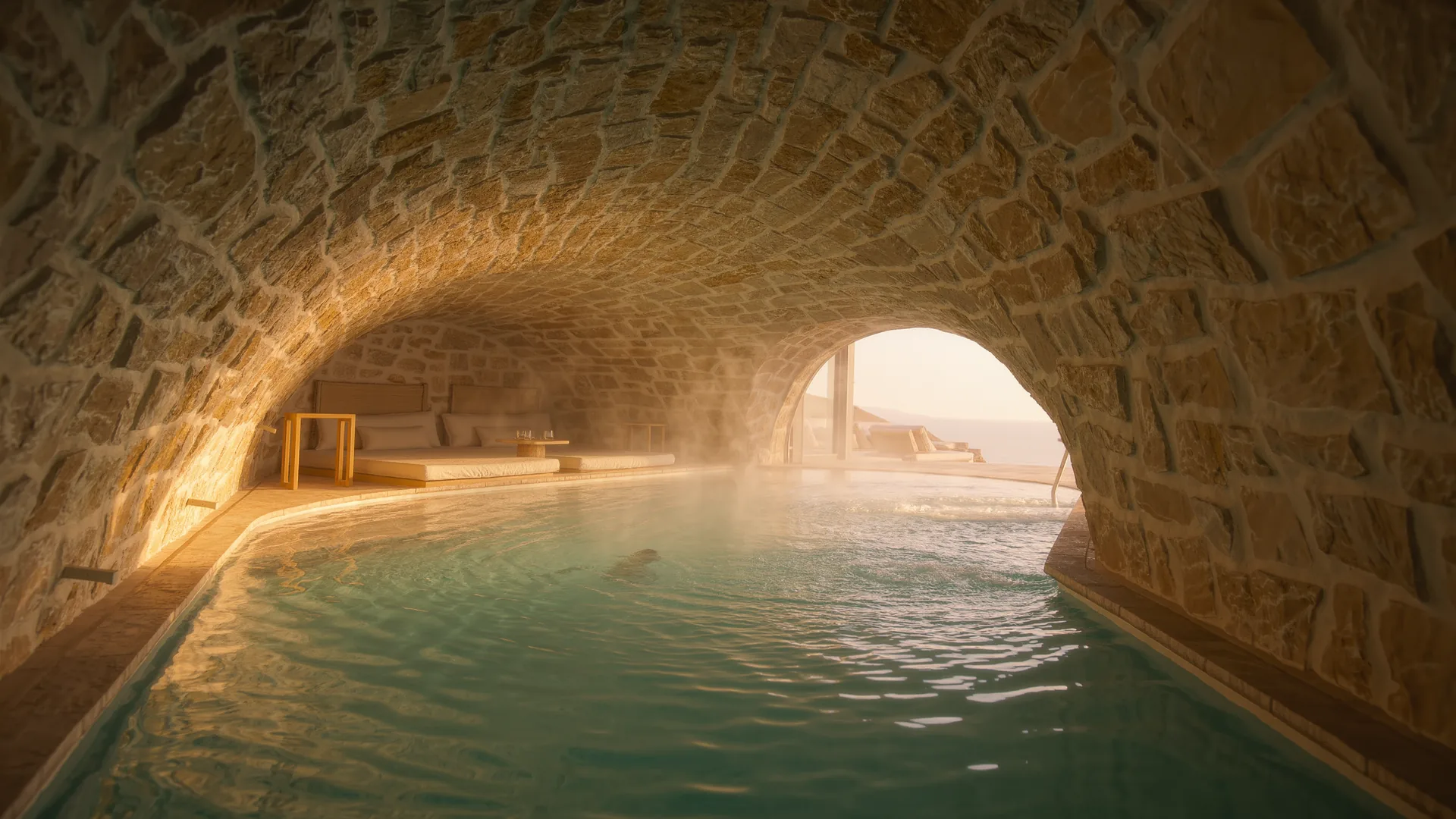
The basic spa treatments are body exfoliation, the wrap, hydrotherapy and massage, and their logical order within a single visit is to exfoliate first, wrap or hydrate second and finish with the massage.

Spanish hallmarking: what the assay mark guarantees
The assay mark certifies that an authorised laboratory has verified that the precious metal content matches the declared fineness, and it is applied alongside the fineness mark and the responsibility mark of the maker or importer.
Spanish meal times: when each kitchen opens
A Spanish restaurant kitchen serves lunch between 13:30 and 16:00 and dinner between 20:30 and 23:30, with a gap in between during which most places offer only drinks and cold dishes.
A Spanish will: why foreign owners are advised to make one
A Spanish will covering only the Spanish assets does not revoke a will made in another country, and it typically shortens the succession process by several months because no foreign document has to be translated, apostilled and interpreted by a Spanish notary.

A fine in a hire car: how it reaches you and what it costs
The hire company is legally obliged to identify the driver to the authorities and charges an administration fee of thirty to sixty euros for doing so, which is added to the fine itself and debited to the card on the contract.
Squatting in Spain: what the law actually says
Spanish law distinguishes between breaking into an occupied dwelling, which is treated as an offence permitting immediate police action, and occupying an empty property, which normally requires a civil or criminal court process to recover possession.
Stringing: tension and how often to restring
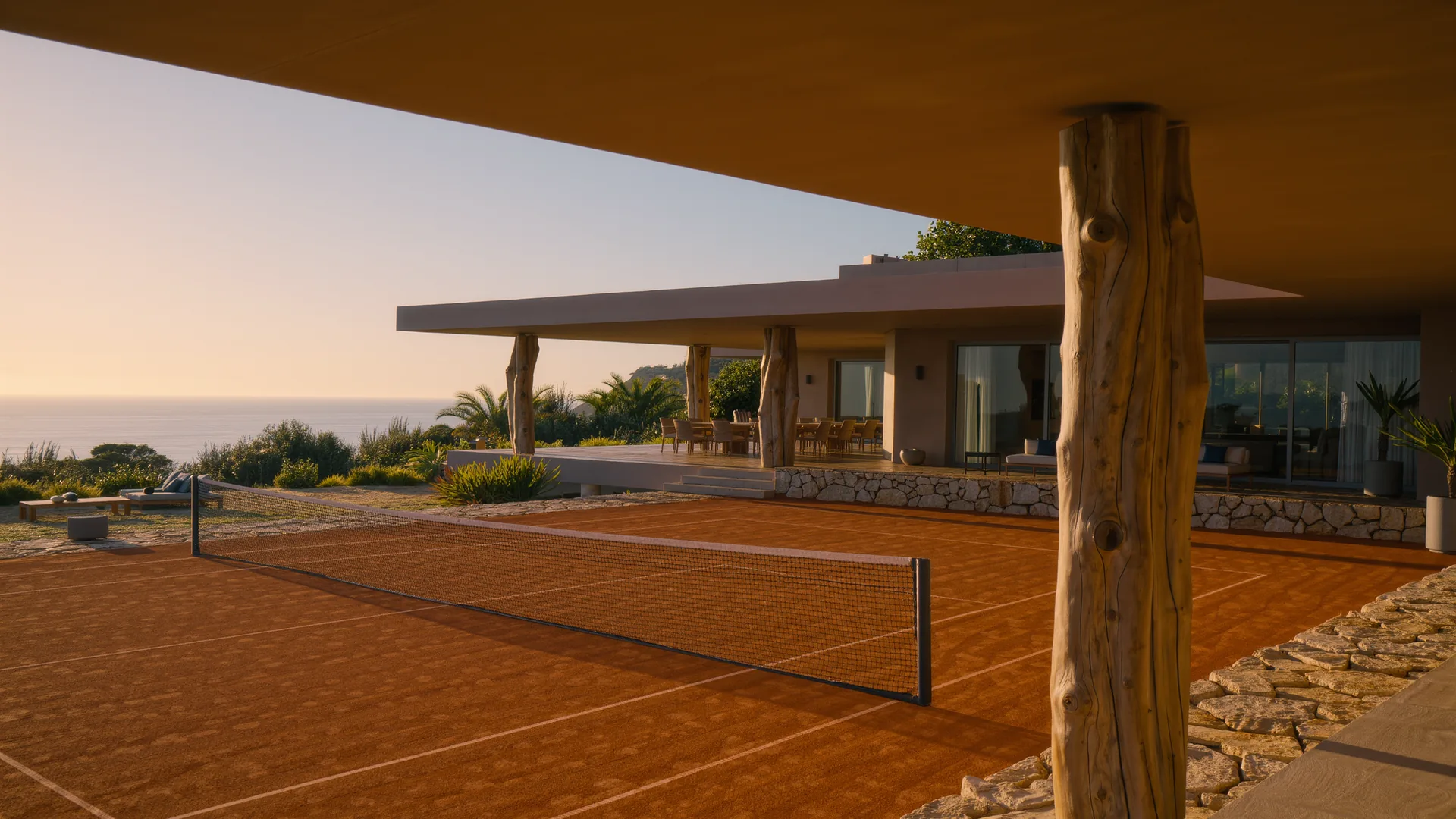
The usual reference is to restring as many times a year as you play days per week, and tension governs the balance between control and power, with higher tension giving control and lower tension giving power and comfort.
Sun protection in the Mediterranean: what to use
For a Mediterranean summer, factor 50 is recommended on the face and exposed areas, applied in sufficient quantity thirty minutes before exposure and renewed every two hours and always after swimming.
Switching insurer in Spain: the notice period
A policyholder in Spain may oppose the renewal of a policy by giving notice at least one month before the expiry date, while the insurer must give two months' notice if it is the party declining to renew.
Tap water in restaurants: what the rule says
Spanish waste legislation requires hospitality and restaurant establishments to offer customers the possibility of consuming unpackaged water free of charge, as a complement to their own offer.

Teak or aluminium for outdoor furniture
Teak brings warmth and lasts decades with simple annual maintenance, while treated aluminium needs almost no care, weighs half as much and does not corrode in salt air, so the choice rests more on the maintenance you will accept than on durability.
Teeth whitening: results, limits and cost
Professional whitening lightens teeth by four to eight shades depending on the starting point and the result lasts one to three years, while over the counter products are limited by regulation to a concentration far below clinical use.
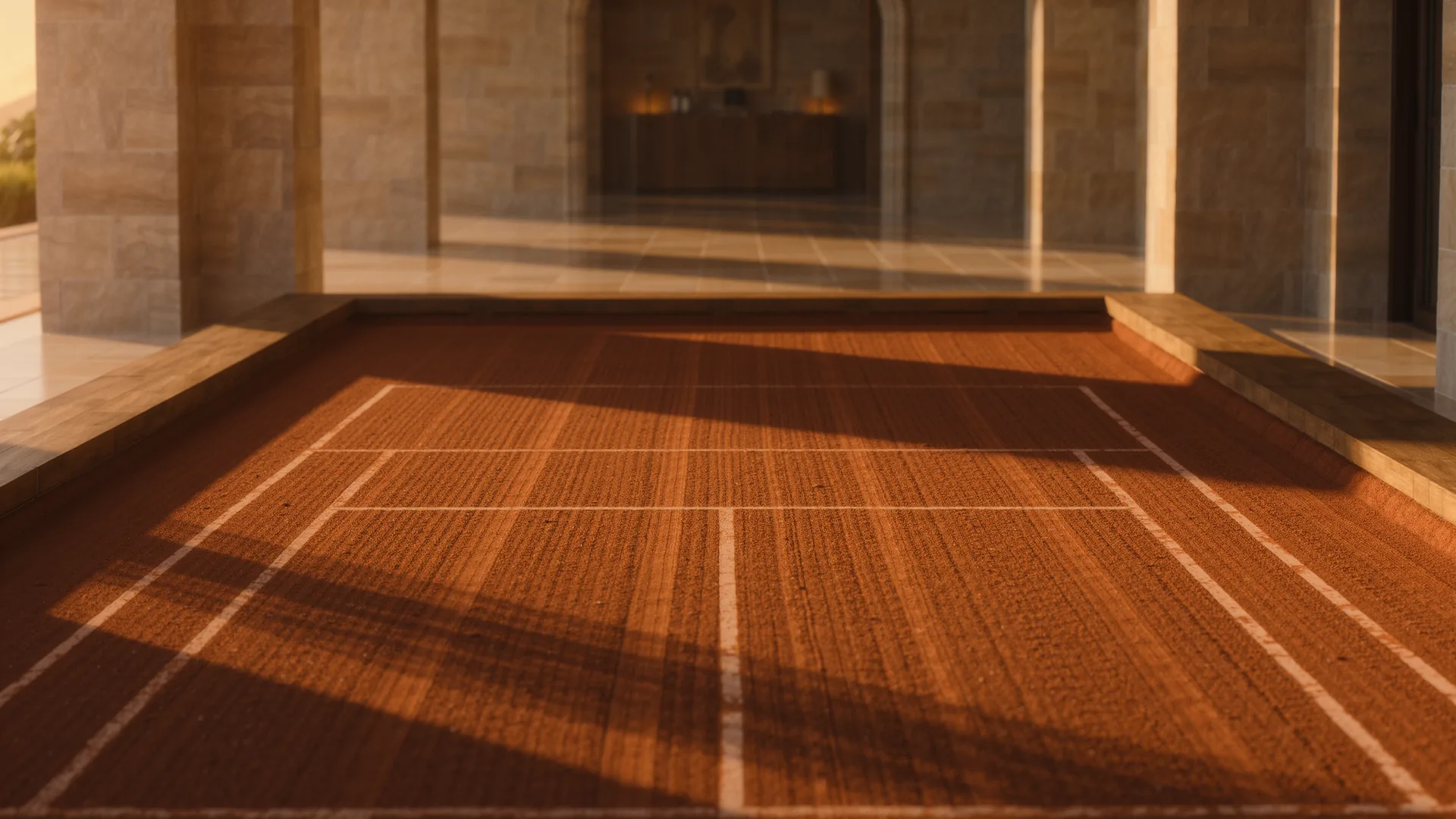
Clay courts: upkeep and why the game changes
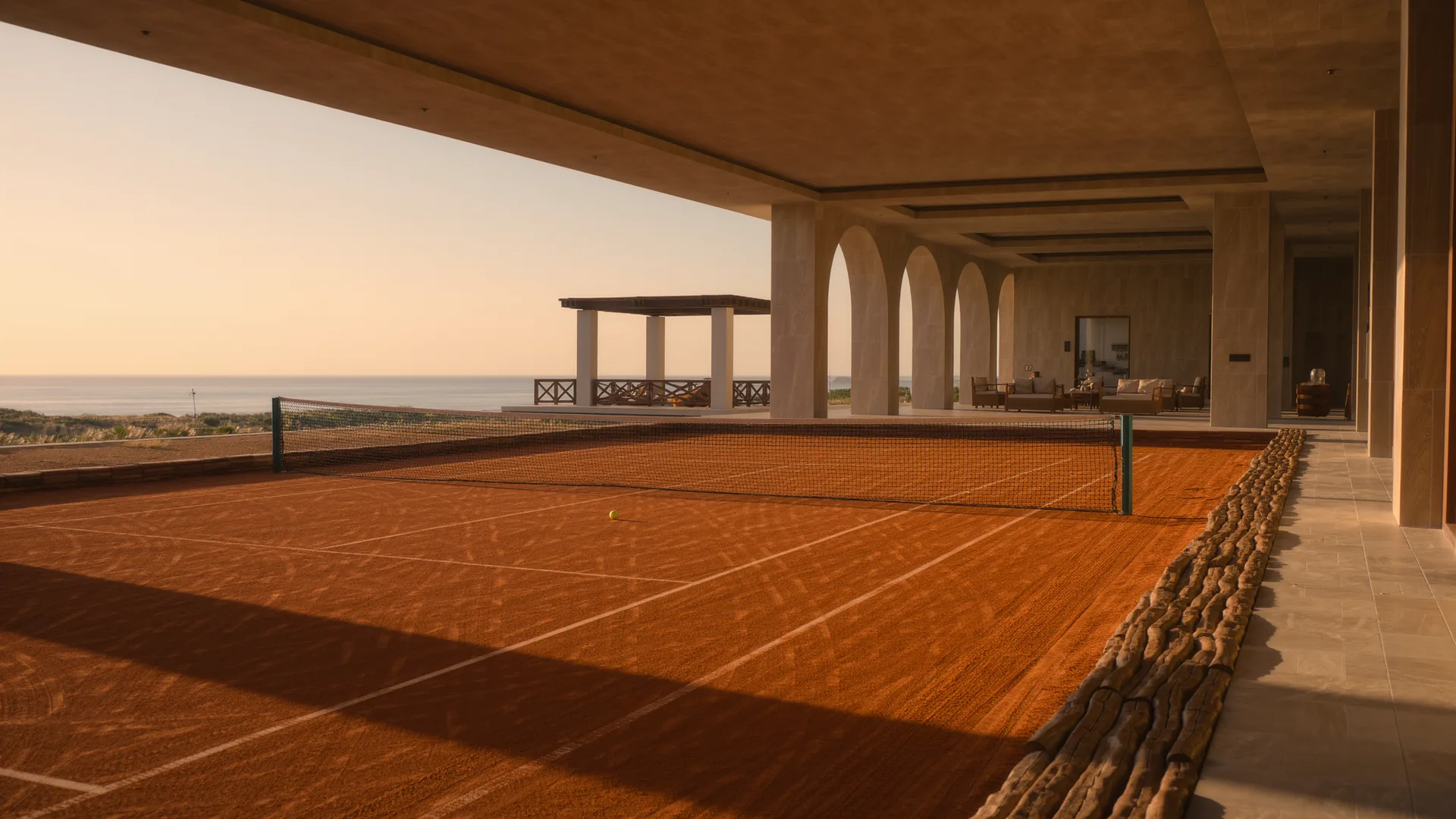
A clay court requires daily watering and brushing and a periodic top up of material, and its behaviour produces a higher and slower bounce than hard courts, which lengthens rallies and reduces joint impact.
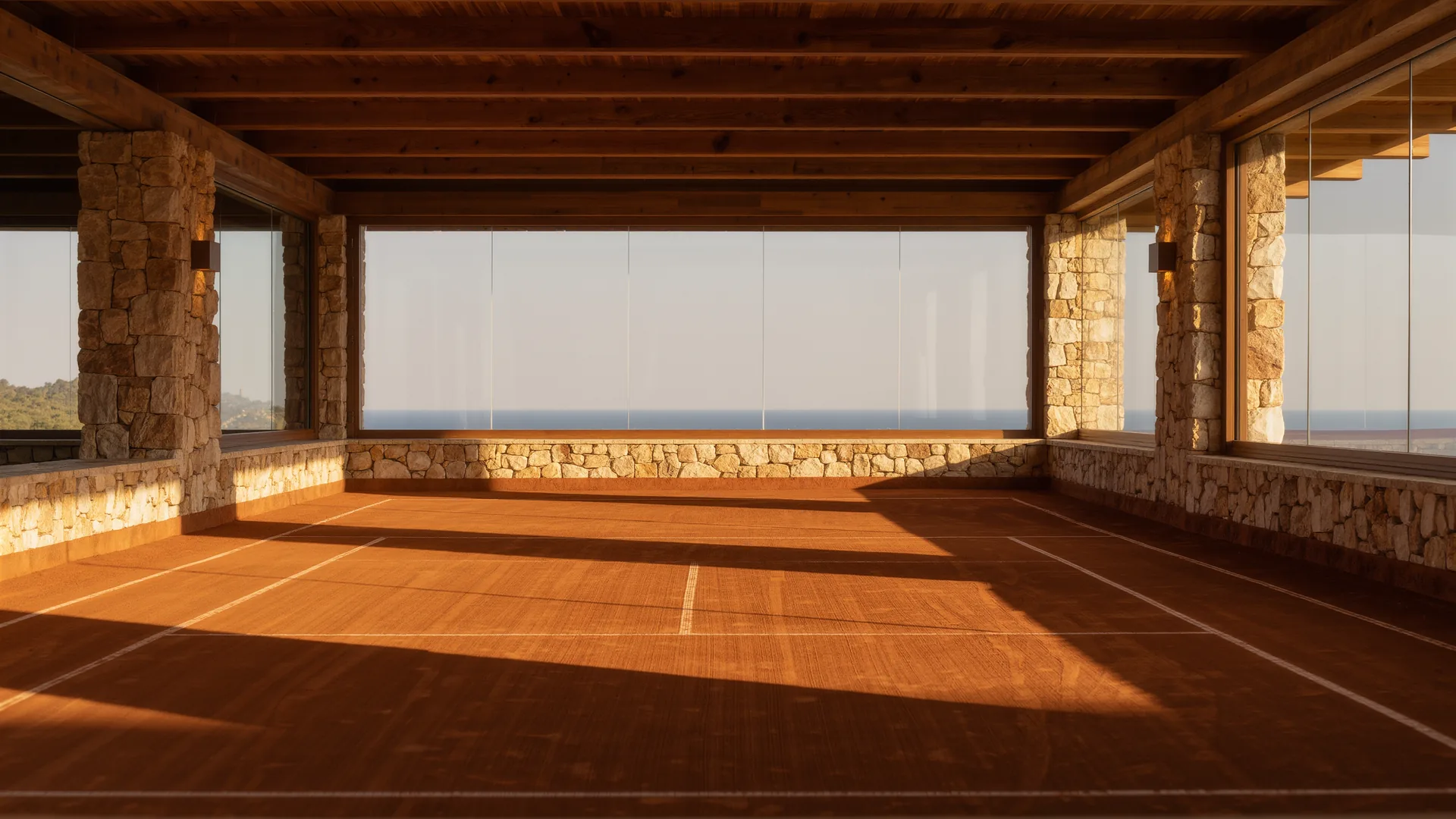
Tennis club membership: what it covers
Club membership pays for itself from about four or five hours of court time a month, since the monthly subscription usually runs thirty to eighty euros and includes priority booking and reduced or free court rates.
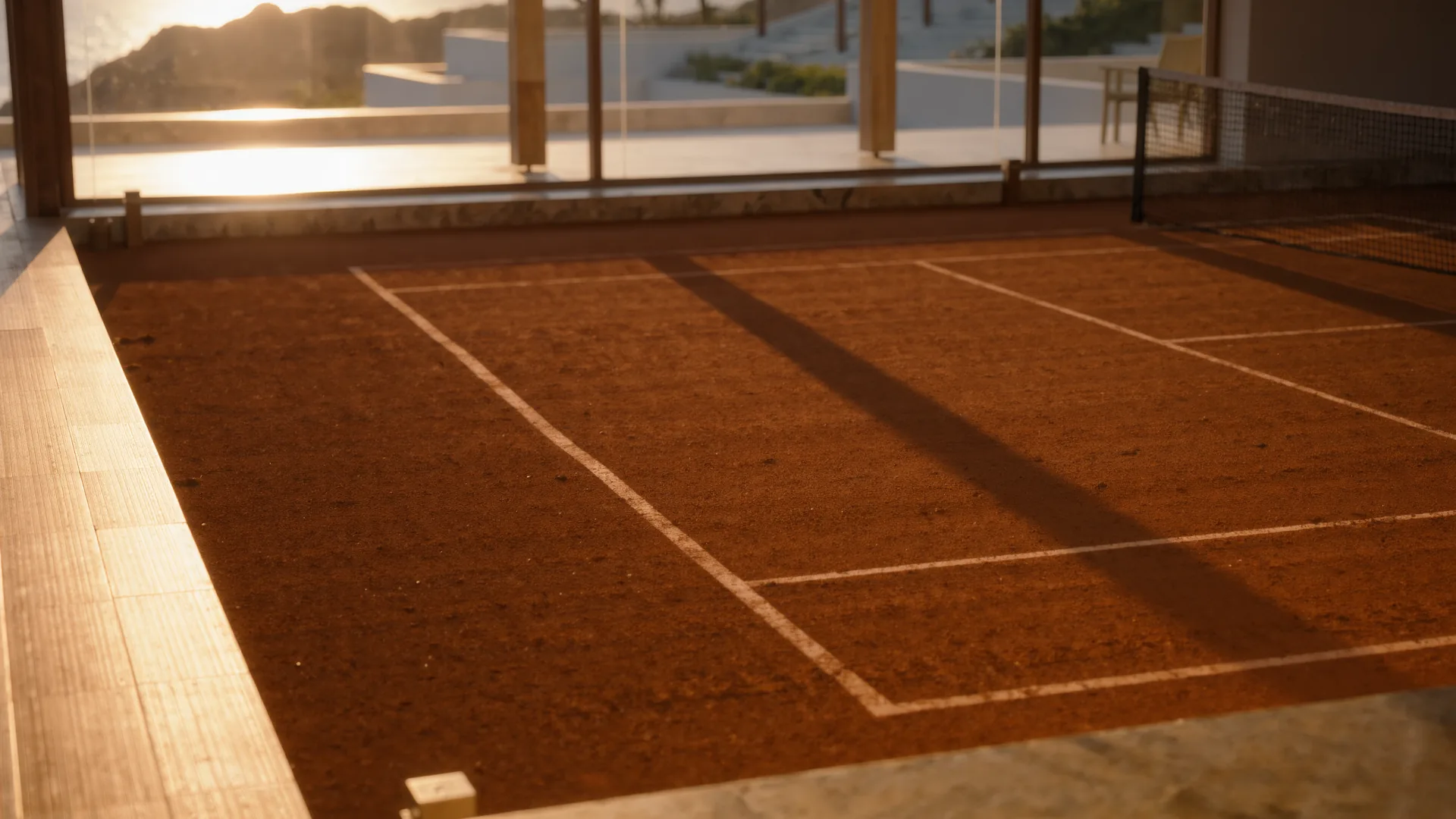
Tennis lessons in Mallorca: prices and frequency
An individual tennis lesson costs thirty to sixty euros an hour and a group of four costs ten to twenty per person, with the frequency that produces sustained improvement in an adult being one lesson a week plus one session of free play.
Choosing a tennis racket: weight, balance and grip
Weight and balance determine how manoeuvrable and powerful a racket is, and the grip must allow a finger to fit between the fingertips and the palm when held, because the wrong size forces over gripping and causes elbow problems.
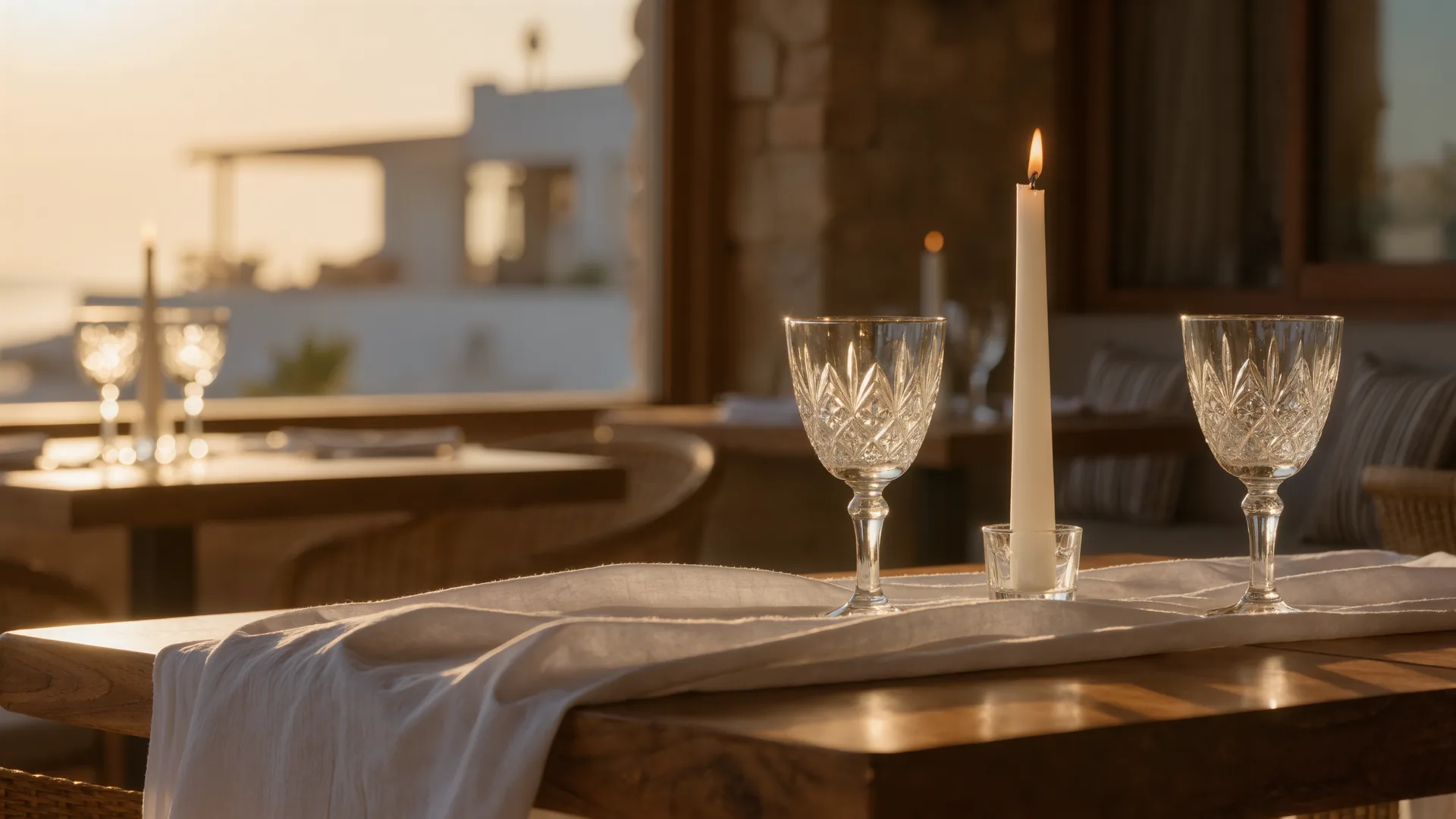
Can a restaurant charge more on the terrace
An establishment may apply different prices at the bar, in the dining room and on the terrace, provided the difference is displayed visibly and accessibly before the customer sits down and orders.
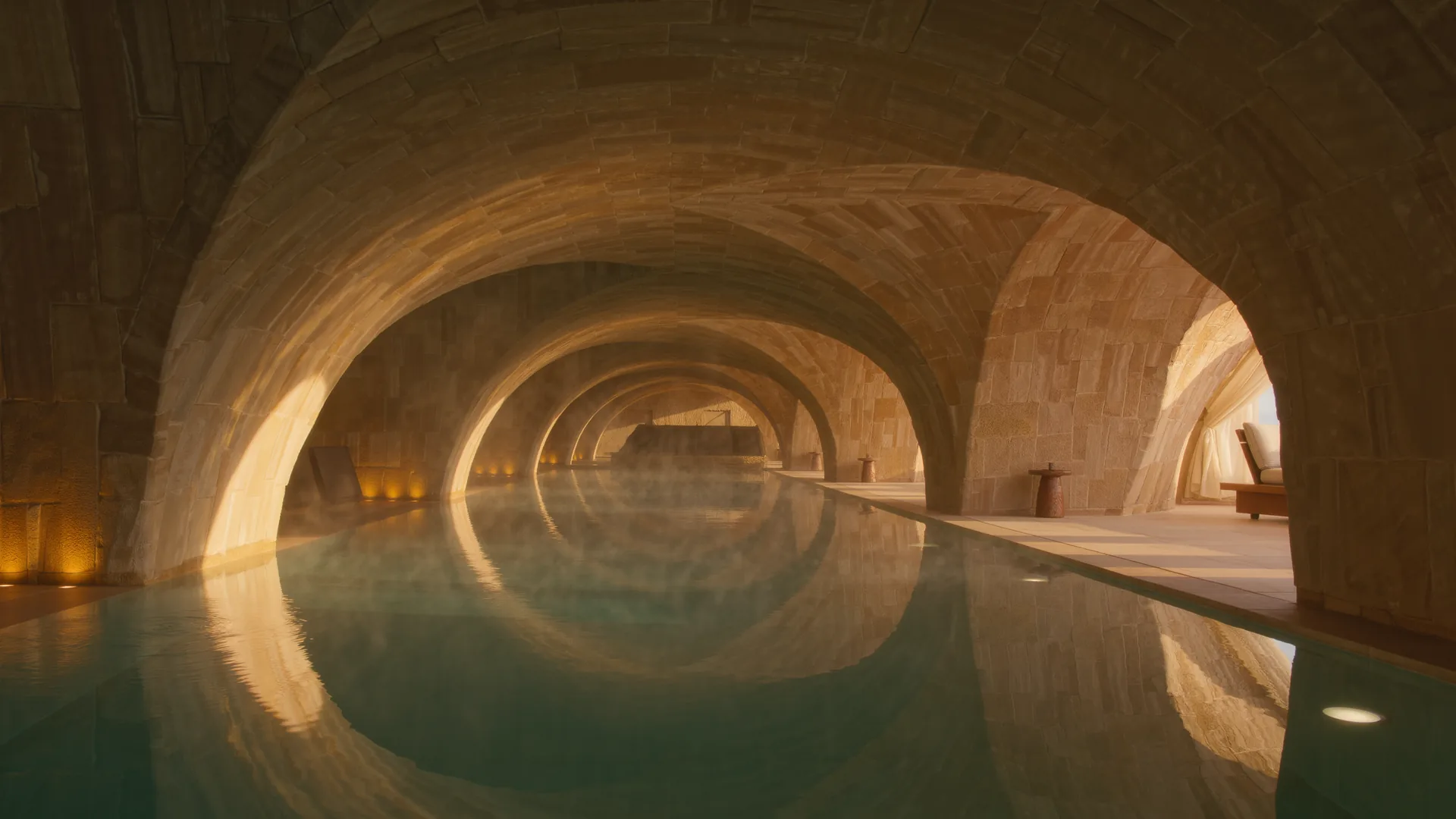
Thermal circuit: who should avoid it and why
A thermal circuit is not advised with uncontrolled cardiovascular disease, marked low blood pressure, fever or acute infection, open wounds, or during pregnancy unless medically advised, because of the effect of heat and contrasts on the circulation.
Tipping in Spain: what is customary
Tipping in Spain is entirely voluntary and considerably more modest than in many countries, with rounding up or five to ten per cent in a restaurant regarded as generous rather than expected.

Tolls and fuel in Spain: what a road trip costs
There are no toll motorways in Mallorca, so a road trip on the island costs only fuel, while on the mainland tolls still apply on certain concessions and are charged by distance and vehicle class.
The tourist letting licence in Mallorca
A tourist letting licence in Mallorca is tied to a capped pool of places allocated by zone and by property type, which means the decisive question is not whether the property meets the standards but whether places are available for that property at all.
Transfer tax in the Balearics: the bands that apply
A resale property in the Balearics is subject to transfer tax charged on a progressive scale, so each slice of the price is taxed at its own rate, while a new build from a developer carries VAT plus stamp duty instead.
Travel insurance: when it actually matters
Inside the European Union a European health insurance card covers necessary state treatment, but it does not cover private treatment, repatriation or cancellation, which is why travel insurance matters most outside the EU and on any trip with non refundable bookings.
Travel vaccinations: where to get them in the Balearics
Travel vaccinations are administered at authorised international vaccination centres, and appointments should be made four to six weeks before departure because several schedules require more than one dose spaced weeks apart.
Unpaid community fees: what the community can do
A community of owners can recover unpaid fees through a special summary court procedure, and the debt attaches to the property itself for the current year and the three preceding calendar years, so a purchaser can be pursued for a previous owner's arrears.

Hiring a van: which licence you need
A category B licence permits vehicles up to three thousand five hundred kilograms of maximum authorised mass and up to nine seats including the driver, which covers almost every van offered for private hire.
Servicing a mechanical watch: how often and what it costs
A mechanical watch needs a full service every five to seven years, costing between three hundred and fifty and nine hundred euros depending on the calibre, and neither the legal nor the commercial guarantee covers that maintenance.
Water resistance in metres: what each figure allows
The metre figure on a watch states the static pressure it withstood in a laboratory test, not a swimming depth, so a thirty metre rating tolerates splashes only while one hundred metres permits swimming at the surface.
Is a water softener worth it in Mallorca
A water softener pays for itself above about thirty French degrees of hardness, recovering its cost over five to eight years through savings in energy, detergent and appliance replacement.
Wealth tax in Spain: the thresholds that apply
Non-residents pay Spanish wealth tax only on assets located in Spain, with a general state allowance of 700,000 € per person and a valuation for property taken as the highest of the cadastral value, the acquisition value and the value assessed by the administration.
Well water: testing and potability
Well water is not potable simply because it comes from underground, and to use it for human consumption it must be tested by an accredited laboratory covering microbiological parameters, nitrates, conductivity and metals, with periodic repetition.
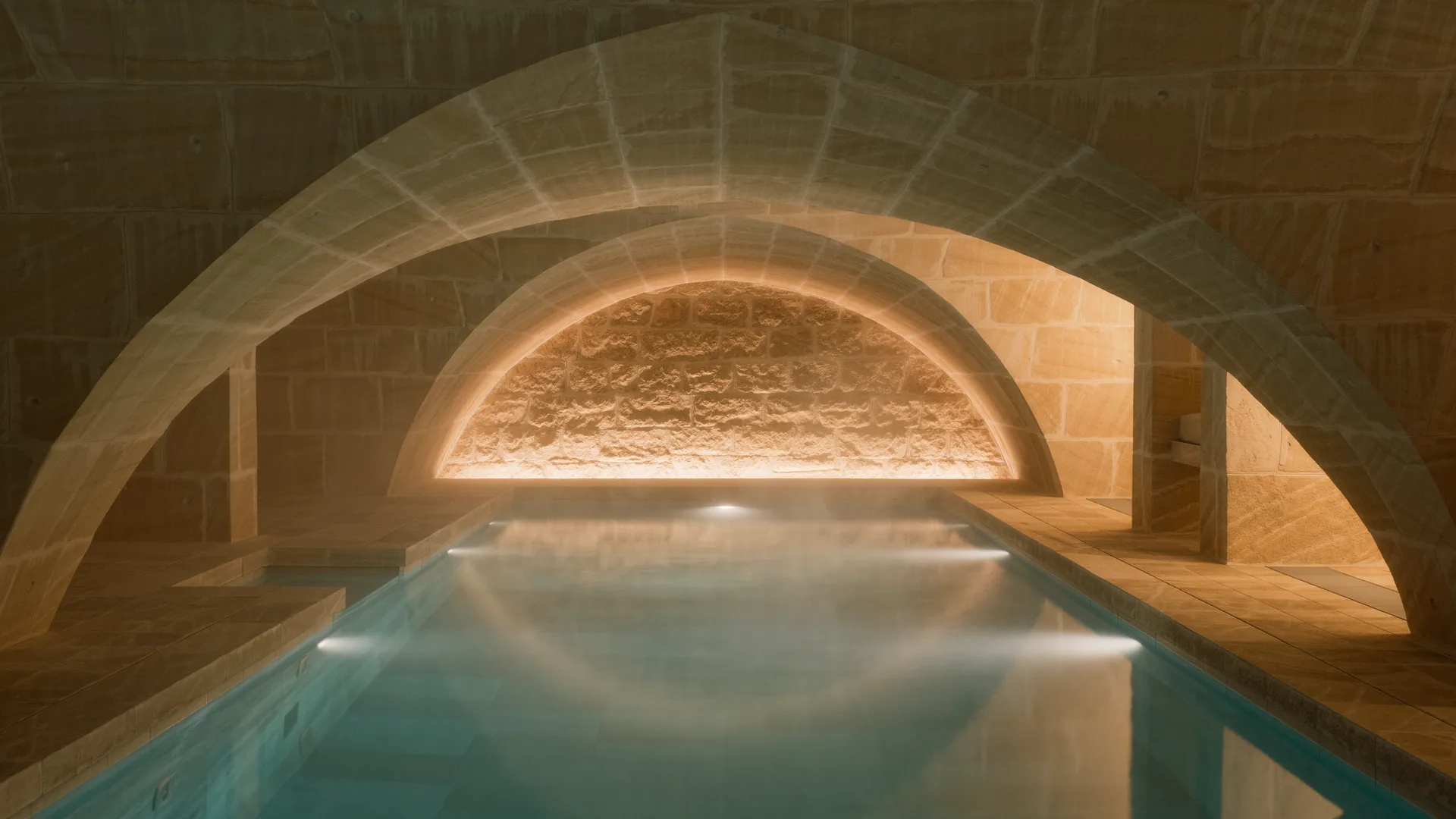
Wellness hotels: what is included and what is extra
In a hotel with wellness facilities the water circuit is normally included in the stay, while individual treatments, massages and certain areas are charged separately and should be booked in advance.
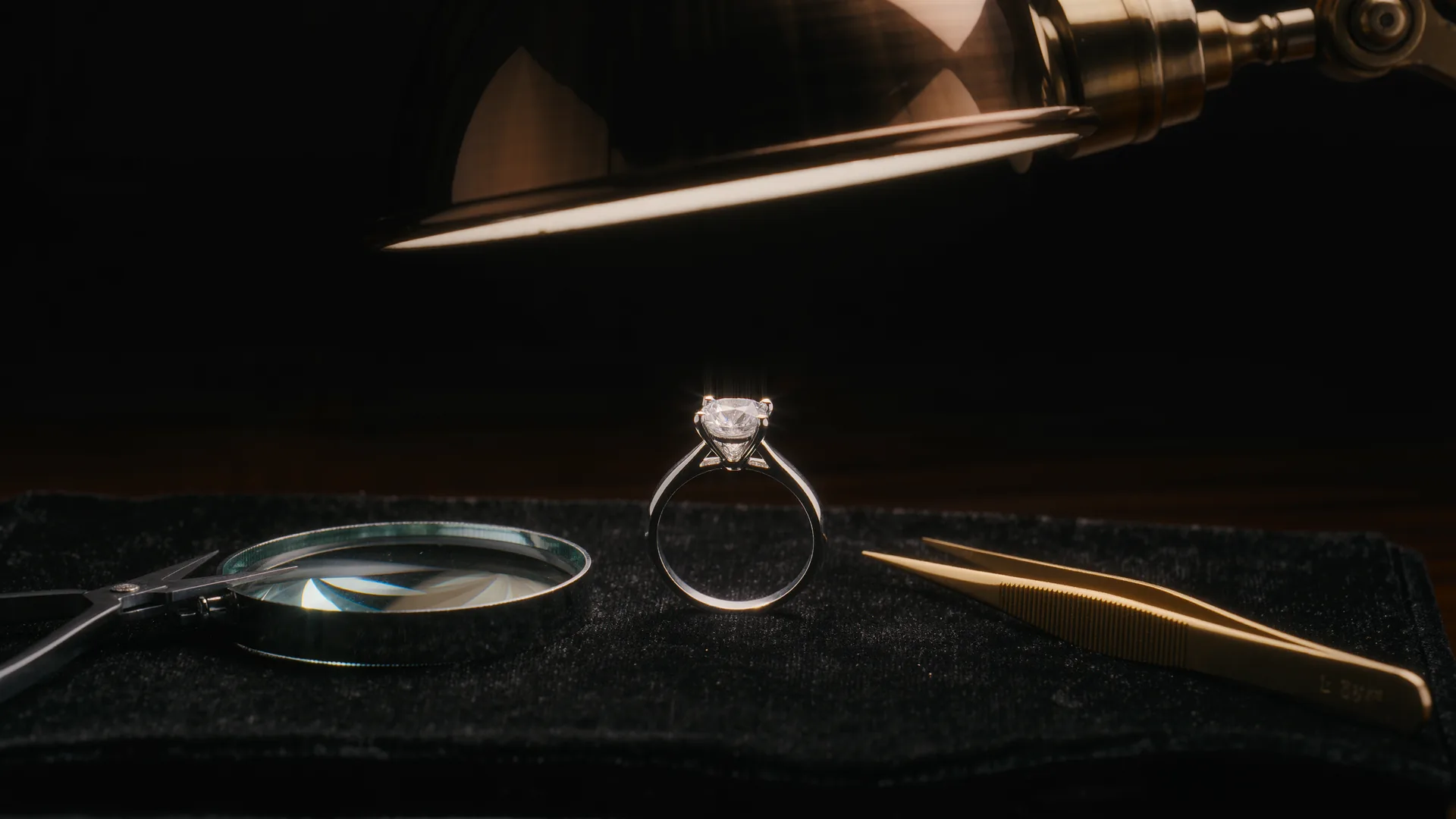
White gold and rhodium: how often it needs redoing
The rhodium plating on a white gold piece lasts between one and three years depending on wear, and replating costs between thirty and seventy euros for a simple ring.
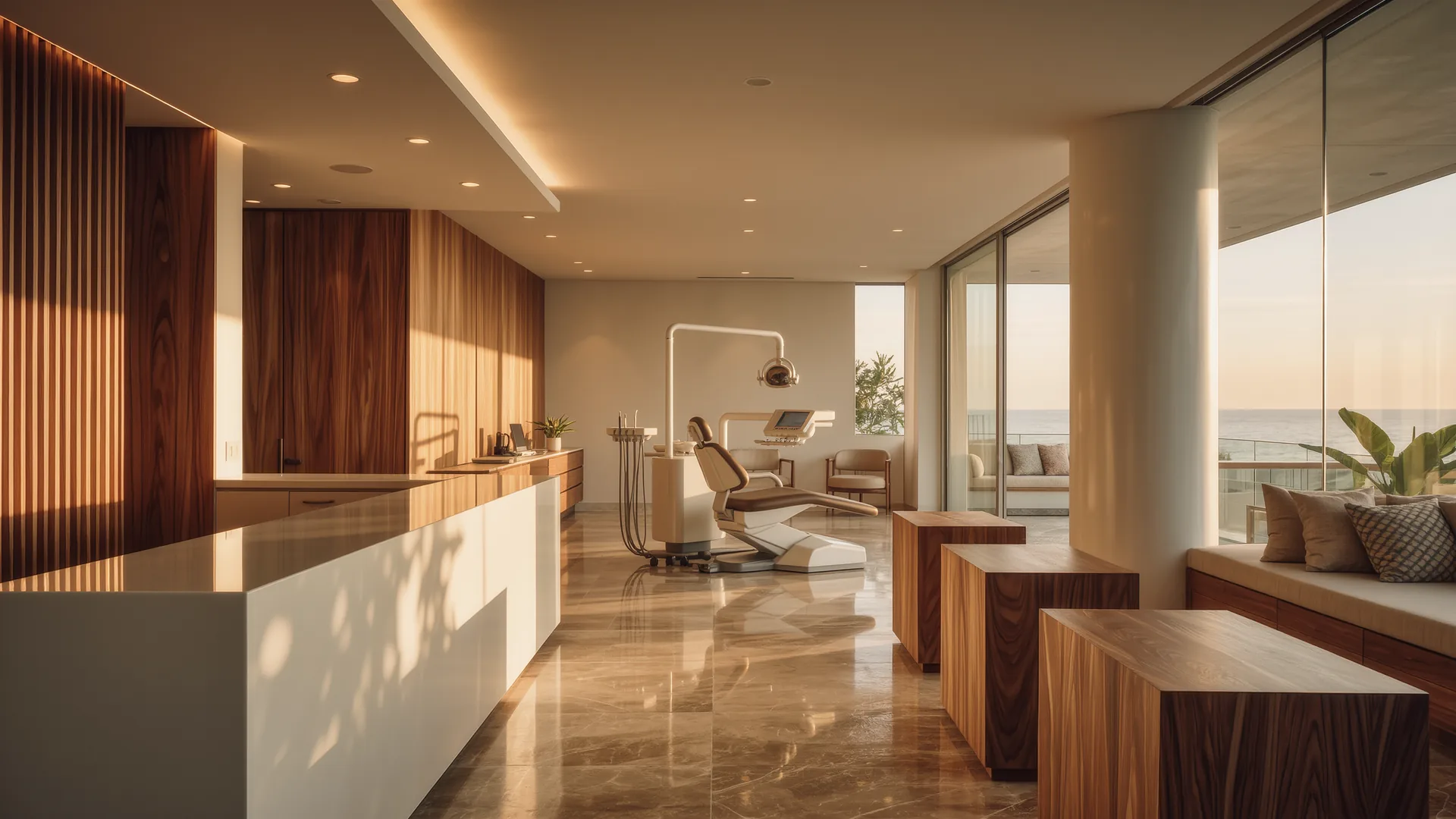
Wisdom teeth: when removal is actually needed
Removal is indicated where a wisdom tooth causes repeated infection, unrestorable decay, damage to the neighbouring tooth or cyst formation, and is not justified preventively on a well positioned tooth that gives no symptoms.

Yacht broker commission: how much and why
A yacht broker's commission usually runs between five and ten per cent of the sale price, is paid by the seller unless otherwise agreed, and covers valuation, marketing, viewings, negotiation and coordination of the transfer documentation.
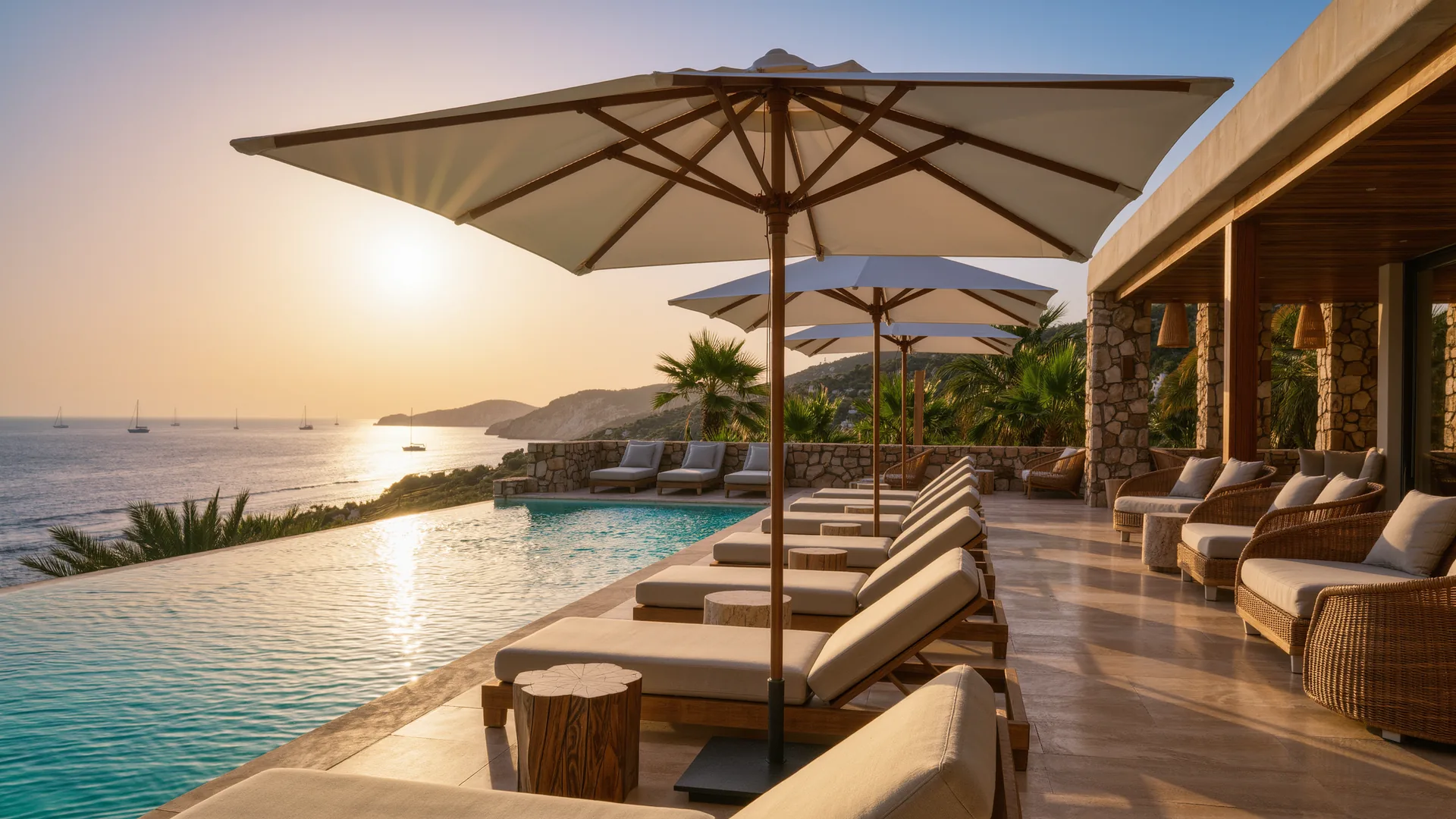
The Balearic tourist tax: who pays and how much
The Balearic tourist tax is charged per person per night according to the type of accommodation, and since 2026 nothing is charged in January and February, while rates rise sharply in June, July and August.
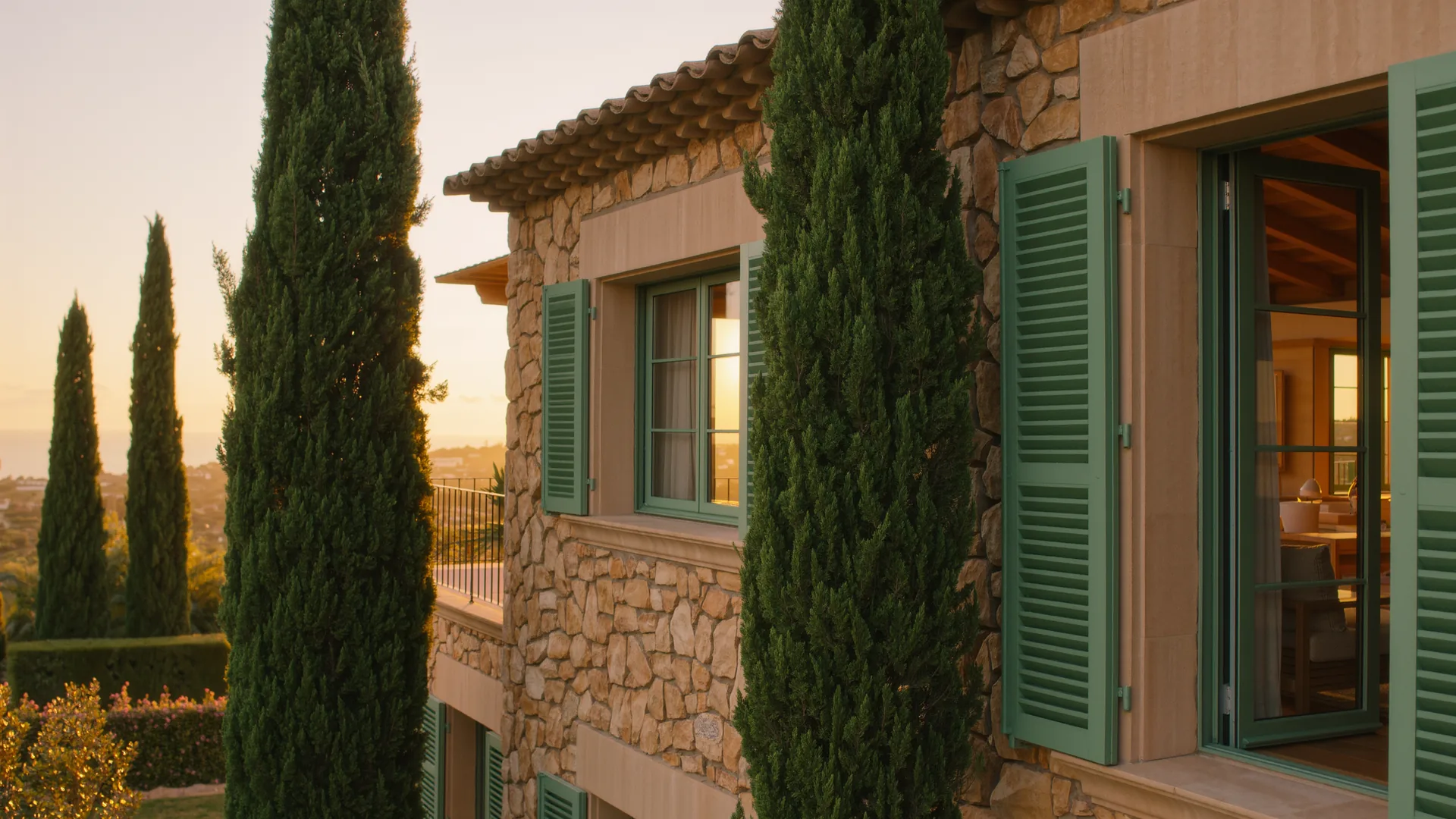
Buying property in Mallorca: the costs beyond the price
Budget 10 to 13 per cent on top of the purchase price for tax, notary, land registry and administration, with the transfer tax alone running from 8 to 13 per cent on a resale property in the Balearics.

Car hire in Mallorca: the excess explained
Standard hire in Mallorca comes with an excess of roughly 900 to 1,800 euros, which the desk will offer to remove for 15 to 35 euros a day, while an independent excess policy bought beforehand costs about 40 to 80 euros for a year.
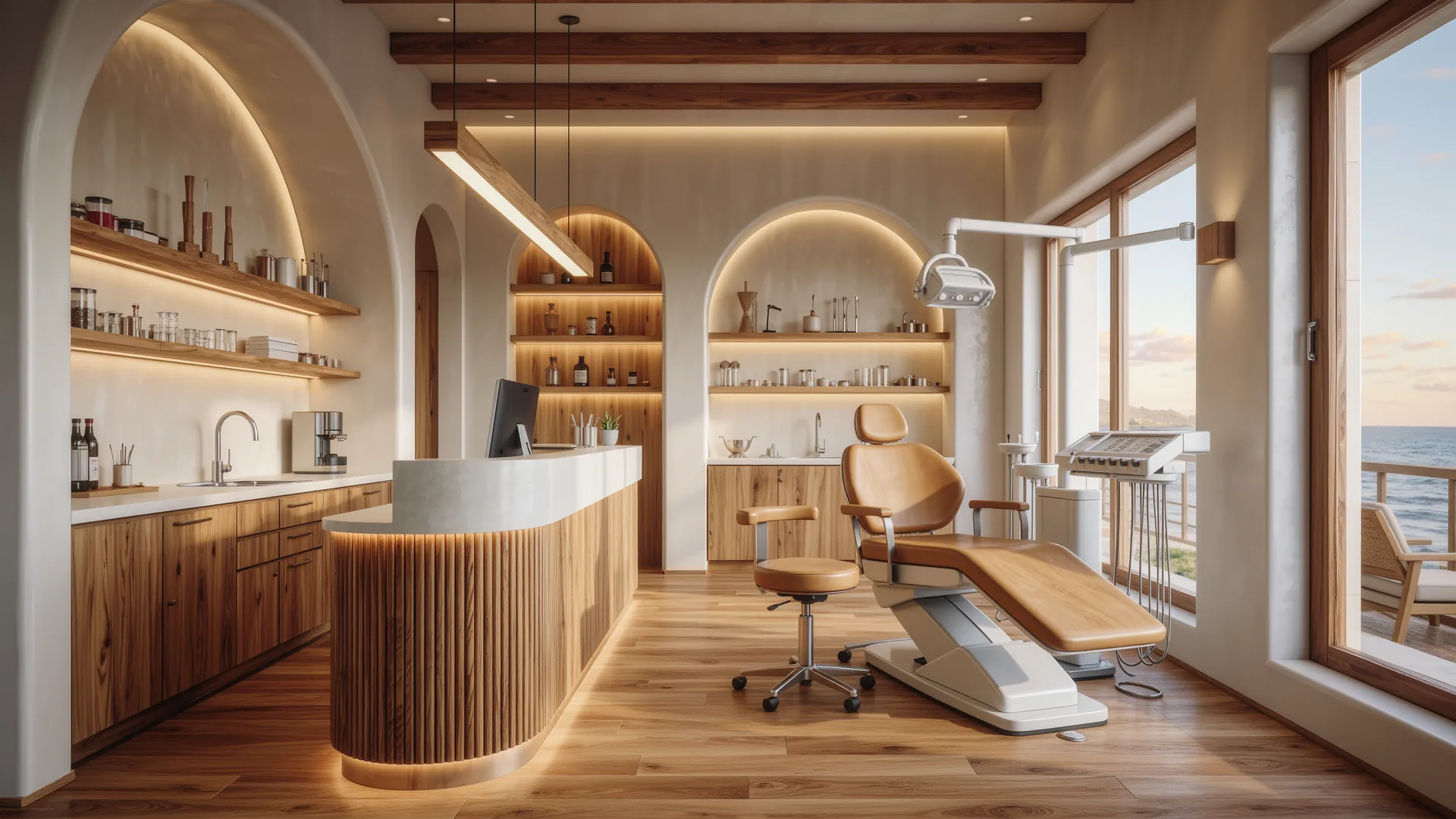
Dental implants in Spain: the real price
A single tooth implant with abutment and crown costs roughly 1,100 to 2,200 euros in Mallorca, and the full treatment takes three to six months because the implant has to fuse with the bone before the crown goes on.